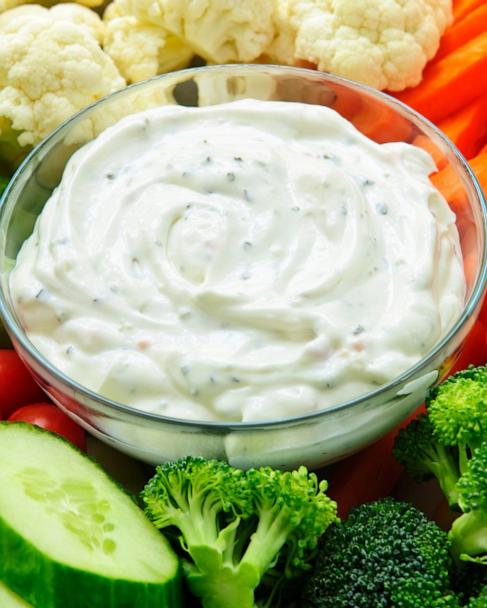
The Great American Pour: How World Cup Fans' Ranch Obsession Triggered a Global Smuggling Crisis
NEW YORK — International soccer fans flocking to the United States for the FIFA World Cup are rewriting the playbook on tournament travel. While previous global competitions were defined by fans carting home local craft beers, football memorabilia, or regional jerseys, the 2026 tournament has unleashed an entirely unexpected consumer phenomenon: an unquenchable, border-crossing obsession with American ranch dressing.
From European ultras to South American tech executives and Asian media crews, visitors are discovering the herbaceous, buttermilk-based condiment for the first time—and the cultural collision has sparked an international phenomenon. What started as casual dipping at stadium tailgate parties has quickly escalated into a logistical puzzle, with tourists attempting elaborate, suitcase-stuffed operations to smuggle gallons of the creamy white dip back across international borders.
The culinary craze highlights how deeply American comfort foods can captivate global palates, transforming a humble Midwestern salad dressing into the most coveted souvenir of the summer.
The Anatomy of an Obsession: Why Ranch Conquered the World Cup
For decades, ranch dressing remained a distinctly North American staple, largely overlooked or misunderstood in culinary powerhouses across Europe and Asia. However, the intersection of massive stadium catering, high-energy American sports culture, and viral social media moments completely flipped the script during the opening weeks of the tournament.
Foreign visitors encountering stadium chicken tenders, loaded fries, and pizza crusts paired with ranch were instantly converted. Culinary analysts note that the dressing's unique balance of fat, acidity, garlic, and fresh herbs hits a universal sensory sweet spot that transcends cultural dining norms.
- The Stadium Effect: Tens of thousands of international tourists tasted ranch for the first time while tailgating outside high-profile matches in host cities across the U.S.
- Digital Virality: Videos of foreign fans reacting with astonishment to their first taste of ranch have generated millions of views across TikTok, Instagram, and global messaging apps.
- The Hospitality Gap: Because authentic, mass-market American ranch is notoriously difficult to replicate abroad due to ingredient variations, fans realized this was a localized luxury.
"We tried it with wings after the match in Miami, and my friends and I were completely hypnotized," said Mateo Silva, a traveling supporter visiting from Madrid. "Back home, we have great olive oil and aioli, but this is something entirely different. It’s addictive. We spent our final morning in the U.S. clearing out grocery store shelves."
Airport Security and Luggage Logistics: The Great Condiment Caper
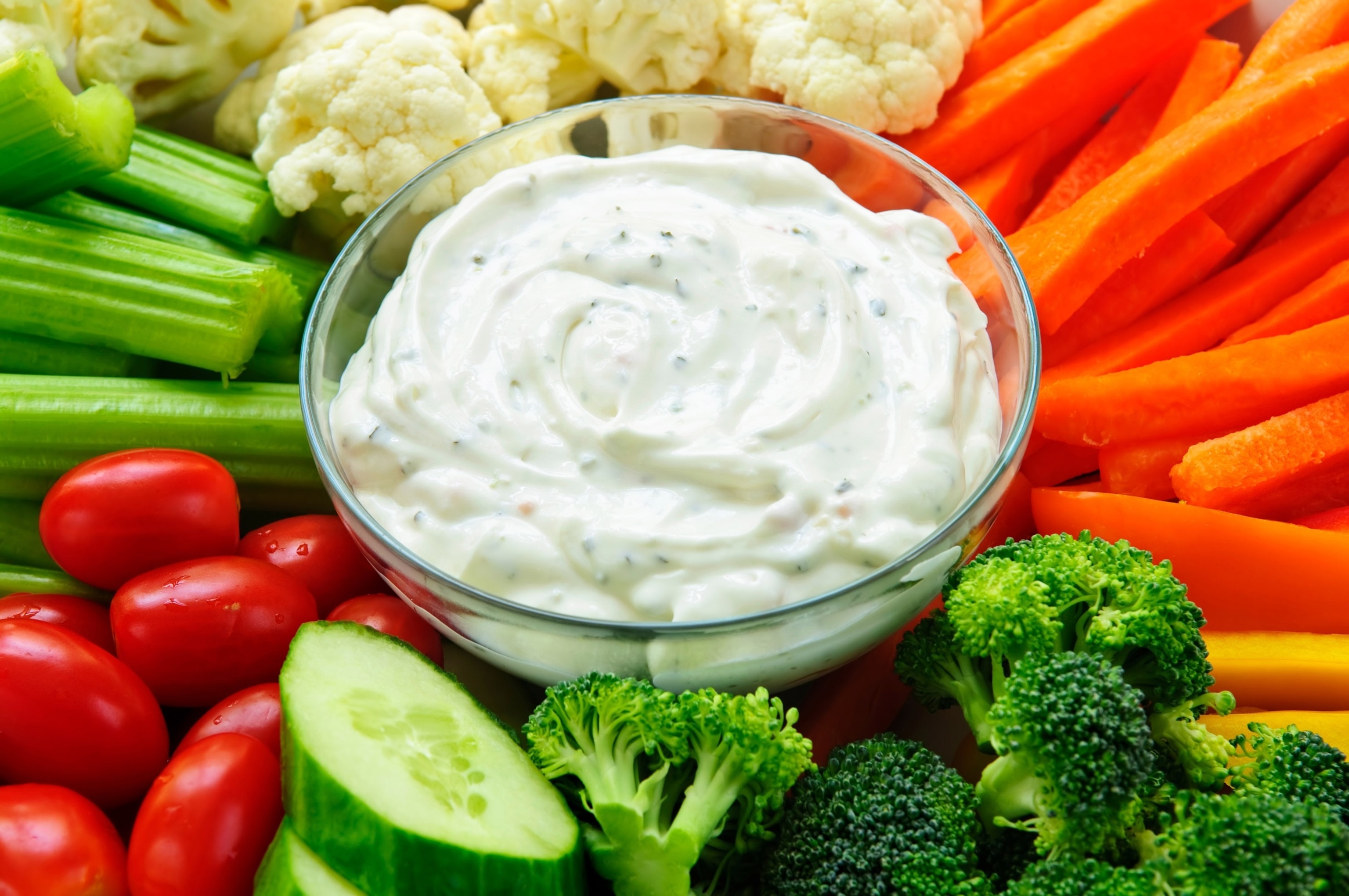
As matches progress and fans prepare to fly home, the obsession has morphed from dining-table enthusiasm into frantic logistics. Customs regulations limiting liquid carry-ons to 3.4 ounces (100 milliliters) have forced ingenious—and sometimes desperate—measures among tournament-goers determined to secure their supply.
TSA agents at major travel hubs near World Cup host cities report an unusual spike in flagged checked luggage containing heavy glass bottles, industrial-sized squeeze pouches, and vacuum-sealed packets of shelf-stable ranch. Meanwhile, online marketplaces and social media trade groups have seen a surge in requests from fans begging friends still in the U.S. to pack extra bottles.
| Metric | Estimated Data / Observation | Primary Driver |
|---|---|---|
| Top Importing Fanbases | Western Europe, South America, East Asia | Novelty and lack of domestic availability |
| Most Popular Formats | Squeeze bottles, packets, powdered mixes | Portability and compliance with luggage weight |
| TSA Liquid Flag Spikes | Up 35% in select tournament hub airports | Oversized condiment containers in carry-ons |
| Secondary Market Markup | Up to 300% on international shipping forums | Scarcity outside North America |
Some enterprising fans have bypassed liquid restrictions entirely by hunting down dry ranch seasoning packets—a lightweight, TSA-friendly alternative that allows overseas cooks to recreate the dressing at home using local buttermilk and mayonnaise.
Economic Fallout and Future Market Outlook
Food industry executives are taking close notice of the unexpected global spotlight. Major U.S. condiment manufacturers are already examining the data to determine whether this viral World Cup exposure can be leveraged into permanent international distribution pipelines.
Historically, exporting American ranch has faced hurdles due to regional preferences for vinegar- or oil-based dressings, coupled with the short shelf life of fresh dairy products. However, the massive, organic marketing boost provided by millions of passionate international sports fans could permanently alter the global condiment landscape.
For now, retailers near major Fan Fests are enjoying a windfall, stocking extra inventory to meet the sudden, heavy demand. As the tournament moves toward its dramatic conclusion, one thing is certain: long after the final whistle blows, the global palate will bear the unmistakable, creamy stamp of American ranch.
Frequently Asked Questions
Why is ranch dressing so hard to find outside the United States?
While variations of creamy garlic and herb dressings exist globally, authentic American ranch relies on specific ratios of buttermilk, salt, garlic, onion, herbs, and distinct spices. Furthermore, differing dairy regulations and local flavor preferences have historically discouraged major food brands from mass-exporting the product to international grocery markets.
What is the best way for international fans to bring ranch home legally?
Travelers can legally transport ranch in their checked luggage, provided the bottles are tightly sealed and cushioned to prevent breakage under pressure. Alternatively, purchasing dry ranch seasoning packets allows fans to easily clear airport security and mix the dressing fresh upon returning to their home countries.