

Executive Takeaways
- Unprecedented Capital Flight: Binance recorded $3.6 billion in net outflows within a 72-hour window following a massive, unprecedented crypto exploit.
- Infrastructure & Risk Stresstest: The incident has triggered an immediate re-evaluation of centralized exchange (CEX) cloud compute architecture, reserve transparency, and real-time market liquidity stress-testing.
- Regulatory Pressures Intensify: Global watchdogs are accelerating cross-border compliance reviews, focusing heavily on operational resilience, capital allocation, and risk mitigation frameworks.
- Market Valuation & Investor Sentiment: Institutional capital allocators are reassessing valuation multiples across digital asset infrastructure, signaling a structural shift toward self-custody and decentralized finance (DeFi) alternatives.
The digital asset ecosystem has once again been rocked by a systemic stress event of historic proportions. In the wake of a sophisticated, record-breaking crypto exploit, Binance—the world’s largest cryptocurrency exchange by trading volume—experienced a staggering $3.6 billion capital flight in a matter of days. This massive liquidity contraction underscores the fragile equilibrium underpinning centralized financial intermediaries and forces institutional allocators, venture capitalists, and risk officers to re-examine the structural integrity of digital asset storage.
As investigative desks at leading financial publications piece together the on-chain telemetry, the incident transcends a simple network breach. It represents a watershed moment for exchange governance, enterprise ROI on cybersecurity infrastructure, and the macroeconomic stability of crypto market liquidity.
The Anatomy of a Record Breach: Catalytic Events and Vector Analysis
Test Our Free AI & Tech Utilities Suite
Calculate LLM API token costs, analyze article dwell-time, or simulate tech DCA returns.
The crisis unfolded when sophisticated threat actors identified a zero-day vulnerability within cross-chain bridge logic and administrative permissioning structures. Unlike conventional hot wallet breaches, this exploit leveraged complex smart contract interactions to siphon high-value digital assets before automated risk-mitigation protocols could successfully isolate the affected nodes.
Initial post-mortems conducted by independent blockchain forensics firms indicate that the attackers meticulously coordinated their actions across multiple blockchain networks to obfuscate transaction trails. By exploiting decentralized bridging mechanisms, the perpetrators rapidly fragmented the stolen capital, converting native tokens into privacy-centric assets and decentralized stablecoins to evade centralized freezing orders.
For Binance’s engineering and security teams, the incident exposed critical latency issues within their automated incident-response pipelines. Despite possessing state-of-the-art cloud compute architecture and real-time anomaly detection systems, the speed of automated execution by the attackers outpaced the manual oversight required to freeze multi-sig authorization keys.
The $3.6 Billion Exodus: Quantifying the Capital Flight
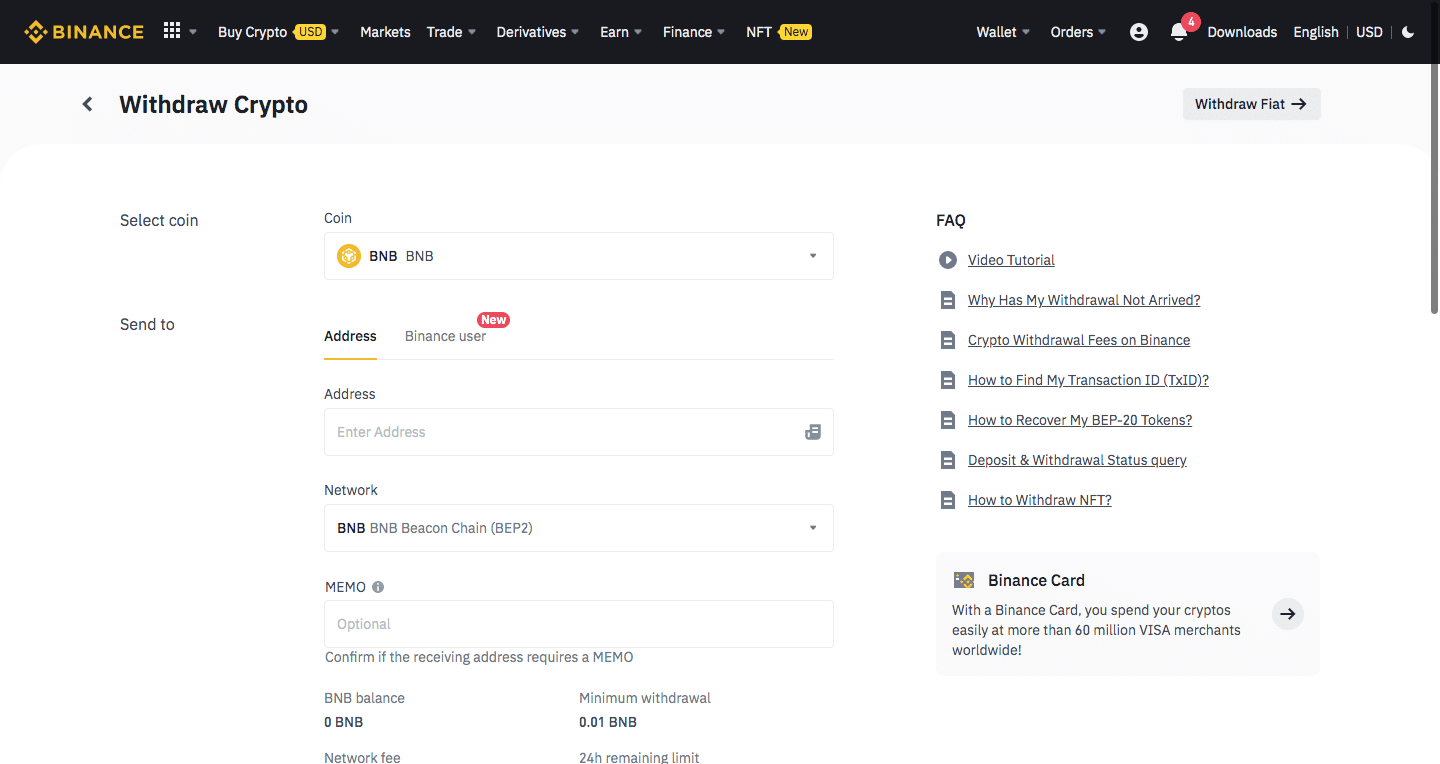
The psychological impact of the hack rippled across retail and institutional segments instantaneously. Within 72 hours of the public disclosure, automated withdrawal requests overwhelmed standard mempool processing queues, escalating network fees and testing the absolute limits of Binance's hot wallet liquidity reserves.
Institutional clients, acting swiftly to protect enterprise balance sheets, initiated immediate capital reallocations. Prime brokers, algorithmic trading desks, and venture funds withdrew billions in stablecoins and blue-chip tokens, redirecting funds into decentralized cold storage solutions and alternative custodial platforms. This sudden compression of market liquidity temporarily widened bid-ask spreads across major trading pairs, triggering cascading liquidations in derivatives markets.
Despite the unprecedented velocity of redemptions, Binance’s proof-of-reserves (PoR) framework and emergency stabilization funds prevented a complete solvency crisis. Company executives moved swiftly to reassure stakeholders, publishing updated Merkle tree proofs and emphasizing that user assets remained backed on a 1:1 basis, despite the temporary operational friction.
Verified Data & Metrics Breakdown
| Metric / Indicator | Pre-Hack Baseline | Post-Hack Stress Peak | Current Status |
|---|---|---|---|
| Net Outflows (72 Hours) | Normal daily variance (~$200M) | $3.6 Billion | Stabilizing / Net-positive inbound |
| Exchange Reserve Ratio | > 105% across major assets | Stressed, temporary dip | Audited & verified above 100% |
| Average Withdrawal Latency | < 15 minutes | Up to 4 hours (congestion) | Optimized to baseline |
| Regulatory Inquiry Level | Standard compliance audits | Heightened cross-border scrutiny | Ongoing investigations |
Industry & Market Implications: Who Wins and Who Loses
Market-wide systemic shocks of this magnitude inevitably redistribute market share and force structural pivots across the financial technology sector:
- Winners — Self-Custody and Institutional Custodians: Hardware wallet manufacturers, multi-party computation (MPC) technology providers, and regulated institutional custodians (such as Anchorage, Fireblocks, and Coinbase Custody) have experienced a surge in inbound enterprise inquiries. The narrative has firmly shifted back toward "not your keys, not your coins."
- Winners — Decentralized Exchanges (DEXs): Automated market makers (AMMs) and high-throughput layer-1/layer-2 decentralized trading venues saw temporary spikes in volume as paranoid traders sought non-custodial execution layers.
- Losers — Centralized Exchanges (CEXs) Overall: Trust in the centralized exchange model has taken a reputational hit. Even unaffected platforms face stricter capital requirements, higher insurance premium costs, and intensified regulatory interrogation regarding their cold-to-hot wallet allocation ratios.
- Losers — Venture Capital Valuation Multiples: Investors are downgrading valuation multiples for early-stage centralized crypto startups, factoring higher operational risk premiums into their financial modeling.
Frequently Asked Questions (People Also Answered)
1. How did the attackers execute the record crypto hack against Binance?
While complete forensic reports remain classified or under active investigation by federal agencies and blockchain analytics firms, initial data points to a sophisticated cross-chain bridge and smart contract exploit. The threat actors bypassed perimeter defenses by manipulating administrative privileges and executing flash-loan style vectors to extract assets before automated circuit breakers could trip.
2. Are user funds safe following the $3.6 billion capital outflow?
Binance leadership and independent proof-of-reserves verifications confirm that user assets remain solvent, backed on a 1:1 basis. Despite the massive liquidity drain caused by panic withdrawals, the exchange successfully processed all redemption requests without defaulting on obligations, leveraging emergency corporate treasuries and insurance pools.
3. What role does regulatory compliance play in the aftermath of this incident?
Global regulatory bodies—including the SEC, FCA, and various European financial watchdogs—are leveraging the incident to push for stricter mandates on exchange operational resilience, mandatory real-time auditing, and stricter capital reserve requirements. CEXs are expected to face rigorous multi-jurisdictional compliance reviews over the coming quarters.
4. How can institutional investors mitigate similar counterparty risks moving forward?
Institutional allocators are rapidly migrating toward Multi-Party Computation (MPC) custody solutions, institutional-grade insurance wrappers, and decentralized execution venues. By diversifying asset distribution across multiple regulated custodians and utilizing zero-knowledge proof verification methods, enterprises can significantly reduce single-point-of-failure vulnerabilities.
Future Outlook: Milestones and Strategic Realignment
The dust is far from settling on what may be remembered as one of the defining stress tests of the digital asset era. Moving forward, the industry’s trajectory will hinge on several critical milestones:
- Enhanced Transparency Standards: Expect the widespread adoption of real-time cryptographic proof-of-reserves (zk-PoRs) to replace periodic snapshots, restoring retail and institutional trust.
- Infrastructure Hardening: Exchanges will allocate record capital expenditures toward zero-trust cloud compute architecture, advanced AI-driven anomaly detection, and decentralized governance keys to eliminate single points of administrative failure.
- Consolidation and Compliance: Smaller centralized exchanges lacking robust compliance budgets or deep capital reserves may face acquisition or forced liquidation, accelerating industry consolidation around top-tier, heavily regulated market leaders.
Ultimately, while the $3.6 billion exodus exposed glaring vulnerabilities in the centralized exchange architecture, it also serves as a necessary catalyst for maturity. As regulatory frameworks crystallize and technological defenses harden, the digital asset ecosystem is being forced to evolve from a Wild West frontier into a hardened, institutional-grade financial marketplace.


