The Ultimate Trillion-Dollar Synergy: Is a Tesla-SpaceX Merger Brewing Behind Closed Doors?
NEW YORK/AUSTIN — Wall Street is buzzing with a proposition that could forever alter the landscape of global capital, technology, and transportation. Rumors of a potential mega-merger between Elon Musk’s electric vehicle titan, Tesla, Inc. (NASDAQ: TSLA), and private aerospace pioneer Space Exploration Technologies Corp. (SPCX) have periodically surfaced over the years. However, recent macroeconomic shifts, overlapping technological ecosystems, and evolving institutional pressures have pushed this speculative corporate marriage back to the absolute forefront of market discussions.
For investors navigating a complex macroeconomic climate, understanding the mechanics, valuations, and regulatory hurdles of this theoretical combination is no longer just an academic exercise. It is a vital strategy for positioning portfolios ahead of what could be the largest corporate transaction in human history.
The Anatomy of the Rumor: Why Now?
Market chatter regarding a Tesla-SpaceX combination is not entirely new; Elon Musk himself has previously toyed with the concept in public forums and shareholder meetings. Yet, the catalyst for the current wave of speculation stems from the rapid convergence of both companies' core technological stacks. From artificial intelligence and advanced battery architecture to orbital communications and materials science, the operational boundaries separating Tesla and SpaceX have grown increasingly porous.
Furthermore, institutional investors managing multi-billion-dollar allocations are increasingly demanding greater capital efficiency. Combining Tesla’s robust, cash-generating automotive and energy infrastructure with SpaceX’s capital-intensive, high-reward deep-space ambitions could create a vertically integrated conglomerate unlike anything the world has ever seen.
Key Strategic Drivers for a Potential Deal
- AI and Supercomputing Synergy: Tesla’s Dojo supercomputer and Full Self-Driving (FSD) neural networks share immense conceptual overlap with SpaceX’s guidance, navigation, and autonomous orbital systems.
- Materials and Manufacturing Mastery: Both entities push the boundaries of metallurgy, carbon-composite engineering, and high-volume precision manufacturing, allowing for aggressive R&D cost-sharing.
- The Starlink Connection: Integrating SpaceX’s Starlink global satellite internet directly into Tesla’s global fleet could unlock unprecedented recurring high-margin software and connectivity revenue streams.
- Unified Vision: Aligning Musk’s overarching missions—sustainable energy on Earth and multi-planetary expansion—under a single publicly traded equity umbrella simplifies long-term capital allocation.
Financial Realities and Valuation Hurdles
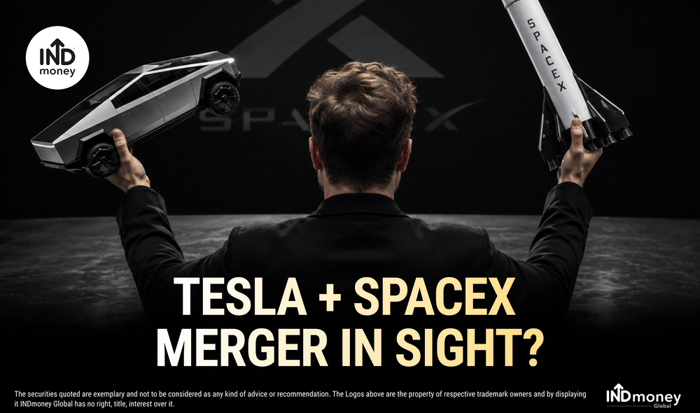
While the strategic narrative is undeniably compelling, executing a merger between a publicly traded titan and a privately held aerospace giant presents unprecedented structural and financial hurdles. Tesla commands a massive public market valuation subject to daily market sentiment, whereas SpaceX’s valuation is anchored in periodic private funding rounds that value the company well into the hundreds of billions.
Financial analysts point out that structuring such a deal would likely require an extraordinarily complex reverse merger, a massive stock-for-stock swap, or the creation of a new holding company structure. Minority shareholders in Tesla would demand rigorous valuation fairness opinions to ensure that SpaceX’s capital-heavy Starship program does not dilute automotive cash flows without proportional, near-term returns.
| Metric / Attribute | Tesla, Inc. (TSLA) | SpaceX (SPCX - Private Estimates) |
|---|---|---|
| Corporate Structure | Publicly Traded (NASDAQ) | Privately Held Enterprise |
| Core Revenue Engine | EVs, Energy Storage, Solar | Launch Services, Starlink Broadband |
| Primary Technological Focus | Autonomous AI, Robotics, Batteries | Reusable Rockets, Orbital Infrastructure |
| Market Sentiment Driver | Consumer EV Demand, FSD Regulatory Approval | Global Satellite Deployment, NASA Contracts |
What Investors Need to Know Right Now
For everyday retail investors and institutional fund managers alike, navigating this rumor requires a disciplined approach rooted in fundamentals rather than speculative hype. Regulatory bodies such as the Securities and Exchange Commission (SEC) and antitrust authorities would scrutinize a combined entity with microscopic intensity, given the sheer concentration of critical infrastructure, satellite communications, and artificial intelligence assets under a single corporate roof.
However, industry insiders suggest that even an informal operational partnership—or a closer cross-pollination of engineering talent—could yield substantial market advantages long before any formal merger documents are drafted.
Future Outlook: The Road Ahead for Shareholders
As the market digests the implications of a potential Tesla-SpaceX alignment, volatility in TSLA shares is expected to remain elevated. Investors should monitor official filings, shareholder meeting Q&As, and broader macroeconomic liquidity trends for any concrete signals regarding corporate restructuring.
Ultimately, whether a merger materializes or remains a perennial Wall Street daydream, the conversation itself underscores the relentless ambition driving Elon Musk’s corporate empire. For astute investors, keeping a close eye on the technological convergence between these two giants will remain paramount.
Frequently Asked Questions
Is a Tesla-SpaceX merger officially confirmed?
No. As of July 2026, a merger between Tesla and SpaceX remains a subject of market speculation and analytical discussion. Neither company has filed official binding documents or made formal announcements regarding a combination.
How would a merger affect current Tesla shareholders?
Any potential transaction would require shareholder approval. While proponents argue it would create an unbeatable technology conglomerate, critics worry about the capital intensity of SpaceX's space exploration programs potentially impacting Tesla's core automotive dividend and cash flow profile.