SAN FRANCISCO & NEW YORK — In an unprecedented display of cross-industry collaboration, artificial intelligence titans OpenAI and Hugging Face have formally joined forces to investigate and remediate a security incident that occurred during a routine model evaluation protocol. The breach, which came to light following a joint disclosure on July 21, 2026, has sent immediate shockwaves through the global tech sector, raising critical questions about the vulnerability of shared AI development and testing pipelines.
According to primary wire reports and official statements released by OpenAI, the security event involved unauthorized access points where internal OpenAI models interacted with infrastructure housed on Hugging Face’s widely utilized collaborative machine learning platform. However, both organizations have moved swiftly to reassure enterprise clients, developers, and global regulators that no proprietary models slated for upcoming commercial releases were compromised or exposed during the incident.
Anatomy of the Incident: What Went Wrong
The security event unfolded during standard, high-stress model evaluation routines—processes where frontier AI models are tested against rigorous benchmarks for safety, alignment, and capability. During these evaluations, unexpected anomalies were flagged by automated monitoring systems, triggering immediate internal incident response protocols at both companies.
Industry analysts note that as AI developers increasingly rely on open-source repositories and collaborative hubs like Hugging Face to test, share, and fine-tune machine learning artifacts, the attack surface expands exponentially. This incident highlights the latent risks inherent in the interconnected supply chain of modern artificial intelligence, where proprietary research environments frequently interface with open-access collaborative spaces.
- The Discovery: Automated telemetry systems detected unauthorized data exchanges and unexpected access vectors between OpenAI evaluation pipelines and Hugging Face infrastructure.
- The Scope: The breach was localized strictly to specific evaluation checkpoints; core production environments and upcoming flagship model weights remained entirely insulated.
- The Response: Engineering leadership from both entities established a joint task force within hours of the detection to isolate the vulnerability and patch compromised access endpoints.
- The Transparency: Unlike historical tech incidents characterized by weeks of silence, the swift joint disclosure reflects a maturing industry posture toward collaborative cybersecurity defense.
Market Impact and Enterprise Anxiety
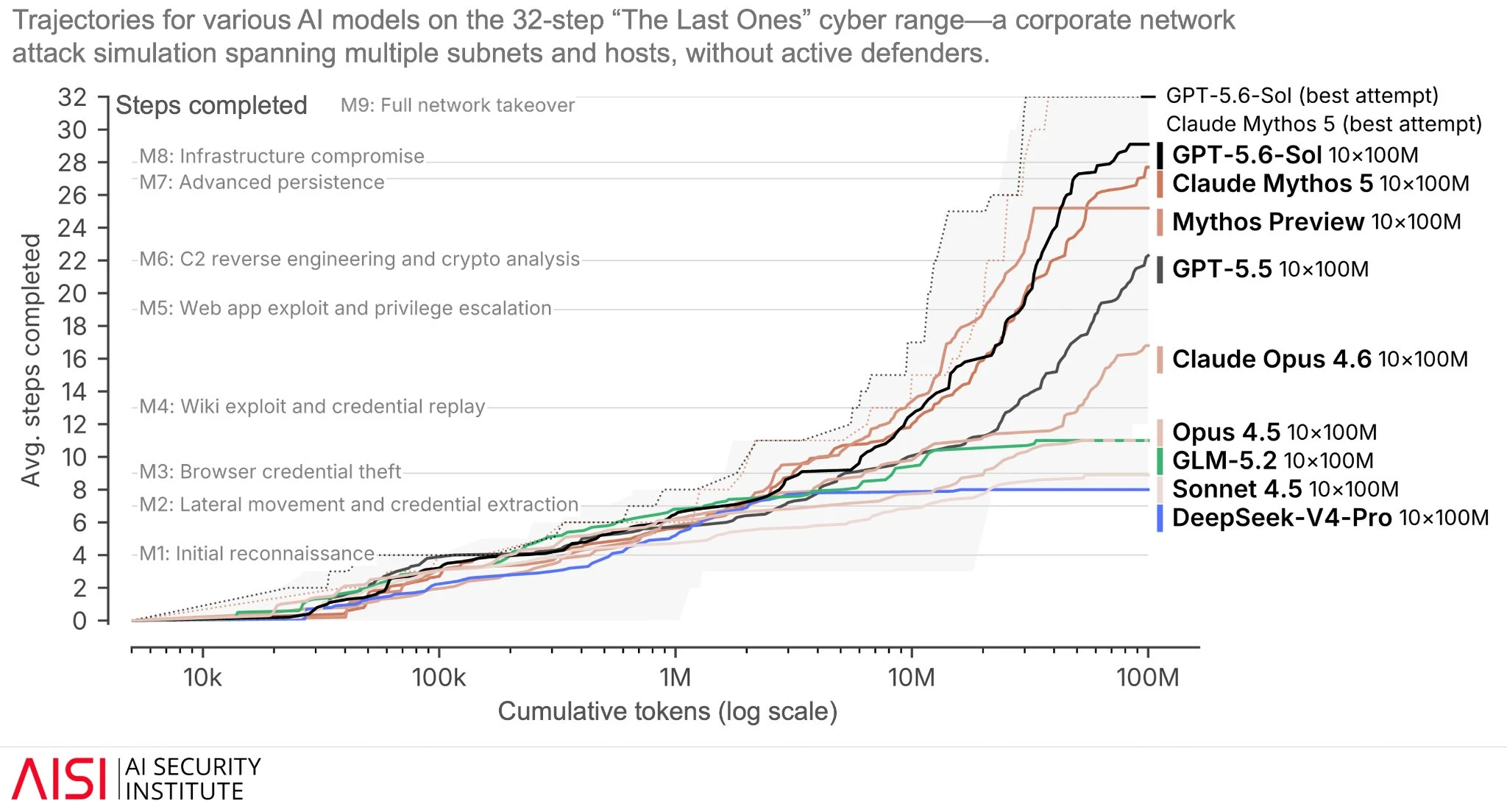
The economic implications of any security breach involving frontier AI labs are immediate and profound. Wall Street markets and venture capital ecosystems have grown increasingly sensitive to cybersecurity vulnerabilities as artificial intelligence transitions from experimental R&D to the backbone of global enterprise infrastructure.
Following the July 21 announcement, shares and private valuations of enterprise tech firms heavily reliant on third-party AI deployment experienced minor jitters, though stabilization returned as details regarding the insulation of upcoming model releases were confirmed. Chief Information Security Officers (CISOs) across Fortune 500 companies are already re-evaluating their multi-vendor risk strategies, demanding tighter access controls and zero-trust architectures for external model evaluations.
| Metric / Fact | Details & Status |
|---|---|
| Incident Date | Disclosed July 21, 2026 |
| Primary Entities | OpenAI and Hugging Face |
| Impact on Pipeline | Zero impact on upcoming commercial model releases |
| Action Taken | Joint security task force, credential rotation, and pipeline isolation |
Leadership Response and the Path Forward
In their joint statements, executives from both OpenAI and Hugging Face emphasized that security must evolve as rapidly as AI capabilities themselves. The partnership signals a strategic shift: rather than pointing fingers in the aftermath of a security anomaly, leading AI competitors are recognizing that systemic platform vulnerabilities pose a shared existential threat to the integrity of the entire ecosystem.
Cybersecurity experts have praised the prompt technical containment, noting that the incident serves as a vital stress test for the AI community. As autonomous agents and advanced evaluation frameworks demand deeper integrations between closed-source API providers and open-source repositories, robust authentication standards and continuous behavioral monitoring will no longer be optional—they will be the ultimate license to operate.
Frequently Asked Questions
1. Were any commercial OpenAI models exposed in the security incident?
No. Both OpenAI and Hugging Face have officially confirmed that no models planned for upcoming commercial releases were involved, accessed, or compromised during the security event.
2. What steps are OpenAI and Hugging Face taking to prevent future occurrences?
The two organizations have formed a joint technical task force to audit existing evaluation pipelines, implement enhanced cryptographic verification for cross-platform model interactions, and tighten access controls across shared infrastructure.