Executive Takeaways
- Immediate Market Impact: Nasdaq-100 futures slid sharply in pre-market trading as Alphabet shares suffered a steep sell-off following a mixed third-quarter earnings report.
- The Core Catalyst: Wall Street reacted aggressively to surging capital expenditures (CapEx) tied to aggressive artificial intelligence infrastructure buildouts, despite solid overall top-line revenue growth.
- Cloud Compute Scrutiny: While Google Cloud revenue showed resilience, investors demanded tighter risk mitigation and clearer enterprise ROI timelines for multi-billion-dollar data center investments.
- Valuation Multiples Reset: Institutional investors are recalibrating valuation multiples across mega-cap technology equities, signaling a pivot toward rigorous capital allocation discipline over unconstrained growth.
NEW YORK — In the high-stakes theater of global financial markets, sentiment can pivot on a single basis point of margin compression or a multi-billion-dollar variance in forward capital allocation. Global equity markets experienced a sharp reality check as Nasdaq-100 futures tumbled following the release of Alphabet Inc.’s latest financial disclosures. While the parent company of Google posted headline-beating top-line growth, the underlying mechanics of its earnings report laid bare a growing anxiety among institutional asset managers: the staggering cost of winning the generative artificial intelligence race.
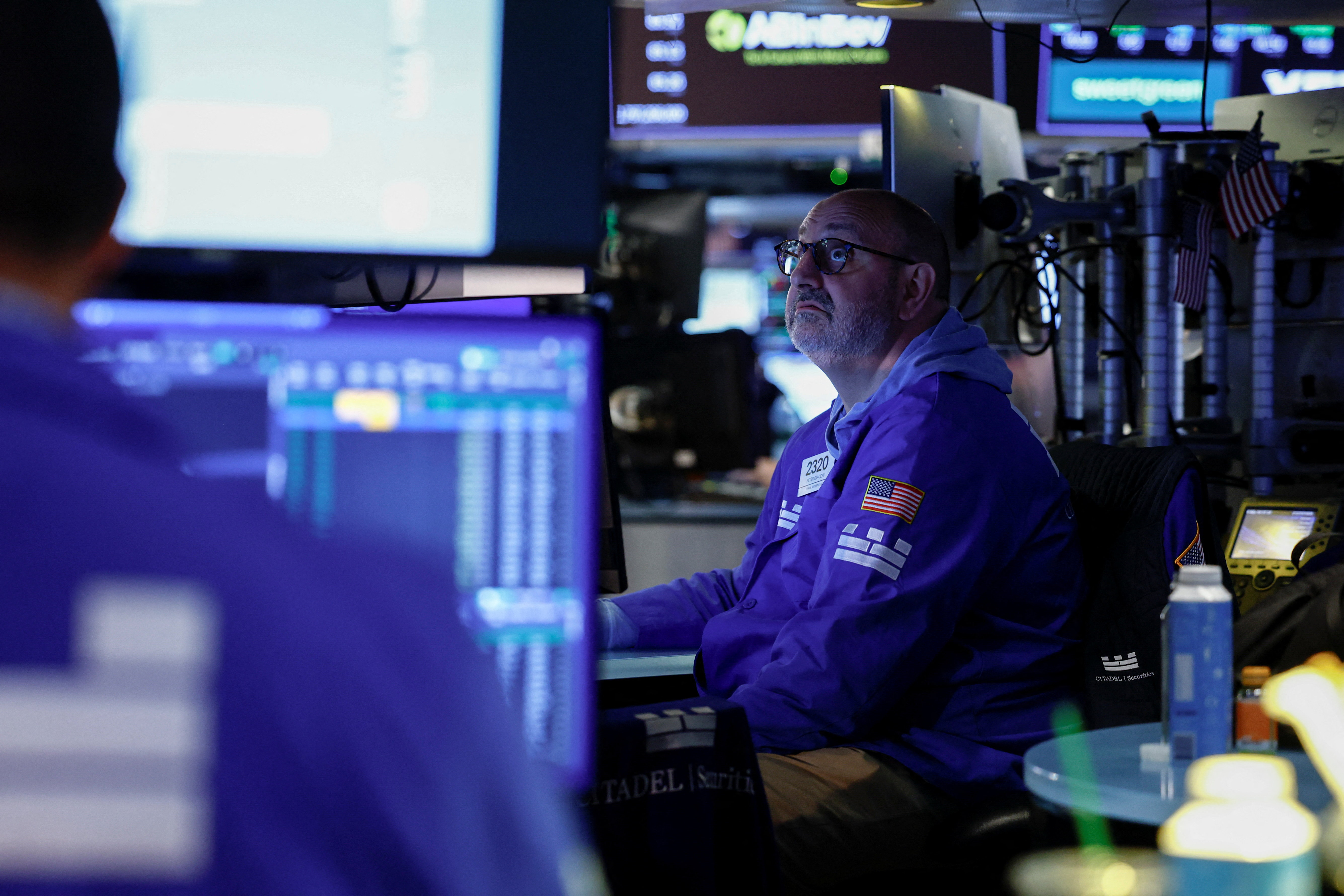
As trading desks across Wall Street and the City of London digested the data, the immediate reaction was a broad-based repricing of tech-sector risk. The sell-off underscored a profound tension in modern corporate finance: balancing the urgent necessity of massive cloud compute architecture investments against the unforgiving demands of public markets for immediate operational efficiency and predictable free cash flow generation.
The Catalyst: Dissecting Alphabet’s Earnings and the CapEx Surge
Test Our Free AI & Tech Utilities Suite
Calculate LLM API token costs, analyze article dwell-time, or simulate tech DCA returns.
The root cause of the market friction lies not in a failure of Google’s core search engine advertising engine, which remains remarkably robust, but in the sheer velocity of its capital expenditures. Alphabet management reported that capital expenditures scaled aggressively, driven almost entirely by investments in servers, networking equipment, and specialized data center infrastructure designed to power advanced machine learning models and large language model (LLM) training workloads.
For months, institutional investors have cheered the aggressive posture taken by Big Tech firms in securing advanced silicon, such as specialized Tensor Processing Units (TPUs) and high-end graphics processing units. However, as the cumulative price tag of these infrastructure rollouts hits balance sheets, portfolio managers are increasingly asking tough questions regarding infrastructure scalability and long-term monetization. The core debate centers on whether the incremental revenue generated from AI-enhanced enterprise tools and consumer search features will match the exponential curve of capital outlays.
Furthermore, gross margin dynamics came under intense scrutiny. As Google integrates generative search features into its flagship product ecosystem, the compute cost per query is fundamentally higher than traditional index lookups. This structural shift in operational expenditure (OpEx) triggered immediate downward revisions among sell-side equity research analysts, cascading directly into broader market liquidity and index-level futures contracts.
Market Liquidity and the Nasdaq-100 Reaction

Because the Nasdaq-100 index exhibits high concentration risk—with the "Magnificent Seven" mega-cap stocks accounting for a disproportionate share of index weighting—any material correction in Alphabet shares acts as an immediate gravitational pull on index futures. Automated trading algorithms, programmed to react to earnings surprises and forward guidance adjustments, exacerbated the pre-market downward pressure.
Market makers observed a sudden tightening of market liquidity as institutional desks reassessed their risk mitigation strategies. Options markets reflected heightened volatility skew, with investors aggressively bidding up downside protection through put options on tech-heavy exchange-traded funds (ETFs). This technical positioning amplified the physical selling pressure, demonstrating how tightly correlated modern equity indices have become to the fiscal health and capital spending discipline of a handful of monolithic tech enterprises.
| Financial Metric / Indicator | Reported / Current Value | Market Expectation / Context |
|---|---|---|
| Alphabet Quarterly Revenue | Beaten Consensus | Driven by resilient digital ad spend and Google Cloud expansion. |
| Capital Expenditures (CapEx) | Substantial QoQ Increase | Accelerated data center builds and AI chip procurement. |
| Google Cloud Growth Rate | Robust Double-Digit | Gaining market share, but facing fierce competition from AWS and Azure. |
| Nasdaq-100 Futures Impact | Negative Correction | Reflects broader tech sector valuation multiple contraction. |
Industry & Market Implications: Who Wins, Who Loses
The shockwaves from Alphabet’s earnings report extend far beyond Mountain View, California, carrying profound implications across the global technology and financial landscape:
- Semiconductor Manufacturers & Infrastructure Providers (The Winners): Chipmakers, networking hardware vendors, and specialized power infrastructure providers continue to capture massive cash flows as hyperscalers compete for scarce computing resources. Regardless of near-term margin pressure on software platforms, the physical buildout of the AI economy remains an unstoppable capital tidal wave.
- Growth-Stage Software & Enterprise SaaS (The Mixed Picture): Enterprise software buyers are increasingly demanding verifiable enterprise ROI before deploying capital into generative AI subscriptions. Companies unable to prove immediate productivity gains are finding sales cycles lengthening.
- Traditional Value Investors & Pension Funds (The Cautious Observers): For institutional asset allocators managing multi-asset portfolios, the sell-off reinforces the thesis that peak margins for mega-cap tech may be arriving. Capital is beginning to rotate toward defensive sectors, fixed income, and cyclical assets offering more predictable free cash flow yields.
Frequently Asked Questions (People Also Ask)
Why did Nasdaq-100 futures dip following Alphabet’s earnings report?
Nasdaq-100 futures declined because Alphabet’s earnings report revealed a sharp increase in capital expenditures dedicated to artificial intelligence infrastructure. Investors grew concerned that these surging costs would compress operating margins and fail to yield immediate, proportionate revenue returns, prompting a valuation multiple contraction across mega-cap technology equities.
How do massive data center investments impact Alphabet's short-term profitability?
Heavy investments in servers, specialized silicon, and real estate significantly elevate depreciation expenses and operational costs. While these expenditures are necessary for long-term cloud compute architecture and AI dominance, they exert immediate downward pressure on free cash flow and net profit margins.
What are institutional investors looking for regarding enterprise AI return on investment (ROI)?
Institutional portfolio managers are demanding concrete metrics proving that corporate spending on artificial intelligence translates into durable net-new revenue streams, enhanced operational efficiencies, and defensible competitive moats rather than simply maintaining parity in an expensive technological arms race.
Future Outlook and Key Milestones to Watch
As the market digests this latest earnings cycle, the overarching narrative for the remainder of the fiscal year will center on execution and capital discipline. Alphabet management will face mounting pressure during subsequent earnings calls to provide granular transparency regarding the monetization timelines of its AI products.
Key milestones for market observers to monitor include upcoming quarterly disclosures from fellow hyperscalers, macroeconomic indicators touching on corporate IT budgets, and regulatory compliance updates impacting cross-border cloud data architecture. Ultimately, while the structural long-term thesis for artificial intelligence remains intact, the era of uncritical, momentum-driven tech valuations has given way to a rigorous, valuation-conscious market regime.