Executive Takeaways
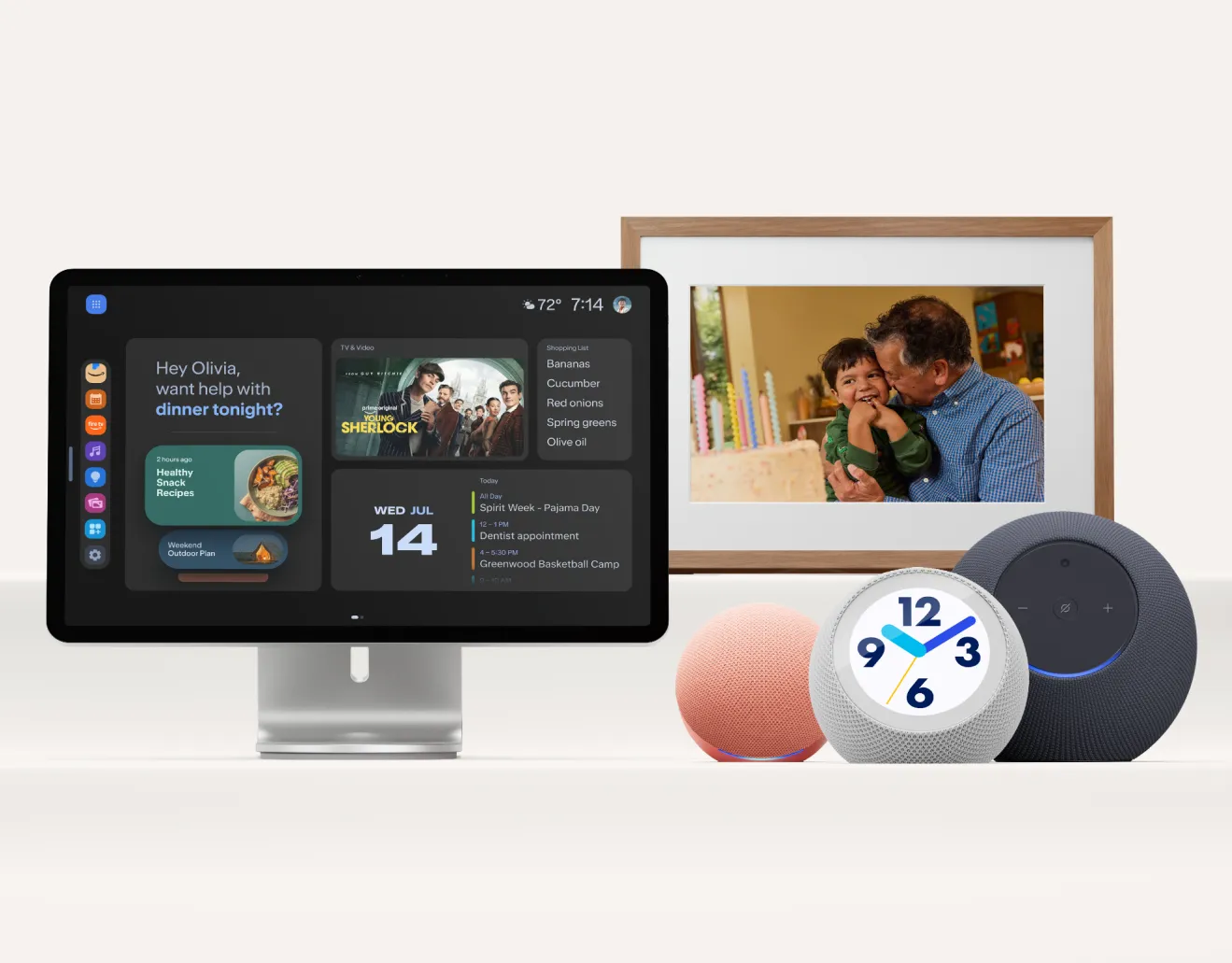
- Hardware Expansion: Amazon has officially unveiled a massive 16-inch Echo Smart Display alongside a dedicated Alexa Photo Frame, targeting both enterprise collaboration and premium residential living spaces.
- Ecosystem Monetization: The release marks a strategic shift from low-margin smart home hardware to high-value subscription and cloud compute architecture integration, boosting long-term customer lifetime value (LTV).
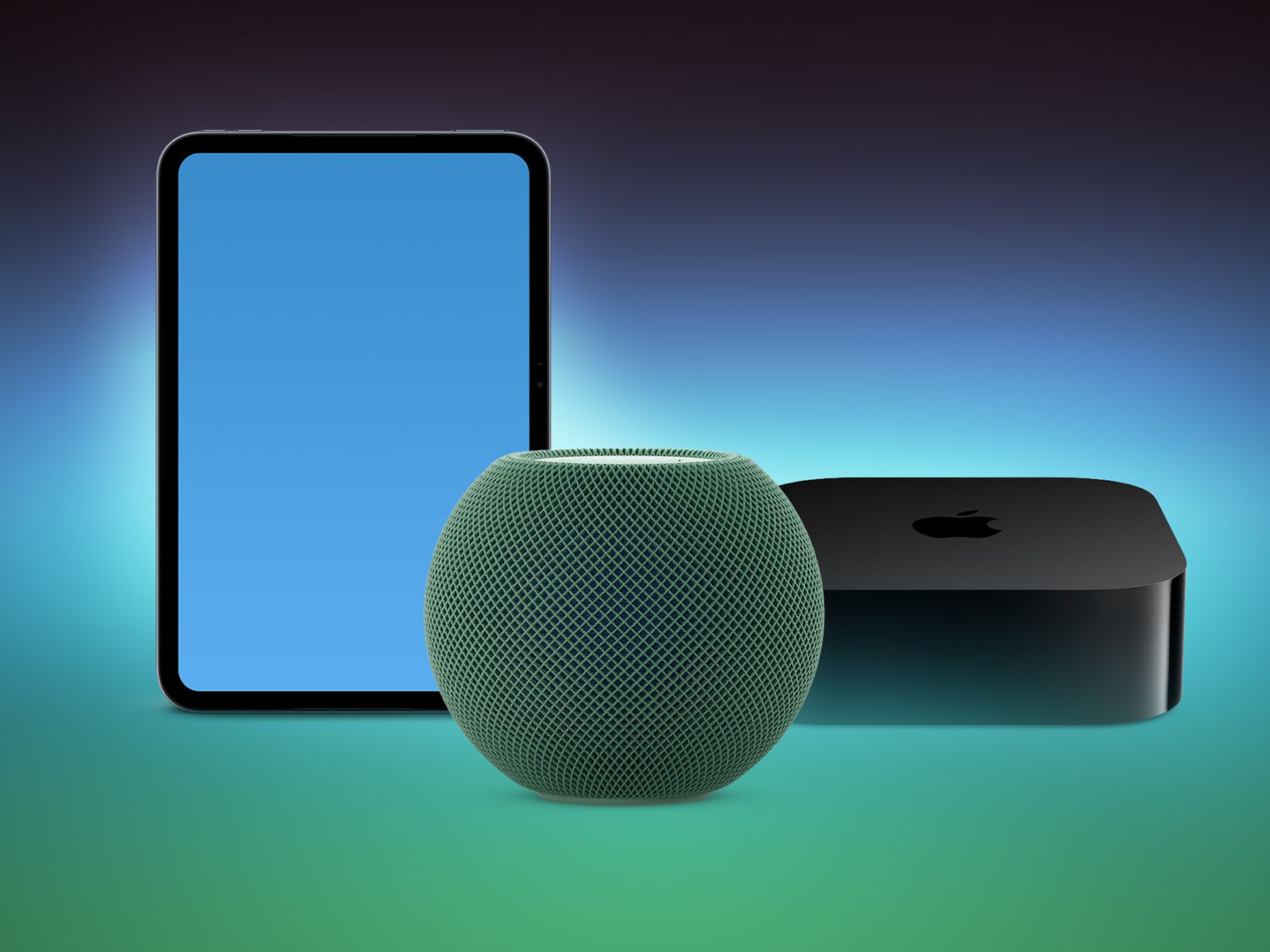
- Competitive Positioning: These new form factors directly challenge Google’s Nest Hub Max and Apple’s rumored smart home command centers, intensifying capital allocation battles in the consumer Internet of Things (IoT) sector.
- Valuation Multiples & ROI: Wall Street analysts are monitoring how these devices impact Amazon’s hardware division profitability, risk mitigation strategies, and enterprise ROI potential.
SEATTLE — In a sweeping maneuver designed to solidify its dominance in the connected home and enterprise productivity sectors, Amazon has officially debuted its largest smart display to date: a sprawling 16-inch Echo Smart Display, accompanied by the sleek, design-forward Alexa Photo Frame. Revealed during a high-stakes product showcase, this hardware rollout represents far more than a routine refresh of Amazon’s consumer electronics catalog. It signals a calculated restructuring of capital allocation, a deep dive into edge computing infrastructure, and a direct assault on the high-end consumer technology market.
For financial analysts, tech historians, and supply chain experts tracking Amazon’s multi-year hardware playbook, this launch crystallizes a pivotal evolution. For years, consumer smart displays functioned primarily as entry-level hubs—low-margin loss leaders engineered to lock users into the Prime ecosystem and drive recurring e-commerce transactions. However, with the introduction of a 16-inch canvas and an ambient-focused photo frame, Amazon is rewriting the playbook. The company is actively pursuing premium valuation multiples through hardware-as-a-service paradigms, advanced generative AI integration, and enterprise-grade workspace solutions.
The Catalytic Shift: Re-Engineering the Smart Home Command Center
Test Our Free AI & Tech Utilities Suite
Calculate LLM API token costs, analyze article dwell-time, or simulate tech DCA returns.
To understand the strategic gravity of the 16-inch Echo Smart Display, one must examine the shifting dynamics of remote and hybrid work environments. Over the past twenty-four months, enterprise ROI metrics for home-office setups have plateaued. Consumers and professionals alike demand multifunctional, aesthetically pleasing hardware that transitions effortlessly from corporate collaboration hubs to family communication centers.
Amazon’s engineering teams have responded by designing a high-definition, wall-mountable or counter-balanced 16-inch display that leverages advanced cloud compute architecture. Unlike its predecessors—such as the Echo Show 10 and 15—this new flagship model is powered by a next-generation neural processor. This chip enables on-device machine learning inference, reducing latency for complex voice commands and securing user privacy through localized data processing.
Concurrently, the introduction of the Alexa Photo Frame targets a lucrative demographic overlap: consumers who prioritize interior design and aesthetic minimalism over industrial tech aesthetics. By embedding ambient computing directly into a picture frame format, Amazon is solving the perennial "black screen" problem that plagues traditional digital displays when idle. When not displaying family albums or curated fine art, the frame seamlessly transforms into a contextual information dashboard, delivering weather updates, calendar alerts, and smart home automation controls without disrupting domestic tranquility.
Financial Implications, Supply Chain Dynamics, and Market Liquidity

From a macroeconomic perspective, Amazon’s hardware division operates under stringent regulatory compliance and margin pressures. Historically, consumer electronics manufacturers face compressed operating margins due to volatile semiconductor costs, stringent global logistics expenses, and aggressive pricing wars against competitors like Google and Meta.
However, Amazon's strategic playbook relies on a diversified risk mitigation framework. By scaling its proprietary silicon investments—specifically through custom-designed Annapurna Labs processors—the company successfully insulates its hardware gross margins from external supply chain shocks. Furthermore, the integration of these devices with Amazon Web Services (AWS) backend infrastructure ensures that every unit deployed acts as a sticky touchpoint for high-margin cloud services and subscription tiers, including Amazon Music, Prime Video, and enhanced Alexa+ generative AI capabilities.
| Metric / Specification | 16-Inch Echo Smart Display | Alexa Photo Frame |
|---|---|---|
| Primary Form Factor | Wall-Mountable / Countertop Hub | Desktop / Wall Ambient Frame |
| Display Technology | 16-inch HD Touchscreen (Anti-Glare) | Matte-Finish E-Paper / High-CRI LCD |
| Target Use Case | Smart Home Control, Collaboration, Media | Ambient Visuals, Photo Curation, Micro-Widgets |
| Edge Processing | Proprietary Neural Engine (On-Device AI) | Low-Power Microcontroller + Cloud Sync |
| Projected Market Impact | High penetration in hybrid work & kitchen hubs | Disruption of traditional digital photo frame market |
Industry & Market Implications: Who Wins, Who Loses
The rollout of these two devices triggers immediate competitive realignments across the consumer tech sector:
- Winners — Amazon Ecosystem & Enterprise Partners: Amazon strengthens its ecosystem moat. By capturing prime real estate on living room walls and office desks, the tech titan secures continuous consumer engagement. Enterprise software partners integrating with the 16-inch display also benefit from a reliable enterprise collaboration conduit.
- Losers — Legacy Digital Frame Makers & Budget Tablet Manufacturers: Traditional manufacturers of standalone digital photo frames face an existential threat. A device powered by Alexa intelligence vastly outperforms static cloud frames. Similarly, low-end Android tablet manufacturers targeting home-automation dashboards will struggle to match Amazon’s aggressive hardware pricing and ecosystem depth.
- Competitors on Notice: Alphabet (Google) and Apple must accelerate their own hardware roadmaps. While Google’s Nest ecosystem remains robust, the absence of a comparable large-format consumer command center leaves a notable vulnerability. Meanwhile, Apple’s rumored smart home display initiatives face heightened pressure to deliver superior design and seamless privacy architecture.
Frequently Asked Questions (People Also Ask)
What makes the 16-inch Echo Smart Display different from previous Echo Show models?
The new 16-inch Echo Smart Display is engineered specifically to serve as a comprehensive household and workspace command center. Featuring a larger high-definition canvas, advanced on-device machine learning via custom neural processors, and enhanced multi-window widget layouts, it offers vastly improved responsiveness and multitasking capabilities compared to smaller legacy Echo Show iterations.
How does the Alexa Photo Frame protect user privacy and photo security?
Amazon has built the Alexa Photo Frame with stringent regulatory compliance and data security protocols in mind. Photos uploaded to the device utilize end-to-end encryption during transit and at rest within AWS secure cloud storage. Furthermore, users retain granular control over facial recognition features, local storage caches, and voice assistant listening permissions.
Will these devices require a monthly subscription fee to access full features?
While core functionalities—such as basic smart home controls, photo displays, and standard Alexa voice interactions—are included out of the box, Amazon has structured the devices to support premium tiers. Advanced generative AI features, expanded cloud photo storage capacity, and enterprise-grade security integrations may be tied to existing bundles like Amazon Prime or upcoming advanced AI subscription packages.
When will the 16-inch Echo Smart Display and Alexa Photo Frame be available for purchase?
Amazon has announced that pre-orders for both devices begin immediately, with retail shipments scheduled to roll out globally ahead of the upcoming holiday shopping quarter. Initial availability will target North American and select European markets, with broader international distribution following early next year.
Future Outlook and Strategic Milestones to Watch
As Amazon navigates the remainder of the fiscal year, Wall Street will closely monitor sell-through rates, hardware attachment metrics, and consumer adoption curves for both the 16-inch Echo Smart Display and the Alexa Photo Frame. Key performance indicators will include the rate at which these devices drive recurring subscription sign-ups and their net contribution to AWS edge-compute utilization.
Ultimately, this dual-product launch underscores Amazon’s refusal to cede ground in the ambient computing arena. By bridging the gap between high-utility enterprise workspaces and refined residential aesthetics, Amazon is positioning itself to capture significant market share, driving robust long-term enterprise valuation and cementing Alexa's place at the core of the modern connected ecosystem.