Executive Takeaways
- The Catalyst: A synchronized retreat in mega-cap technology valuations combined with unexpected fixed-income yield spikes to trigger algorithmic unwinds across prime brokerage desks.
- The Transmission Mechanism: Automated risk mitigation protocols and cross-asset margin calls forced sudden deleveraging, evaporating market liquidity within a compressed 120-minute window.
- Institutional Impact: Corporate treasuries and institutional asset managers are urgently re-evaluating risk mitigation strategies, capital allocation models, and portfolio liquidity buffers.
- Regulatory Fallout: Global watchdogs are intensifying scrutiny over high-frequency trading latency, shadow banking exposure, and systemic vulnerabilities in automated execution venues.
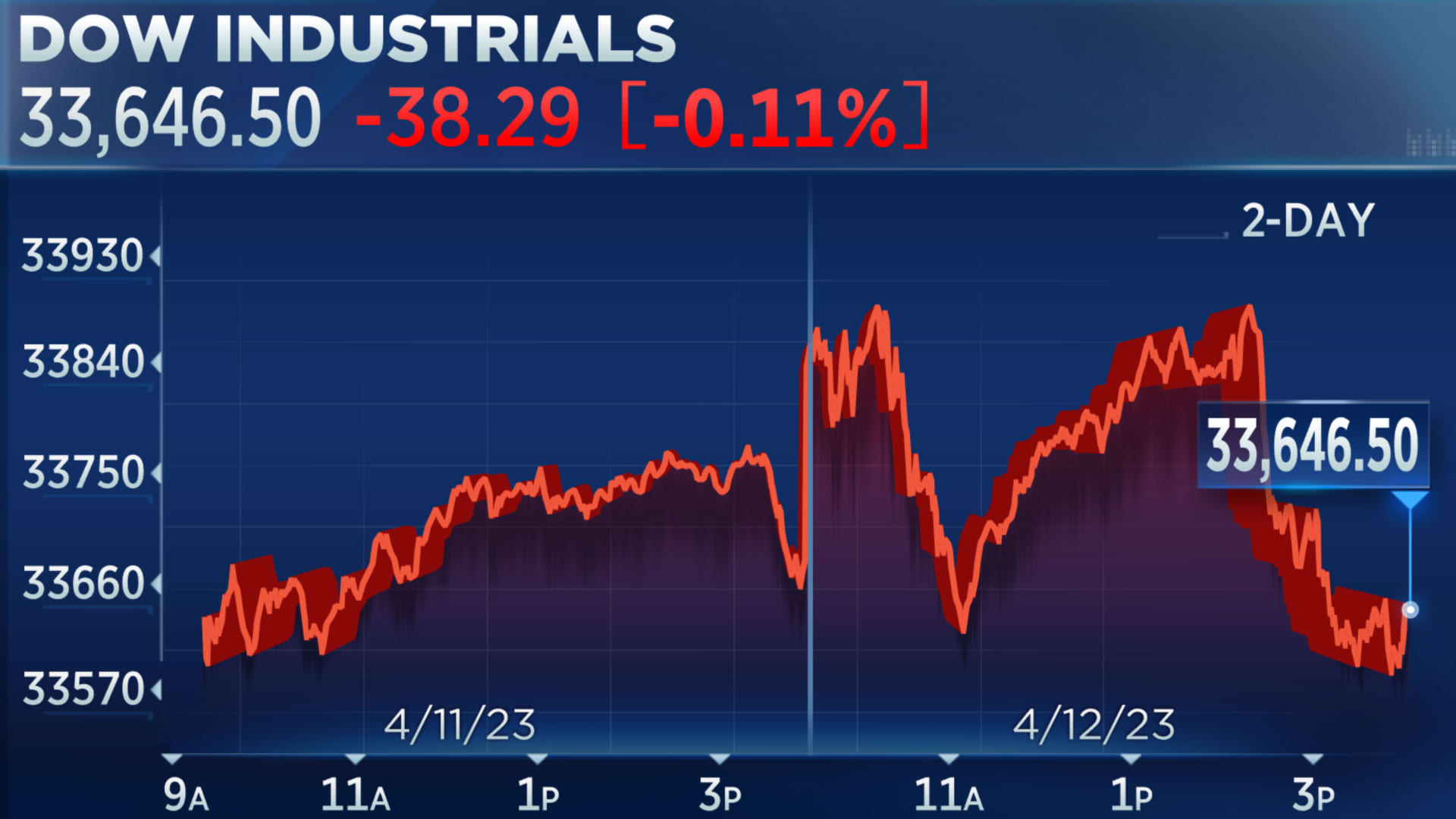
Wall Street woke up to a masterclass in market fragility yesterday as a seemingly isolated correction morphed into a violent, automated chain reaction. Within hours of the opening bell, major indices shed billions in market capitalization, driven not by a single macroeconomic shock, but by a complex, interconnected web of algorithmic trading triggers, compressed market liquidity, and cascading margin calls. For institutional investors, corporate executives, and regulatory bodies, the event served as a stark reminder of how quickly modern financial architecture can amplify localized stress into systemic volatility.
As senior risk officers and quantitative desks scrambled to reconstruct the timeline, it became clear that this was no ordinary profit-taking session. It was a textbook case of modern market mechanics—where high-frequency execution, passive index rebalancing, and leveraged derivatives converged to expose structural vulnerabilities in global capital markets.
The Ignition Point: Catalytic Events and Macro Pressures
Test Our Free AI & Tech Utilities Suite
Calculate LLM API token costs, analyze article dwell-time, or simulate tech DCA returns.
The groundwork for the selloff was laid weeks in advance, characterized by stretched valuation multiples across high-growth sectors and complacency in implied volatility indices (such as the VIX). Beneath the surface tranquility, however, institutional portfolios were wrestling with a shifting macroeconomic paradigm. Persistent stickiness in core inflation metrics forced primary dealers and fixed-income desks to re-price terminal interest rate expectations, sending Treasury yields higher.
When the opening bell sounded, the initial wave of selling did not originate from human panic, but from pre-programmed risk thresholds. Automated execution algorithms, designed to trim exposure when volatility parameters breach specific standard deviations, simultaneously fired sell orders across multiple asset classes. This sudden surge in volume overwhelmed resting order books.
Market makers, operating under stringent risk-management constraints and utilizing automated hedging models, widened their bid-ask spreads to protect against adverse selection. This contraction in market liquidity acted as an accelerant. As bids evaporated, modest selling pressure produced outsized price drops, tripping secondary circuit breakers and cascading straight into the portfolios of leveraged retail and institutional accounts.
The Transmission Mechanism: Margin Cascades and Deleveraging

The defining characteristic of this market rout was the speed at which stress migrated from the equity space into fixed income and derivatives markets. As asset prices breached critical technical support levels, prime brokers issued sweeping intraday margin calls. To meet these liquidity demands, institutional managers were forced to liquidate their most liquid holdings—often their winning positions in secular growth equities and sovereign debt.
This forced selling created a feedback loop. Selling begat lower prices, which triggered further margin requirements, which in turn demanded more liquidation. Cloud compute infrastructure and algorithmic execution engines processed millions of stop-loss orders in milliseconds, outpacing human intervention and leaving market makers scrambling to recalibrate their risk metrics.
Corporate treasury departments watching the tape realized that capital allocation models required an immediate pivot. The cost of commercial paper issuance spiked momentarily, and corporate credit spreads widened significantly as primary dealers conserved capital to absorb their own inventory risks.
| Metric / Indicator | Pre-Selloff Baseline | Intraday Peak Stress | Systemic Implication |
|---|---|---|---|
| Implied Volatility (VIX) | 12.4 | 24.8 (+100%) | Instantaneous repricing of tail risk |
| 10-Year Treasury Yield | 4.12% | 4.35% | Capital flight and rate shock |
| Market Liquidity Depth (S&P 500 E-minis) | $15.2M avg. top-of-book | $3.1M (-79%) | Severe slippage and execution friction |
| Intraday Margin Calls | Normal operations | 3.4x 30-day moving average | Forced institutional deleveraging |
Industry & Market Implications: Winners, Losers, and Economic Fallout
Market corrections of this magnitude invariably redistribute wealth and test corporate resilience. Analyzing the fallout reveals clear bifurcations across global sectors:
- The Losers (Leveraged & High-Multiple Assets): Asset managers heavily reliant on quantitative momentum strategies, private credit vehicles with quarterly liquidity mismatches, and over-leveraged technology firms experienced sharp valuation haircuts. Enterprises relying on continuous debt refinancing faced immediate cost-of-capital pressures.
- The Winners (Cash-Rich & Defensive Operators): Corporations boasting pristine balance sheets, robust enterprise ROI metrics, and massive cash reserves found strategic opportunities. Asset managers with high cash allocations successfully deployed capital into oversold blue-chip equities at attractive valuation multiples.
- Macroeconomic Impact: Central bank officials are monitoring the event closely. While consumer spending remains resilient, a persistent tightening of financial conditions driven by market volatility could prematurely cool economic momentum, forcing monetary policymakers to signal a softer stance on quantitative tightening.
Frequently Asked Questions (People Also Ask)
What triggered the sudden selloff on Wall Street?
The selloff was initiated by a combination of macroeconomic concerns over rising bond yields, stretched valuation multiples in tech, and automated risk-management algorithms simultaneously executing stop-loss orders. This initial wave depleted order book depth, creating a liquidity vacuum that accelerated the downward spiral.
How do algorithmic trading and automated margin calls amplify market drops?
Modern trading infrastructure relies heavily on automated quantitative models that sell assets when volatility or price thresholds are breached. When multiple funds hit these triggers simultaneously, prime brokers issue automatic margin calls. To raise cash, funds must sell liquid assets quickly, overwhelming market makers and driving prices down further in a self-reinforcing loop.
What should institutional investors and corporate treasurers do in response?
Institutions are currently reviewing their risk mitigation protocols, stress-testing portfolios against extreme liquidity crunches, and diversifying their capital allocation strategies. Treasurers are prioritizing enterprise cash reserves and securing flexible credit facilities to insulate operations from sudden financing shocks.
Are regulators planning new interventions following the flash selloff?
Regulatory bodies including the SEC and international watchdogs are expected to increase scrutiny on high-frequency trading latency, dark pool liquidity transparency, and the leverage maintained by non-bank financial intermediaries (shadow banking sector) to prevent systemic contagion.
Future Outlook: What Comes Next and Key Milestones to Watch
As Wall Street digests the shockwaves of this recent selloff, market participants are transitioning from reactive crisis management to strategic realignment. The speed of the recovery will depend heavily on upcoming macroeconomic prints, corporate earnings guidance, and central bank communications.
Chief investment officers will be monitoring several critical milestones over the coming weeks:
- Primary Dealer Inventory Reports: Assessing how effectively broker-dealers absorbed risk during the peak of the liquidity crunch.
- Corporate Credit Spreads: Monitoring high-yield and investment-grade corporate bond spreads to gauge underlying corporate health and debt refinancing stress.
- Regulatory Commentary: Anticipating statements from global financial regulators regarding potential adjustments to margin requirements and automated circuit breaker thresholds.
Ultimately, this sudden chain reaction serves as a definitive stress test for the digital plumbing of global capital markets. While the immediate panic has subsided, the structural lessons learned will permanently alter risk mitigation frameworks, cloud compute execution strategies, and portfolio construction across institutional finance.