Executive Takeaways
- Ecosystem Transformation: Apple is officially deploying deep API hooks that grant Siri and Apple Intelligence direct access to third-party application actions, dismantling its long-standing walled-garden approach to voice and intent processing.
- Enterprise & Financial Impact: The move drastically alters the software valuation multiples for independent developers, forcing SaaS providers to optimize their infrastructure for on-device and private cloud compute architecture.
- Regulatory Shielding: By opening its proprietary assistant framework to competitors and external developers under standardized guidelines, Cupertino aims to mitigate intensifying antitrust scrutiny from global regulatory bodies.
- Monetization Shifts: As context-aware AI agents supersede traditional app discovery, capital allocation across digital advertising, user acquisition, and App Store search optimization faces a seismic realignment.
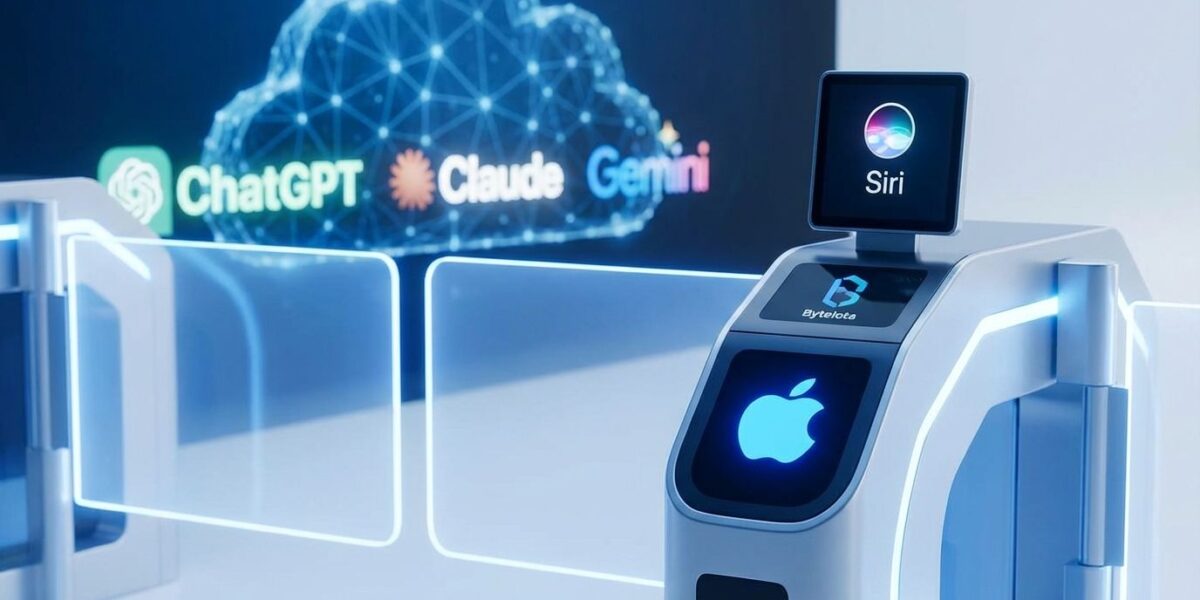
CUPERTINO, SAN FRANCISCO, AND NEW YORK — In a structural pivot that marks one of the most significant strategic realignments in mobile computing history, Apple has officially begun rolling out functionality allowing its Siri assistant and broader Apple Intelligence framework to interface directly with third-party applications. This paradigm shift, executed through advanced App Intents and system-wide API expansions, effectively dissolves the rigid functional silos that have defined iOS since the inception of the App Store. For enterprise technology leaders, institutional investors, and independent software vendors, the development signals a fundamental rewriting of the rules governing consumer engagement, data governance, and market liquidity within the digital economy.
For over a decade, Apple maintained a tightly controlled, zero-sum operational architecture where voice-activated queries remained largely confined to native applications, web searches, and rudimentary device-control commands. Competitors such as Amazon’s Alexa and Google Assistant experimented aggressively with third-party skills and extensions, yet struggled to achieve premium enterprise monetization or robust privacy guarantees. Apple’s calculated delay was rooted in a deliberate risk mitigation strategy: prioritizing end-to-end device security, user trust, and infrastructure scalability. Now, armed with proprietary on-device neural engines and Private Cloud Compute (PCC) architecture, Cupertino is scaling its generative AI ambitions outward, transforming Siri from a basic command-line tool into a contextual orchestration layer capable of executing granular workflows across independent software ecosystems.
The Catalytic Shift: Moving from Siloed Navigation to Conversational Orchestration
Test Our Free AI & Tech Utilities Suite
Calculate LLM API token costs, analyze article dwell-time, or simulate tech DCA returns.
The decision to open Siri to external developers was not merely a feature update; it was a mandatory capital expenditure in response to shifting consumer behavior and competitive pressure from generative AI pioneers like OpenAI, Anthropic, and Google. As users increasingly migrate away from traditional grid-based app icon navigation toward conversational, intent-driven interfaces, operating systems that fail to adapt risk losing their sticky grip on user attention and enterprise ROI.
Under the newly deployed architecture, developers utilize expanded App Intents APIs to expose internal app functions directly to the system intelligence layer. When a user issues a complex, multi-variable prompt—such as requesting a ride, paying a specific vendor via a financial tech app, and editing a document across different enterprise productivity suites—Siri no longer relies on clumsy deep links. Instead, the local large language model (LLM) parses the intent, queries the designated third-party app's structured data framework, and executes the transaction seamlessly behind the scenes.
This technical leap requires unprecedented infrastructure scalability. Apple’s engineering teams have had to ensure that localized processing handles sensitive transactions securely on the device's neural engine, while heavier computational loads are offloaded to Apple Silicon-powered server clusters running Private Cloud Compute. This hybrid model protects user telemetry from third-party harvesting, establishing a stringent compliance benchmark that corporate IT departments and enterprise procurement officers have demanded before sanctioning widespread employee adoption of generative mobile tools.
Comparative Metrics: Evolution of Siri Integration Architecture
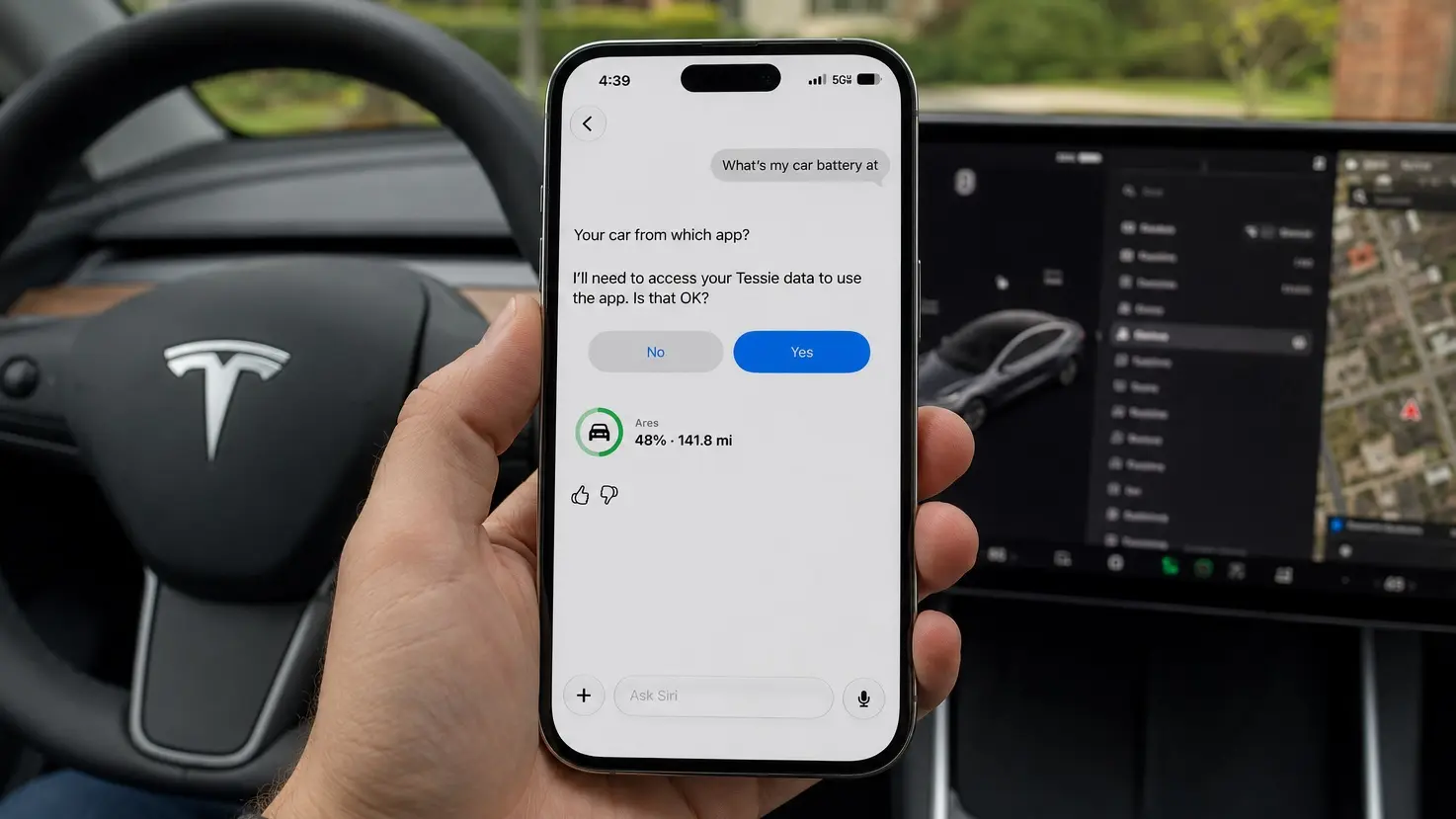
To understand the magnitude of this architectural transition, industry analysts examine the progression from legacy SiriKit integrations to the modern Apple Intelligence App Intents framework:
| Metric / Parameter | Legacy SiriKit (2016–2023) | Modern Apple Intelligence Integration (Current) |
|---|---|---|
| Domain Coverage | Rigidly restricted to 12 specific domains (e.g., VoIP, workouts, payments) | Universal coverage across open developer App Intents and custom schemas |
| Processing Methodology | Keyword matching and hardcoded syntactic parsing rules | Context-aware on-device LLMs and Private Cloud Compute |
| Data Privacy Architecture | Centralized server logging with standard encryption | Zero-knowledge cryptographic verification and stateless cloud processing |
| Monetization & Discovery | Manual App Store optimization and isolated voice shortcuts | Predictive agent surfacing and dynamic intent matching |
Industry & Market Implications: Winners, Losers, and Capital Reallocation
The ripple effects of Apple’s API opening extend far beyond consumer convenience, triggering immediate strategic reviews across global financial markets and venture capital portfolios.
The Winners: Agile SaaS Providers and Consumer Utility Apps
Independent software vendors that move quickly to adopt App Intents stand to capture disproportionate market share. In an environment where consumers spend less time scrolling through app grids and more time issuing conversational directives, apps that integrate deeply with Siri’s intent engine bypass traditional user acquisition bottlenecks. Enterprise productivity tools, fintech platforms, and travel booking engines that enable frictionless, voice-driven execution will see a dramatic reduction in customer friction, translating into higher valuation multiples and superior retention metrics.
The Vulnerable: Legacy Search Intermediaries and Standalone Aggregators
Conversely, businesses whose core economic model relies on serving as the visual discovery layer between the consumer and the transaction face existential risk. If Siri can directly pull data from a third-party inventory system and complete a booking or purchase natively, the need for intermediary aggregator apps diminishes. Furthermore, traditional search engine indexing models must now compete with localized, app-specific intent graphs operating within iOS.
Regulatory Compliance and Antitrust Mitigations
For years, Apple’s App Store policies have faced relentless scrutiny from antitrust regulators in the European Union, the United States, and Asia. By providing third-party developers with deep, unhindered access to core operating system capabilities—historically reserved exclusively for Apple’s native applications—Cupertino constructs a formidable legal defense. Demonstrating platform openness and interoperability allows Apple to blunt regulatory narratives claiming anticompetitive gatekeeping, preserving market liquidity and insulating the firm from punitive structural breakups or prohibitive financial penalties.
Frequently Asked Questions (People Also Ask)
How does Apple protect user data when Siri interacts with third-party apps?
Apple leverages a dual-layer security model combining on-device processing via specialized Neural Engines and its proprietary Private Cloud Compute (PCC) infrastructure. When a third-party app receives an intent request, data exchange is strictly limited to the necessary parameters required to execute the user's specific command. Apple’s architecture ensures that third-party developers cannot harvest underlying user telemetry, and cloud-based computations remain stateless and cryptographically verifiable.
Do developers need to rewrite their entire applications to integrate with Siri AI?
No. Developers do not need to rebuild their applications from scratch. Instead, they utilize Apple’s standardized App Intents framework to map existing functional modules, database queries, and user actions into structured schemas that the system intelligence layer can recognize, interpret, and execute autonomously.
How will this integration affect App Store search optimization and developer monetization?
Traditional App Store Optimization (ASO) focused on keyword rankings and visual icon placement will increasingly take a backseat to "Intent Optimization." Apps that offer robust, error-free API hooks for Siri will be surfaced dynamically by the operating system when relevant contextual prompts occur, fundamentally shifting customer acquisition funnels and rewarding software utility over marketing spend.
Are there hardware prerequisites for end-users to utilize third-party Siri AI actions?
Yes. Because advanced semantic parsing and complex intent execution rely heavily on localized neural compute capabilities, Apple Intelligence features—including deep third-party app integration—currently require devices equipped with specific Apple Silicon chips (such as the M-series processors on iPads and Macs, and A17 Pro or later chips on iPhones).
Future Outlook: Strategic Milestones and Long-Term Market Trajectory
As Apple continues to scale its third-party Siri integration rollout through subsequent iOS development cycles, the strategic landscape of enterprise and consumer technology will undergo irreversible transformation. Over the next 12 to 24 months, institutional analysts will monitor several critical milestones:
- API Complexity Expansion: Watch for Apple to broaden App Intents from transactional commands to multi-turn, stateful conversational workflows, allowing users to conduct prolonged, context-aware projects entirely through voice and system prompts.
- <Enterprise Adoption Rates: Corporate IT deployment metrics will dictate how quickly enterprise software vendors prioritize iOS-native intent schemas over traditional web and desktop interfaces.
- Monetization Models: As discovery shifts from visual search to agentic automation, new digital marketing ecosystems—and potential advertising models within voice interfaces—will emerge, defining the next era of digital revenue generation.
Ultimately, Apple’s decision to open Siri to third-party applications represents a calculated masterstroke. By balancing its uncompromising stance on user privacy with the undeniable market demand for open AI orchestration, Cupertino is successfully positioning its hardware ecosystem as the indispensable operating layer for the next decade of intelligent computing.