Executive Takeaways
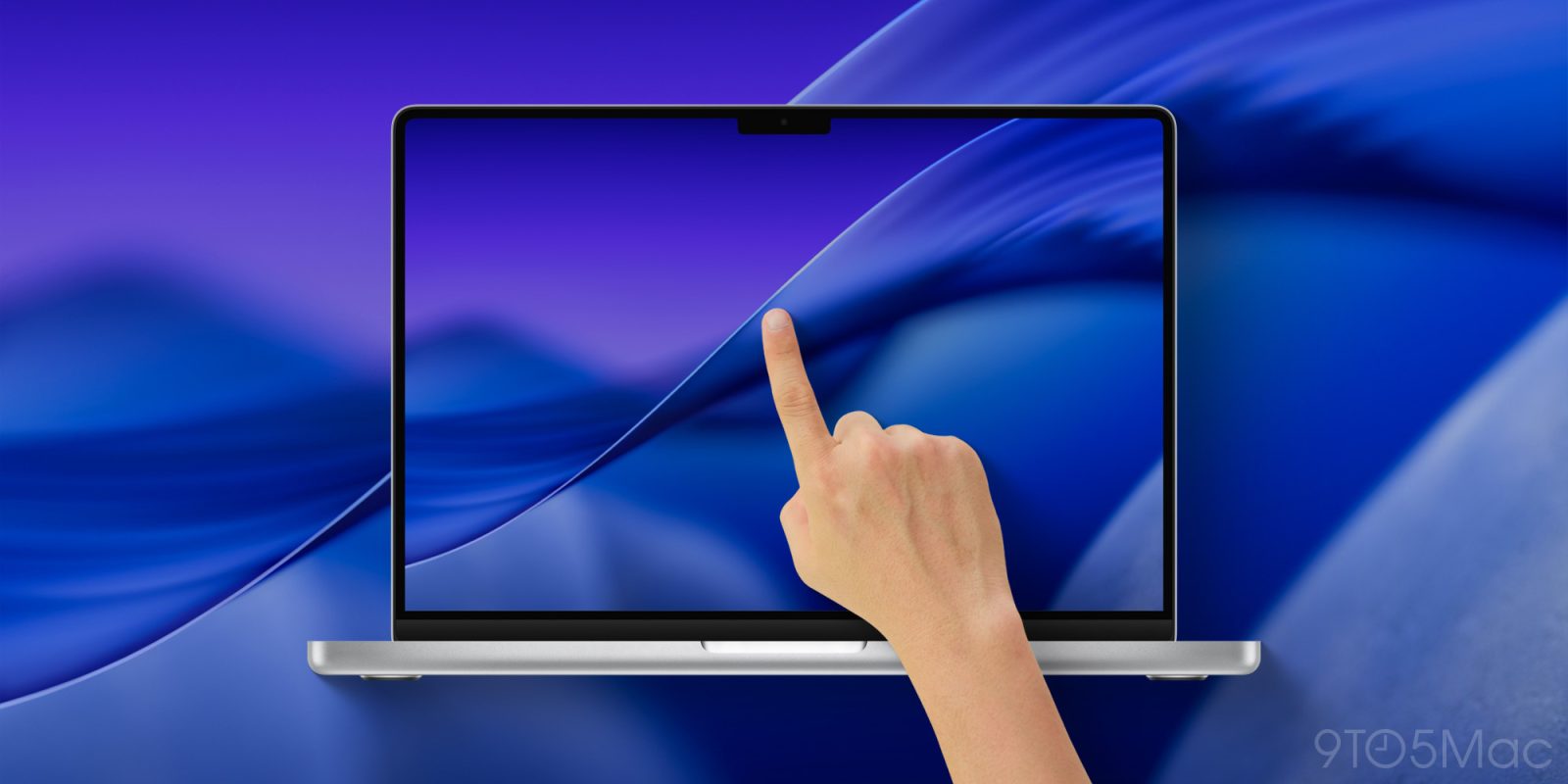
- Historical Doctrine Shift: Apple is preparing to overturn a 15-year internal mandate opposing touch-enabled laptops, eyeing an unveiling window that aligns with early November supply chain readiness to counter aggressive Windows Copilot+ PC enterprise adoption.
- Next-Generation Hardware Stack: The anticipated device combines a custom Tandem OLED display with Touch-on-Display (ToD) integration, preserving thin panel profiles while optimizing battery power draw through dynamic ProMotion refresh algorithms.
- Financial Metrics & ASP Expansion: Wall Street consensus models indicate the multi-touch MacBook Pro flagship will drive Average Selling Price (ASP) expansion by $250 to $400 per unit, lifting hardware gross margins above 38.5% within institutional channels.
- Cross-Platform OS Convergence: Modernized touch-rejection neural models powered by M4/M5 architecture alongside macOS adaptive UI frameworks will enable seamless developer deployment across macOS and iPadOS ecosystems without fragmenting codebases.
The Silicon Valley Paradigm Shift: Reversing the Touch Doctrine
For more than a decade and a half, Apple Inc. maintained an unyielding stance regarding the design boundary separating personal computers from tablet architecture. In 2010, former Chief Executive Steve Jobs famously declared touch screens on vertical displays "ergonomically terrible," noting that user fatigue—often cited in engineering circles as "gorilla arm syndrome"—rendered touch-based laptops unusable over extended work sessions. For years, Cupertino directed users demanding touch interactions toward the iPad Pro, while reserving the Mac for precise, trackpad-driven workflows.
That long-standing product segregation is reaching its end. Driven by rapid changes in enterprise computing demands, advances in display engineering, and shifting capital allocation strategies across the PC hardware ecosystem, Apple is finalizing its first touch-enabled MacBook. Reports indicate an official debut window anchored around November 6. This move signals a calculated move to capture high-margin enterprise market share, refresh Mac lineup momentum, and counter the push from Windows OEMs operating within the high-value ultra-premium segment.
The strategic pivot is grounded in fundamental changes in software usage and chip design. The launch of Apple Silicon in late 2020 eliminated the thermal and architectural boundaries that previously separated macOS from iPadOS. Today's unified ARM-based compute architecture allows native mobile applications to run effortlessly on desktop hardware. Furthermore, enterprise workflows now increasingly rely on hybrid interfaces—ranging from touch-based signature authentication and creative canvas manipulation to collaborative whiteboard interactions—demanding native input flexibility on primary workstation devices.
Engineering Precision: Tandem OLED, Touch-on-Display, and Neural Haptics
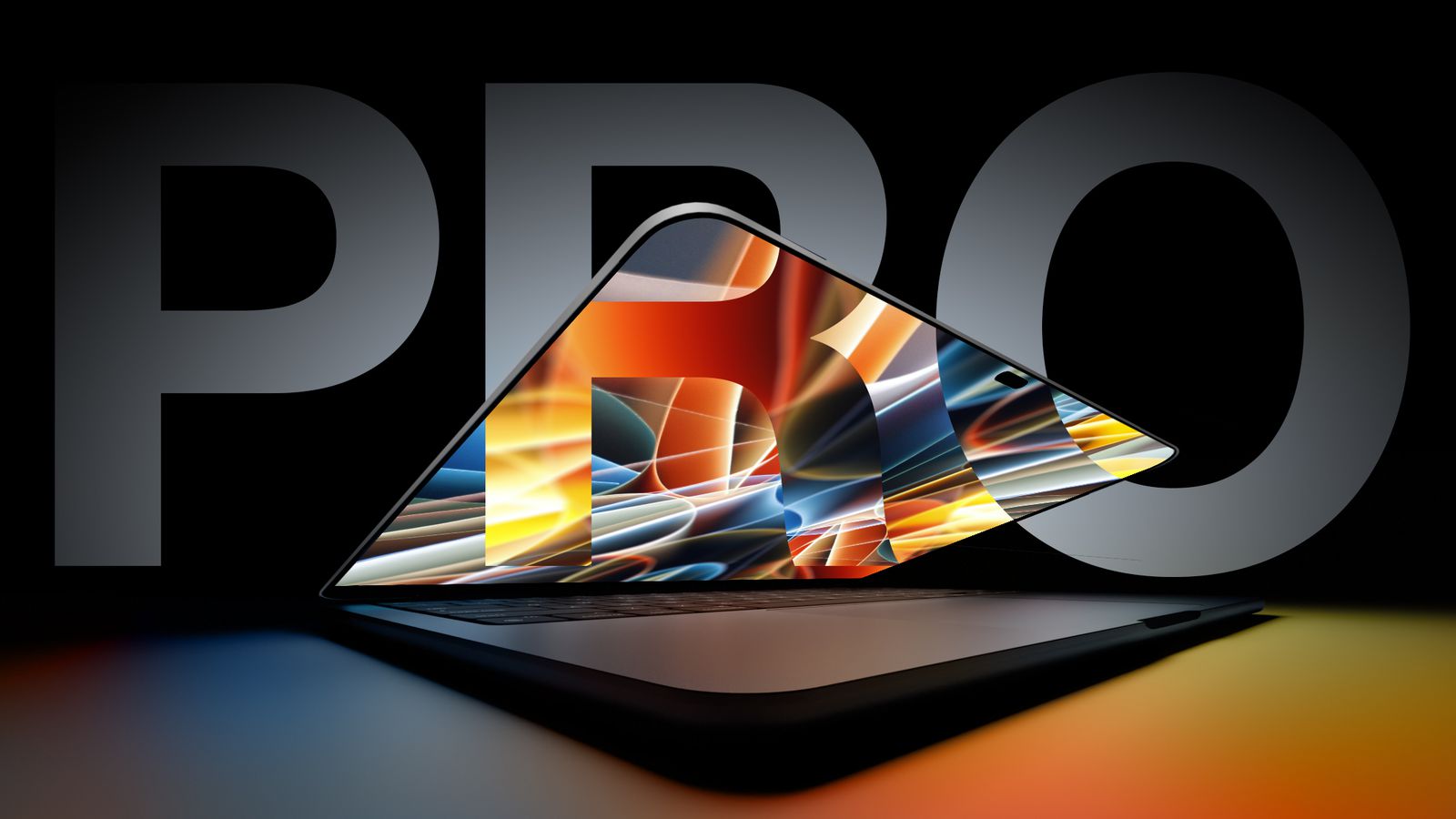
Integrating a capacitive touch matrix into the ultra-thin display enclosure of a MacBook Pro required a complete overhaul of panel architecture. Traditional touch-screen implementation overlays a dedicated sensor glass layer above the display substrate. On a laptop lid measuring less than four millimeters in thickness, this traditional method would add unacceptable weight, introduce optical distortion, and increase top-heavy hinge momentum, leading to screen wobble during touch interactions.
To overcome these physical constraints, Apple’s display engineering teams partnered with panel manufacturers to implement advanced **Touch-on-Display (ToD)** and **In-Cell Touch** technologies onto a customized **Tandem OLED** panel stack. By embedding touch-sensing electrodes directly within the encapsulation layer of the light-emitting diodes, engineers reduced display module thickness by critical fractions of a millimeter while improving light transmission efficiency.
Key Hardware Innovations Driving the Touchscreen MacBook Architecture:
- Tandem OLED Architecture: Utilizing two stacked RGB emitting layers, the panel achieves peak HDR brightness levels up to 1,600 nits while extending operational lifespan and preventing image persistence—a critical requirement for enterprise software containing static interface elements.
- Re-engineered Friction Hinges: A newly designed, high-viscosity torque hinge offers dynamic resistance, maintaining structural stability under touch pressure while retaining single-finger open capability.
- M-Series On-Chip Neural Touch Engine: Dedicated neural accelerator blocks process touch inputs in real time, executing intelligent palm-rejection algorithms at the hardware level to prevent accidental inputs during high-speed typing.
- Micro-Actuator Haptics: Specialized force-feedback actuators embedded along the screen bezel provide subtle localized micro-vibrations, giving users tactile confirmation when manipulating software sliders, controls, and canvas elements.
From a platform performance standpoint, hardware integration represents only half the battle. The incoming operating system iteration, optimized for this device, incorporates an adaptive touch layer. Rather than converting macOS into a traditional tile-based touch interface, the software employs contextual scaling: when a user's finger approaches the display, target hitboxes for menu items, window controls, and toolbars expand subtly, while shrinking back during mouse or trackpad navigation. This dual-input paradigm preserves the desktop experience while providing touch accessibility when needed.
Supply Chain Dynamics and Capital Execution Metrics
The manufacturing execution behind this release represents one of the most capital-intensive supply chain transitions in Apple's history. Yield rates for large-area Tandem OLED display modules featuring integrated touch matrices are historically lower than conventional IPS LCD panels. To secure volume commitments and manage unit economics, Apple allocated substantial capital expenditure prepayments to top-tier display partners, including Samsung Display and LG Display.
By leveraging its strong balance sheet, Apple has secured priority allocation on Gen 8.6 OLED production lines. This allows the company to minimize unit cost bottlenecks while achieving scale advantages that smaller competitors cannot easily match. The following table highlights the operational and financial metrics defining this product deployment relative to existing hardware benchmarks.
| Hardware Vector / Metric | Legacy MacBook Pro (M3/M4 LCD) | Touchscreen MacBook Pro (Tandem OLED) | Financial / Operational Impact |
|---|---|---|---|
| Display Technology | Mini-LED IPS (Liquid Retina XDR) | Tandem OLED with Touch-on-Display (ToD) | +35% Display BOM cost offset by premium pricing |
| Est. Base Model ASP | $1,599 - $1,999 | $2,199 - $2,499 | Expands overall Mac lineup ASP by 12% - 15% |
| Hardware Gross Margin | ~35.5% - 36.5% | ~38.5% - 40.0% | Accretive to consolidated corporate gross margin |
| Primary Display Suppliers | LG Display, Sharp, BOE | Samsung Display, LG Display (Gen 8.6) | Consolidates supply chains with Tier-1 partners |
| Silicon Integration | Standard M-Series Architecture | M4/M5 Pro/Max with Dedicated Touch NPU | Secures silicon differentiation vs x86/Qualcomm |
Market Implications: Enterprise ROI and Competitive Dynamics
The introduction of a touch-capable MacBook addresses a notable competitive gap in Apple’s enterprise strategy. Over the past five years, competitors such as Microsoft (Surface Laptop lineup), Dell (XPS series), and HP (Spectre/Dragonfly series) have dominated enterprise IT deployments where executive touch-functionality is a core requirement. By launching a touch-enabled option running macOS, Apple directly targets this corporate hardware pool.
From an enterprise ROI perspective, Chief Information Officers (CIOs) evaluate fleet procurement through total cost of ownership (TCO) and user productivity metrics. Historically, creative agencies, financial analysts, and software engineers were forced to choose between the processing efficiency of Apple Silicon and the interactive convenience of touch interfaces. Unifying these capabilities on a single platform simplifies enterprise device management (MDM) profiles and reduces software licensing overhead across split fleets.
Financial analysts view this rollout as a potential catalyst for the Mac segment, which saw variable growth following the initial post-pandemic upgrade cycle. By framing the touchscreen MacBook Pro as a premium option positioned above standard M-series models, Apple effectively expands its target market without cannibalizing lower-priced MacBook Air sales. This pricing structure protects enterprise revenue and lifts hardware valuation multiples across Wall Street tracking models.
Frequently Asked Questions (People Also Ask)
Will the touchscreen MacBook run iPadOS applications natively alongside macOS software?
Yes. Powered by unified Apple Silicon and shared Metal graphics libraries, the touch-enabled MacBook Pro will natively execute universal iPadOS applications without requiring emulation. The macOS interface will feature localized containerization, enabling touch-native iPad software to run inside scalable desktop windows with complete touch, trackpad, and keyboard integration.
How will a touch screen affect battery performance and panel durability?
By leveraging Tandem OLED technology and Touch-on-Display (ToD) architectures, Apple minimizes the power draw increases typically associated with capacitive touch layers. The panel utilizes variable ProMotion refresh rates down to 1Hz for static content, mitigating battery drain. Furthermore, the display enclosure is covered by a high-durability variant of custom glass engineered to resist oil buildup, fingerprints, and repetitive surface impacts.
Is Apple planning to phase out the iPad Pro following the launch of a touch MacBook?
No. Wall Street supply chain intelligence indicates that Apple will continue to position the iPad Pro as a modular, touch-first mobile slate tailored for pen-based input via the Apple Pencil, field work, and lightweight operations. The touch MacBook targets enterprise power users, programmers, and finance professionals who require a traditional desktop computing environment augmented by secondary touch inputs.
What is the expected launch window and baseline pricing structure?
While unconfirmed, supply chain lead times and media tracking suggest an initial announcement window centered around early November—with November 6 highlighted as a probable reveal date. The entry