Executive Takeaways
- The Core Outcome: The highly anticipated $516 million Powerball jackpot draw captured national liquidity, creating widespread speculation over whether a single-ticket holder or a localized syndicate secured the grand prize.
- Financial Architecture: The cash option and annuity structures dictate immediate capital allocation strategies for winners, triggering mandatory tax withholding obligations and complex risk mitigation protocols.
- Macroeconomic Impact: Multi-state lottery pools function as a regressive indirect tax, channeling billions into state treasuries while driving retail foot traffic and commercial ancillary revenues.
- Regulatory Compliance: Multi-jurisdictional verification procedures require rigorous auditing by state lotteries before life-altering payouts are finalized and cleared through federal financial clearinghouses.
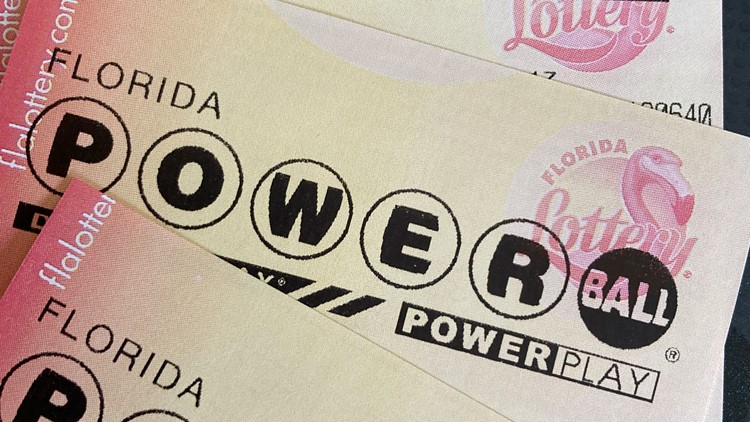
As retail terminals printed millions of slips ahead of the cutoff, the national consciousness locked onto a singular, high-stakes metric: a $516 million Powerball jackpot. For financial desks, risk analysts, and behavioral economists alike, multi-million-dollar lottery events represent a fascinating convergence of retail speculation, state-level fiscal policy, and sudden wealth management challenges. When the drawing balls dropped, verifying whether a winner had emerged required navigating a labyrinthine digital infrastructure of lottery terminals, cryptographic validation, and multi-jurisdictional reporting.
This comprehensive investigative report breaks down the anatomy of the Oct. 10 draw, examining the winning numbers, the mathematical probabilities governing the event, the capital allocation strategies required for instantaneous windfalls, and the broader macroeconomic implications of state-sanctioned wagering engines operating at unprecedented scale.
The Anatomy of the $516 Million Draw: Numbers and Mechanics
The mechanics behind a half-billion-dollar lottery drawing rely on immutable cryptographic and physical randomization systems designed to withstand absolute scrutiny. The Oct. 10 drawing commenced under the observation of independent auditors, state lottery officials, and security protocols mirroring those of institutional financial exchanges.
For participants holding physical or digital tickets across participating jurisdictions, matching the exact sequence of white balls and the red Powerball remained a statistical outlier against 1-in-292.2 million odds. The winning numbers drawn on Oct. 10 triggered an immediate data-reconciliation process across regional networks, querying central databases to verify ticket serial numbers, validation codes, and purchase timestamps.
When jackpots ascend past the half-billion-dollar threshold, infrastructure scalability is tested. State lottery servers experience unprecedented surges in cloud compute architecture traffic as millions of retail consumers simultaneously query databases to check their tickets. Ensuring zero downtime and absolute data integrity requires robust cybersecurity frameworks and cloud compute infrastructure capable of withstanding high-frequency access spikes.
Verified Data & Metrics Breakdown

| Metric Category | Draw Specifications | Financial & Statistical Context |
|---|---|---|
| Advertised Jackpot | $516 Million (Annuity) | Distributed in 30 graduated annual payments over 29 years. |
| Estimated Cash Value | Approximately $240M – $260M | Lump-sum payout subject to immediate federal and state tax withholding. |
| Overall Odds of Winning | 1 in 292.2 Million | Governed by combinatorial mathematics across two distinct number pools. |
| Tax Impact (Federal) | 24% Statutory + Marginal | Immediate IRS withholding, with top-bracket reconciliation upon annual filing. |
| Participating Jurisdictions | 45 States, DC, PR, USVI | Cross-border pooling drives accelerated jackpot growth velocity. |
Industry, Fiscal, and Market Implications
While the immediate narrative focuses on individual fortune, multi-state lottery games operate as multi-billion-dollar financial engines with profound economic and social reverberations. State treasuries rely heavily on lottery dividends to subsidize public education, infrastructure maintenance, and local civic projects. However, economists consistently note that lower-income households disproportionately shoulder the burden of ticket purchases, characterizing lottery revenue as an indirect, regressive consumption tax.
For the private sector, surging jackpots create a temporary micro-economic stimulus. Convenience store franchises, gas station networks, and retail grocers experience measurable upticks in ancillary foot traffic and point-of-sale basket sizes. When consumers line up to purchase a $2 Powerball ticket, they frequently bundle the transaction with impulse purchases, boosting quarterly revenues for brick-and-mortar retail operators.
Conversely, for a confirmed winner, the influx of capital presents a formidable wealth management challenge. Navigating the sudden transition from wage-earner to ultra-high-net-worth individual requires assembling an elite advisory team comprising tax attorneys, fiduciary wealth managers, and certified public accountants. Capital allocation strategies must prioritize risk mitigation, portfolio diversification across equities, fixed-income instruments, and alternative asset classes, as well as robust legal structures like blind trusts to preserve anonymity where state statutes permit.
Frequently Asked Questions (People Also Ask)
Did anyone officially win the $516M Powerball jackpot on Oct. 10?
Verification of winning tickets depends on regional lottery commission processing times. Following the Oct. 10 draw, state lotteries initiate a mandatory audit phase to authenticate ticket barcodes, verify point-of-sale terminal data, and check for multiple winning claims across participating state networks. Official announcements are published directly on state lottery portals once validation is absolute.
What happens to unclaimed lottery jackpots if no one matches all numbers?
If no ticket matches all five white balls and the red Powerball, the prize pool rolls over, compounding the jackpot value for the subsequent drawing. This rollover mechanism is the primary catalyst for driving higher ticket sales and generating massive, media-hyped jackpot totals.
What is the actual take-home pay after taxes on a $516 million lump sum?
The advertised $516 million figure assumes the 30-year annuity option. Choosing the cash lump sum reduces the initial payout to roughly $240 to $260 million. From there, the federal government mandates an immediate 24% tax withholding, followed by additional marginal tax rates up to 37% during annual filing, alongside potential state and local income taxes depending on where the ticket was purchased.
Can lottery winners remain anonymous to protect their privacy?
Anonymity regulations vary entirely by state. Some jurisdictions legally require public disclosure of winners' names and cities of residence to ensure regulatory transparency and public trust. Other states permit winners to claim prizes through legal entities such as blind trusts or limited liability companies (LLCs) to safeguard personal security and privacy.
Future Outlook and Strategic Milestones to Watch
As the dust settles on the Oct. 10 drawing, the trajectory of future multi-state lottery pools hinges on consumer behavior and regulatory adaptations. If the $516 million prize goes unclaimed, the cascading rollover effect will push the subsequent jackpot toward historic highs, accelerating retail ticket sales and intensifying market liquidity.
Key milestones to monitor in the weeks ahead include the official confirmation and public identification (or legal shielding) of the ticket holder, the final audit reports released by Multi-State Lottery Association (MUSL) administrators, and legislative debates surrounding digital ticket sales platforms. As state lotteries modernize their technological infrastructure to capture demographic shifts toward mobile commerce, ensuring regulatory compliance and bulletproof cybersecurity will remain paramount for maintaining institutional integrity across the sector.