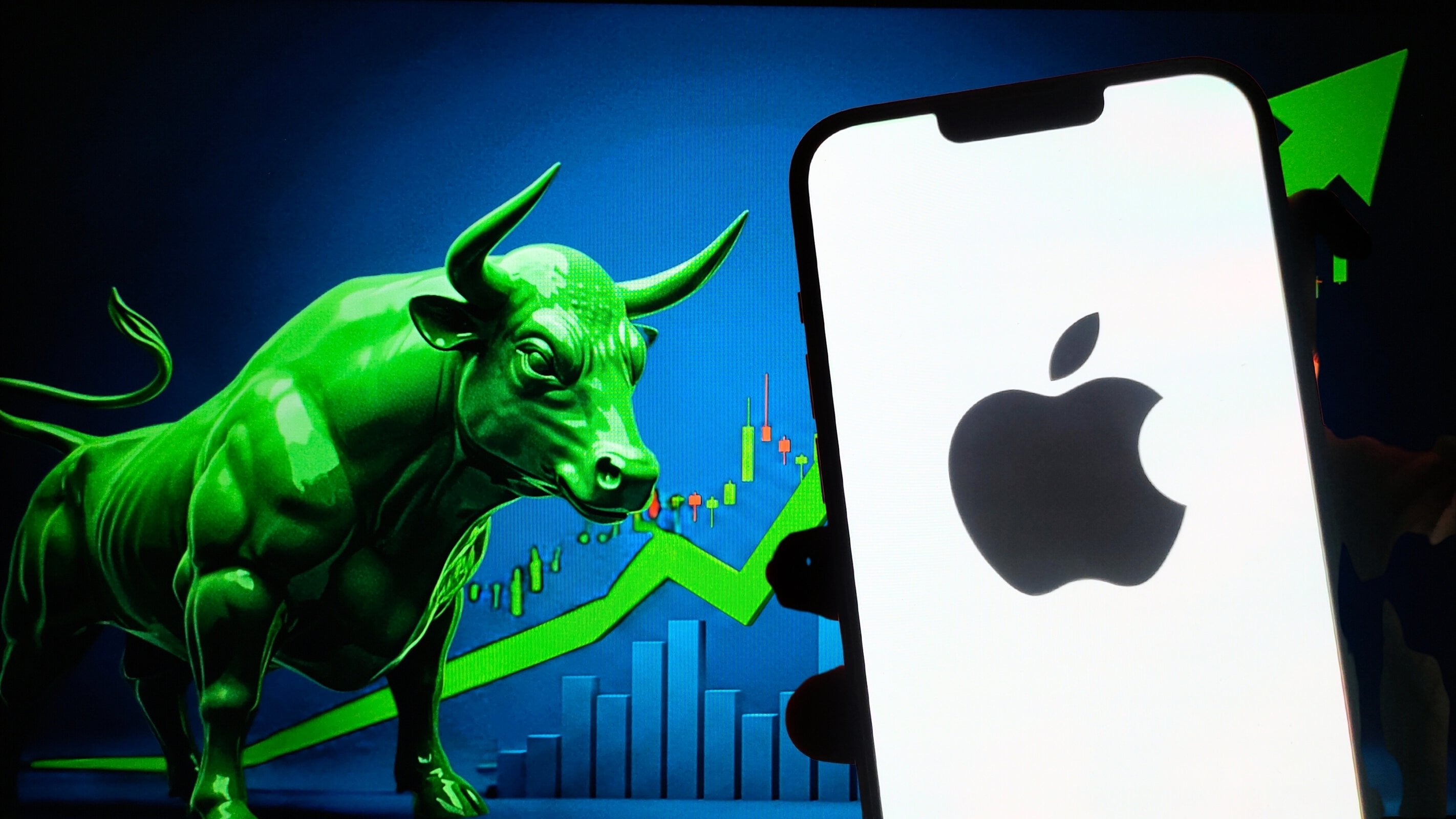
NEW YORK — In one of the most spectacular turnarounds in modern financial history, the elite cohort of mega-cap technology stocks known as the "Magnificent Seven" has scaled new, unprecedented heights. Just months after a brutal early 2026 selloff wiped trillions of dollars in market value and triggered widespread panic about the end of the artificial intelligence boom, the tech giants have staged a definitive, historic comeback.
As of late September 2026, the combined market capitalization of Apple, Microsoft, Alphabet, Amazon, Nvidia, Meta Platforms, and Tesla has surged past previous records. This astonishing recovery has not only vindicated long-term bulls but has also fundamentally reshaped market sentiment, proving that institutional demand for dominant tech platforms remains virtually insatiable.
The Great Rebound: From Panic to Peak
The first half of 2026 will be remembered by Wall Street traders as a period of intense volatility. Following a breathless multi-year run, the Magnificent Seven faced a coordinated wave of profit-taking, hawkish central bank rhetoric, and mounting skepticism regarding the immediate return on investment (ROI) of massive AI capital expenditures. From January through May, the group suffered a painful draw-down that saw some member stocks plunge up to 30% from their previous peaks. Bears declared the tech bubble officially burst.
However, the narrative shifted dramatically during the summer. A series of blowout quarterly earnings reports, coupled with concrete evidence of enterprise AI monetization, sparked an aggressive short-squeeze and a wave of institutional accumulation. The "brutal early 2026 selloff," as noted by market data provider 24/7 Wall St., proved to be a massive bear trap, shaking out weak hands before the next leg of the secular bull market.
The Anatomy of the Comeback: What Fueled the Rally?
According to institutional trading desks in New York and London, this historic run to all-time highs was not driven by mere speculation. Instead, it was underpinned by three critical macroeconomic and corporate catalysts:
- Concrete AI Revenue Streams: Unlike the speculative fervor of 2024 and 2025, the third-quarter earnings of 2026 demonstrated that software, cloud computing, and hardware companies are successfully turning AI capabilities into subscription-based, high-margin revenue.
- Monetary Policy Tailwinds: As inflation stabilized closer to central bank targets, the Federal Reserve and global counterparts adopted a more accommodative stance, lowering capital costs and boosting valuations for growth-oriented assets.
- Unrivaled Balance Sheet Strength: In an uncertain macroeconomic landscape, the massive free cash flows generated by the Magnificent Seven positioned them as the ultimate safe havens for institutional capital.
By the Numbers: The Magnificent Seven's Stunning Recovery
The sheer scale of the recovery is best understood through the hard data. The table below outlines the estimated performance of each member from their early 2026 troughs to the historic peaks achieved on September 22, 2026.
| Company (Ticker) | Approx. Q2 2026 Trough ($) | Sept 22, 2026 Peak ($) | Recovery Gain (%) | Primary Growth Driver |
|---|---|---|---|---|
| Nvidia (NVDA) | $95.00 | $158.50 | +66.8% | Next-gen architecture dominance & data center demand |
| Microsoft (MSFT) | $380.00 | $495.00 | +30.3% | Copilot commercial adoption & Azure growth |
| Apple (AAPL) | $175.00 | $242.00 | +38.3% | AI-integrated hardware upgrade cycle |
| Alphabet (GOOGL) | $145.00 | $198.00 | +36.5% | AI-driven search monetization & cloud profitability |
| Amazon (AMZN) | $160.00 | $225.00 | +40.6% | AWS acceleration and retail automation margins |
| Meta Platforms (META) | $410.00 | $565.00 | +37.8% | AI-powered ad targeting and conversational commerce |
| Tesla (TSLA) | $155.00 | $268.00 | +72.9% | Full Self-Driving (FSD) licensing and energy storage |
The Institutional Perspective: Inside the Trading Desks
"What we witnessed in early 2026 was a classic valuation digestion cycle," noted a Senior Equity Strategist at a leading Wall Street investment bank. "The market was testing the resolve of tech investors. But once the numbers came in and showed that these seven companies essentially control the digital infrastructure of the global economy, the capital rushed back in. At this point, avoiding these stocks is a career risk for portfolio managers."
Indeed, the concentration of market power remains a double-edged sword. While the surge has pushed major indices like the S&P 500 and the Nasdaq Composite to fresh highs, it has also reignited concerns about market breadth. Some analysts warn that the broader market is increasingly reliant on a handful of mega-caps to sustain the bull run, leaving equities vulnerable to any localized operational shocks within the group.
The Road Ahead: Can the Momentum Hold?
With the Magnificent Seven trading at elevated price-to-earnings multiples once again, the critical question for the remainder of 2026 and heading into 2027 is sustainability. Skeptics argue that the market has priced in perfection, leaving little room for error if macroeconomic growth slows or if regulatory scrutiny intensifies.
However, for now, the momentum is firmly in the bulls' favor. The combination of structural secular trends, superior execution, and massive stock buyback programs suggests that the path of least resistance for Wall Street’s heavyweights remains upward. Having successfully stared down the early 2026 correction, the Magnificent Seven have solidified their status as the undisputed engines of global equity markets.
Frequently Asked Questions (FAQ)
1. What triggered the initial early 2026 selloff for the Magnificent Seven?
The early 2026 correction was primarily driven by high investor expectations, fears over sticky inflation, rising yields, and temporary skepticism regarding the timeline for monetization of multi-billion-dollar AI capital investments. Profit-taking by large institutional funds exacerbated the downward momentum.
2. Is this new high sustainable, or are valuations stretched?
While valuations are undeniably premium, supporters argue they are justified by robust, double-digit earnings growth and unparalleled free cash flow. Unlike the dot-com bubble of 2000, these companies are highly profitable businesses with dominant global moats, though short-term consolidations should always be expected.