Culture Shock, Carts, and Mega-Aisles: How World Cup Tourists Are Turning Everyday America Into Viral Reality TV
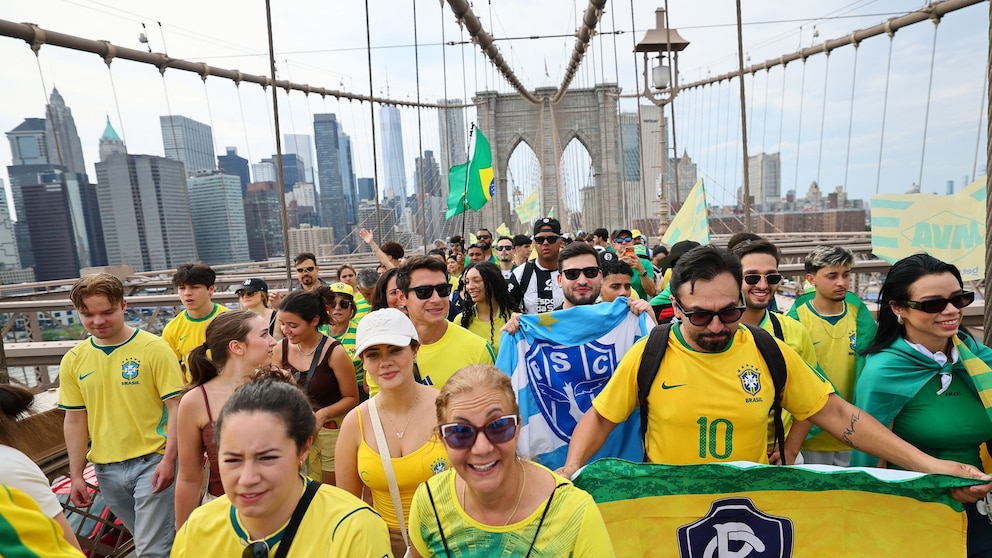
WASHINGTON — When hundreds of thousands of international football supporters descended upon the United States for the 2026 FIFA World Cup, tournament organizers expected a celebration of global sport, high-stakes matches, and unprecedented tourism revenue. What they did not anticipate was that the most viral phenomenon of the tournament wouldn't happen on the pitch, but in the middle of a suburban American supermarket aisle.
Across TikTok, Instagram Reels, and YouTube Shorts, visiting fans from Europe, South America, Asia, and Africa are captivating millions of viewers online not just with matchday highlights, but with sheer, unfiltered astonishment at the mundane realities of everyday American life. From towering mega-stores and cavernous refrigerator doors to the ubiquity of self-checkout lanes and gargantuan vehicle sizes, the tournament has unintentionally sparked a massive cross-cultural dialogue about consumer capitalism in the United States.
The Phenomenon: When the Grocery Store Becomes a Tourist Attraction
According to primary wire reports from ABC News and viral tracking metrics, social media algorithms are being flooded with foreign visitors live-streaming their trips to standard American retail chains. For many travelers coming from dense European capitals or Asian megacities where neighborhood markets are compact and specialized, the sheer scale of American big-box retailers represents an entirely alien dimension.
"We went in to buy a bottle of water and ended up staying for an hour filming rows of cereal boxes that are taller than my children," said Mateo Silva, a traveling fan from Buenos Aires, speaking via video link from a host city. "In Argentina, we have supermarkets, but this is a stadium for groceries. You need a map just to find the dairy section."
Videos capturing these reactions are regularly shattering engagement metrics, pulling in tens of millions of views. Creators are treating aisles of breakfast cereals, massive tubs of mayonnaise, and endless walls of carbonated beverages with the reverence usually reserved for historical monuments or art galleries.
Key Drivers Behind the Viral Wave
- The Scale Shock: Unprecedented container sizes, family-pack portions, and expansive parking lots that dwarf European urban footprints.
- Automation Culture: Fascination and occasional bewilderment at the rapid adoption of self-checkout kiosks and contactless payment systems.
- The Automotive Landscape: Widespread social media commentary regarding the dominance of full-size pickup trucks and SUVs on American roadways.
- Service Hospitality: Viral clips highlighting the enthusiastic, albeit sometimes overwhelming, small talk and customer service protocols common in US retail environments.
Economic and Cultural Implications
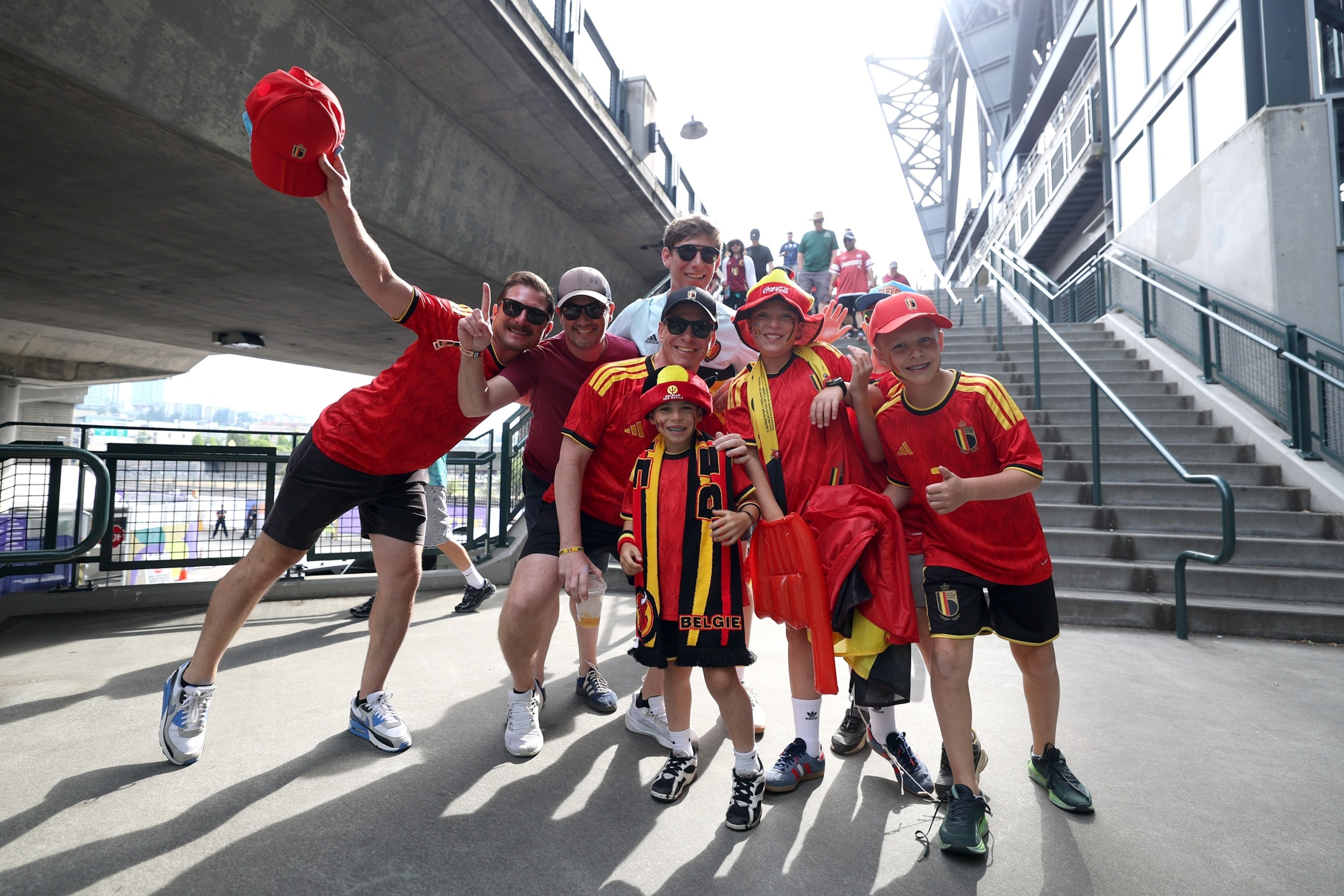
While the videos carry an undeniable comedic element, economists and cultural analysts point out that this digital trend highlights deep-seated differences in infrastructure, consumer habits, and supply chain economies between the US and the rest of the world. The American retail market, built on low-density suburban planning and automobile dependency, offers a stark contrast to the pedestrian-friendly, neighborhood-centric commerce prevalent in many global cities hosting teams.
Furthermore, local businesses and tourism boards are beginning to recognize the marketing power of these organic reviews. Retail stock prices and foot-traffic analytics near official fan zones show a noticeable bump as curious tourists venture off the beaten path to experience American consumerism firsthand.
| Category | International Norm | US Reality (Viral Focus) |
|---|---|---|
| Retail Footprint | Compact, urban neighborhood markets | Massive big-box centers with vast parking acreage |
| Product Packaging | Single-serving or daily-use quantities | Wholesale bulk sizing and multi-gallon containers |
| Payment Methods | Chip-and-PIN / Mobile-first European systems | Widespread self-checkout and digital-first kiosks |
| Transportation | Public transit, cycling, and walking | Six-lane highways and oversized utility vehicles |
What’s Next for the Tournament and Content Creators?
As the 2026 World Cup knockout stages approach and millions more fans travel between host cities across North America, the trend shows no signs of slowing down. Digital creators are now proactively seeking out uniquely American quirks—from diner menus featuring endless coffee refills to the intricacies of American high school football stadiums—to satisfy their home audiences' appetite for cultural comparison.
Ultimately, the tournament is proving that global sports events are about much more than the final score. They serve as grand cultural exchanges where the ordinary becomes extraordinary through the eyes of a visitor, bridging continents one viral grocery store tour at a time.
Frequently Asked Questions
Why are World Cup visitors focusing on everyday American life?
While matches take place in state-of-the-art stadiums, fans spend the majority of their downtime navigating local neighborhoods, grocery stores, and transport networks. The sharp contrasts between American consumer infrastructure and their home countries make for highly engaging, relatable, and humorous social media content.
Which platforms are driving this viral trend?
Short-form video platforms including TikTok, Instagram Reels, and YouTube Shorts are leading the wave, allowing international fans to broadcast immediate, unscripted reactions to millions of global viewers in real time.