Executive Takeaways
- Strategic Capital Allocation: Apple is leveraging its vertically integrated ecosystem—anchored by the Apple Watch and iCloud cloud compute architecture—to transition Fitness+ from casual living-room content into heavy-duty, data-driven gym infrastructure.
- Disrupting Legacy Fitness: The new Gym Strength program introduces hyper-personalized workout plans, targeting high-margin enterprise wellness markets currently dominated by commercial gym chains and boutique fitness franchises.
- Ecosystem Lock-In and Valuation Multiples: By capturing granular biomechanical and progressive overload metrics, Apple deepens user retention, reinforcing the sticky hardware-to-services flywheel that underpins its long-term valuation multiples.
- Regulatory and Privacy Compliance: As health data monetisation faces stringent global scrutiny, Apple’s on-device machine learning and rigorous regulatory compliance serve as a formidable competitive moat against ad-driven rivals.
CUPERTINO & NEW YORK — In a calculated move that sends tremors through the global health, wellness, and fitness club industries, Apple Inc. has officially announced the expansion of its Fitness+ ecosystem: a dedicated "Gym Strength" program featuring advanced, personalized workout plans. For an executive suite that closely monitors capital allocation, customer acquisition costs (CAC), and lifetime value (LTV) metrics, this announcement is far more than a software update for casual exercisers. It represents a direct, aggressive push into the commercial gym environment, systematically dismantling the traditional moats of legacy fitness operators and boutique franchises.
For years, Wall Street analysts have debated the limits of the digital fitness market. Following the post-pandemic correction of home-centric equipment makers and streaming platforms, the prevailing market consensus suggested a permanent bifurcation: consumers would use apps for convenience at home, but rely on brick-and-mortar facilities for heavy lifting, community, and specialized equipment. Apple’s Gym Strength initiative shatters this dichotomy. By deploying sophisticated machine learning algorithms capable of mapping progressive overload, dynamic rep-tracking, and customized split routines inside commercial facilities, Apple is effectively bridging the gap between hardware utility and heavy resistance training.
The Catalytic Shift: Moving from Living Rooms to Commercial Gym Floors
Test Our Free AI & Tech Utilities Suite
Calculate LLM API token costs, analyze article dwell-time, or simulate tech DCA returns.
To understand the profound market implications of Apple’s latest rollout, one must examine the structural evolution of Apple Fitness+ since its debut in December 2020. Initially conceived as a companion service to drive Apple Watch adoption during a period of shifting consumer habits, Fitness+ focused primarily on high-intensity interval training (HIIT), yoga, cycling, and bodyweight floor exercises—activities easily executed in limited residential spaces.
However, enterprise ROI demands continuous expansion into high-value engagement categories. Resistance training represents the cornerstone of the multi-billion-dollar physical fitness industry. By introducing structured, personalized gym programs designed specifically for use with commercial-grade barbells, dumbells, and cable machines, Apple is targeting the most dedicated segment of the fitness consumer base: progressive strength trainees who traditionally bypassed digital subscription models in favor of specialized coaching or proprietary gym management apps.
From an infrastructure scalability perspective, the new program relies heavily on enhanced on-device sensor fusion. The Apple Watch’s gyroscope, accelerometer, and optical heart rate sensors now communicate in real-time with cloud compute architecture to analyze movement velocity, range of motion, and fatigue levels. This closed-loop data feedback mechanism enables the system to dynamically adjust volume and intensity recommendations week over week—a capability that traditionally required the services of a certified human personal trainer.
Data Breakdown: Core Specifications and Market Metrics
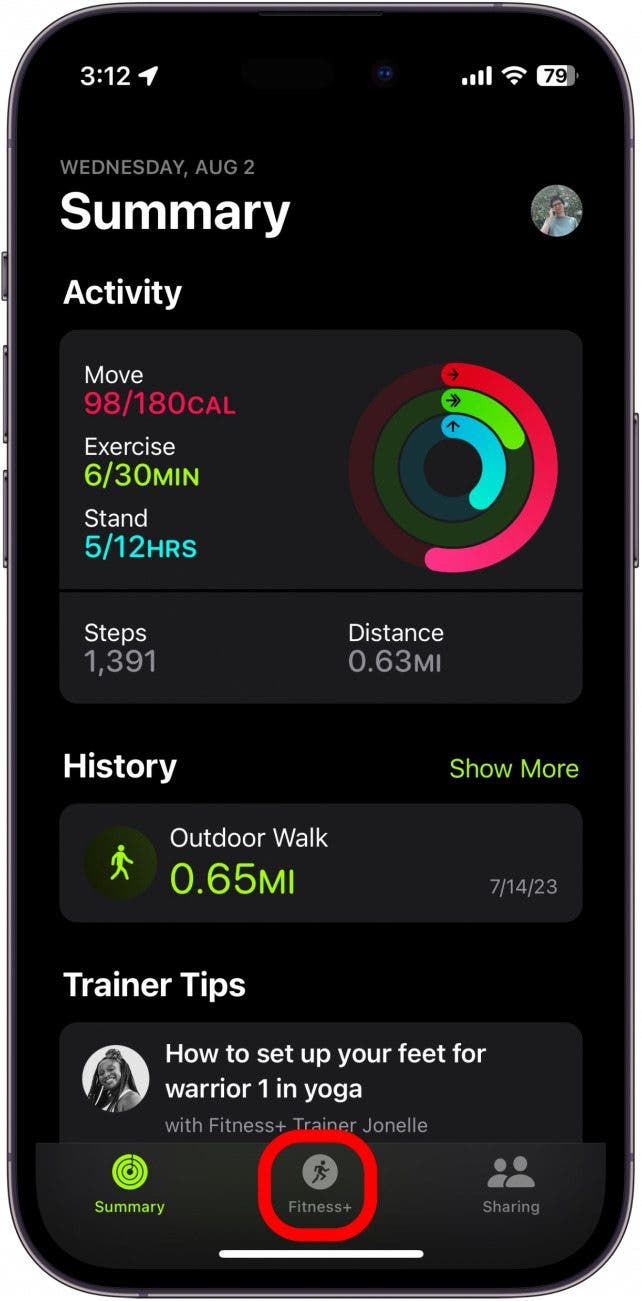
A rigorous examination of the new program’s parameters reveals how Apple intends to capture market share across diverse demographic segments and price points.
| Feature / Metric | Legacy Fitness+ Model | New Gym Strength Program | Strategic Impact |
|---|---|---|---|
| Target Environment | Home / Living Room | Commercial Gyms & Home Gyms | Expands total addressable market (TAM) into heavy resistance training. |
| Personalization Engine | Curated playlists & standard filters | ML-driven progressive overload & split planning | Replicates 1-on-1 personal training at scale. |
| Hardware Integration | Apple Watch basic metrics (HR, Active Calories) | Advanced sensor fusion & velocity-based tracking | Drives high-margin Apple Watch Ultra and Series hardware upgrades. |
| Monetization & LTV | Standard $9.99/mo or Apple One bundle | Deepened ecosystem stickiness & churn reduction | Improves services revenue predictability and margin expansion. |
Industry & Market Implications: Winners, Losers, and Economic Realities
The introduction of Apple’s Gym Strength program triggers immediate ripples across the global financial landscape, forcing a realignment of competitive strategies among key industry stakeholders.
The Winners
- Apple Inc. Shareholders: The services division continues to expand its gross margin profile. By increasing the utility of the Apple Watch in commercial gym settings, Apple secures a powerful catalyst for hardware refresh cycles.
- Data-Centric Consumers: Fitness enthusiasts gain access to institutional-grade programming and analytics without incurring the prohibitive costs associated with elite human coaching or proprietary smart-gym equipment.
- Privacy-Focused Health Tech: Apple’s unwavering stance on regulatory compliance and end-to-end encryption sets a gold standard, appealing to consumers wary of third-party data aggregation.
The Losers
- Boutique Digital Fitness Apps: Single-purpose workout tracking applications and generic streaming platforms face severe customer acquisition headwinds against an integrated ecosystem giant.
- Traditional Personal Trainers (Lower Tier): Generalist trainers who rely on basic program design and rudimentary rep-counting find their value proposition directly threatened by algorithmic personalization.
- Legacy Gym Software Providers: Proprietary in-app gym tracking systems offered by fitness chains risk obsolescence as consumers consolidate their health metrics within the Apple Health application.
From a macroeconomic perspective, this move underscores the relentless convergence of consumer technology and preventive healthcare. Institutional investors increasingly value technology conglomerates that can successfully monetize health outcomes, potentially opening doors for future enterprise partnerships with corporate wellness providers, health insurance underwriters, and employer-sponsored health initiatives.
Frequently Asked Questions (People Also Ask)
How does the Apple Fitness+ Gym Strength program personalize workouts?
The program utilizes advanced machine learning algorithms combined with continuous biometric data captured via the Apple Watch. It evaluates user fatigue, historical workout volume, and recovery metrics to dynamically generate progressive overload routines, adjusting weight, set counts, and rep ranges over time to match individual goals.
Do I need specialized equipment to use Gym Strength?
While the program is optimized for commercial gym environments containing standard resistance equipment—such as dumbbells, barbells, cable machines, and weight benches—workouts can also be scaled for well-equipped home gyms depending on the user's available inventory.
How does this program integrate with the broader Apple Health ecosystem?
All workout data, resistance levels, active energy burned, and cardiovascular metrics are automatically synchronized with the Apple Health app. This provides users—and optionally, their authorized healthcare providers or insurance wellness programs—with a comprehensive longitudinal record of physical performance and recovery.
Is Gym Strength included in existing Apple Fitness+ subscriptions or Apple One?
Yes. The Gym Strength program is rolled out as an integrated feature within standard Apple Fitness+ subscriptions, which are also included at no additional cost in the high-tier Apple One Premier bundle, reinforcing the overall value proposition of Apple’s subscription services.
Future Outlook: Strategic Milestones to Watch
As Apple continues to scale its health and fitness initiatives, market analysts and investigative editors will monitor several critical milestones over the next 12 to 24 months:
- Enterprise Health Integration: Watch for potential API expansions or enterprise-focused tier rollouts targeting corporate self-insured employers looking to integrate Apple Fitness metrics into employee wellness premium discounts.
- Biometric Sensor Advancements: Anticipate future hardware iterations of the Apple Watch featuring non-invasive physiological monitoring capabilities (such as hydration or advanced lactate threshold tracking) that will feed directly into the Gym Strength algorithm.
- Regulatory Scrutiny and Antitrust Dynamics: As Apple deepens its vertical integration across hardware, software, and health analytics, regulatory bodies in the European Union and North America will likely scrutinize data-sharing practices and competitive access to Apple Health APIs.
Ultimately, Apple’s Gym Strength program is a masterclass in ecosystem defense and expansion. By transforming the commercial gym floor into an extension of its digital empire, Apple is not merely launching another workout feature—it is fortifying a trillion-dollar moat that will define the future of human performance and digital health.