Executive Takeaways
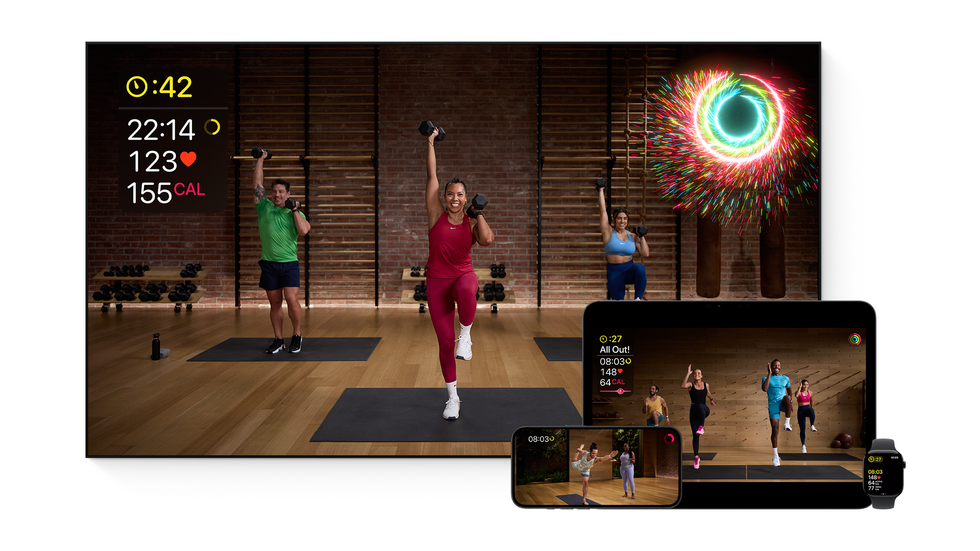
- Strategic Expansion: Apple is scaling its Fitness+ ecosystem beyond the living room, targeting commercial brick-and-mortar gym floors with an advanced, data-driven "Gym Strength" program.
- Personalized Compute Architecture: Leveraging on-device machine learning and Apple Watch sensor telemetry, the platform dynamically recalibrates resistance profiles and volume metrics in real time.
- Ecosystem Lock-In & Margin Defense: This capital allocation strategy aims to drive hardware upgrade cycles and secure higher-margin recurring software revenue against entrenched incumbents like Peloton, Nike, and boutique fitness chains.
Monetization & Valuation Impact: Wall Street analysts view the move as a crucial catalyst for increasing average revenue per user (ARPU) within Apple’s Services division, directly influencing long-term valuation multiples.
In the high-stakes theater of consumer technology and digital health, Apple Inc. is once again rewriting the playbook. By formally unveiling the Fitness+ Gym Strength program featuring hyper-personalized workout architectures, Cupertino is executing a calculated assault on the traditional physical fitness paradigm. For years, Apple’s health and wellness strategy remained tethered to the domestic sphere—guiding users through yoga flows, high-intensity interval training (HIIT), and treadmill runs within the confines of their homes or offices. Today, the introduction of Gym Strength marks a structural bridge between consumer-grade wearable intelligence and the heavy-iron infrastructure of commercial gymnasiums.
This investigative report breaks down the catalytic events driving Apple’s latest ecosystem expansion, analyzes the underlying cloud compute and sensor architecture, evaluates the broader market liquidity and competitive implications for rival fitness conglomerates, and outlines what this strategic maneuver means for enterprise ROI and investor portfolios.
The Catalytic Shift: Moving from Living Rooms to Commercial Gym Floors
Test Our Free AI & Tech Utilities Suite
Calculate LLM API token costs, analyze article dwell-time, or simulate tech DCA returns.
The genesis of Fitness+ in late 2020 was initially interpreted by market skeptics as a defensive play against pandemic-era fitness disruptors. However, as global populations returned to corporate offices and commercial fitness facilities, Apple’s internal product roadmap pivoted toward a hybrid model. Industry data reveals a persistent friction point: while Apple Watch users collected granular telemetry data on cardiovascular exertion and daily caloric burn, heavy resistance training—the cornerstone of modern physical conditioning—lacked deep, real-time software integration.
The Gym Strength program directly addresses this deficit. By deploying advanced gyroscopic and accelerometer algorithms native to watchOS, combined with machine learning models trained on millions of biomechanical data points, Apple has engineered a system that recognizes specific barbell, dumbbell, and machine movements automatically. When a user steps onto a gym floor, the system does not merely track heart rate; it counts repetitions, estimates weight loads based on historical velocity profiles, and dynamically adjusts recovery intervals.
This operational pivot reflects sophisticated capital allocation. Rather than investing billions in physical real estate or acquiring struggling brick-and-mortar gym franchises—a path littered with corporate write-downs—Apple is weaponizing its existing hardware footprint. By leveraging the installed base of over two billion active Apple devices, the company can deploy software updates that instantly transform iPhones and Apple Watches into personal strength coaches, completely bypassing the capital expenditure hurdles faced by traditional fitness chains.
Deconstructing the Technology: Cloud Compute, Telemetry, and Privacy
From an engineering perspective, the Gym Strength rollout represents a masterclass in localized machine learning and infrastructure scalability. Unlike cloud-heavy competitors that stream massive video files and rely on continuous server-side compute, Apple’s architecture relies heavily on on-device processing via the Neural Engine embedded in the Apple Watch and iPhone.
When executing complex resistance movements, user privacy remains a core regulatory compliance pillar. Health metrics and biometric identifiers are processed locally to adhere to stringent global data protection frameworks, mitigating regulatory scrutiny across the European Union and North America. Only anonymized, aggregated performance vectors are looped back into the broader ecosystem to refine algorithmic accuracy—a risk mitigation strategy designed to insulate Apple from data breach liabilities.
Furthermore, the program introduces custom-tailored progressive overload algorithms. Traditional workout routines often suffer from plateaus due to static programming. Apple’s software continuously evaluates volume-load metrics, systematically recommending weight increments or rep modifications based on sleep data, resting heart rate variability (HRV), and previous session fatigue indexes captured by the Apple Watch.
Verified Data & Metrics Breakdown
To understand the commercial gravity of Apple’s expansion into structured resistance training, we must examine the comparative metrics governing the digital fitness and wearable technology sectors:
| Metric / Parameter | Legacy Fitness Apps | Peloton / Connected Hardware | Apple Fitness+ (Gym Strength) |
|---|---|---|---|
| Hardware Dependency | Smartphone / Tablet agnostic | Proprietary bikes / treads required | Apple Watch & iPhone ecosystem |
| Real-Time Biometric Feedback | Basic (Heart Rate only) | Advanced (Output, Cadence) | Comprehensive (HRV, Velocity, Rep Tracking) |
| Target Environment | Home / Gym agnostic | Primarily Domestic / In-Home | Commercial Gyms & Heavy Lifting Zones |
| Monetization Model | Ad-supported / Monthly SaaS | High-cost hardware + $44/mo sub | $9.99/mo SaaS or Apple One Bundle |
| Compute Architecture | Cloud-dependent | Cloud-streamed video & metrics | Hybrid: On-Device Neural Engine + Cloud Sync |
Industry & Market Implications: Ecosystem Lock-In and Competitive Fallout
The financial ramifications of the Gym Strength launch extend far beyond casual fitness enthusiasts. Wall Street equity researchers view Services revenue growth as the primary driver for Apple’s valuation multiples, insulating the tech giant from hardware cyclicality. By bundling Fitness+ within the higher-tier Apple One subscriptions, Cupertino successfully increases average revenue per user (ARPU) while simultaneously fortifying the moat surrounding the Apple Watch.
Who Wins:
- Apple Inc.: Secures deeper recurring software revenue streams and enhances hardware retention rates. Users embedded in the Fitness+ ecosystem exhibit significantly lower churn rates when contemplating smartphone or wearable upgrades.
- Wearable Sensor Manufacturers & Component Suppliers: Advanced motion tracking requirements validate ongoing capital expenditures in specialized micro-electro-mechanical systems (MEMS) and biometric sensor arrays.
- Consumers: Gain access to institutional-grade strength coaching protocols without incurring the prohibitive costs associated with personal trainers or specialized boutique gym memberships.
Who Loses:
- Standalone Digital Fitness Apps: Boutique apps focusing exclusively on strength tracking or generic workout logging face severe customer acquisition headwinds against a deeply integrated operating system feature.
- Traditional Connected Fitness Hardware Brands: Companies that built their valuations on proprietary in-home hardware now face a competitor that turns any commercial gym into a connected ecosystem via a device already strapped to the user's wrist.
- Commercial Personal Trainers: While high-end, bespoke coaching will retain value, generic floor trainers whose primary offering is basic routine generation face margin compression as automated, data-driven personalization scales globally.
Frequently Asked Questions (People Also Ask)
How does Apple Fitness+ Gym Strength track weightlifting movements without external sensors?
The system utilizes the advanced inertial measurement units (IMUs), gyroscopes, and accelerometers built into the Apple Watch. Combined with on-device machine learning models, the software analyzes arm movement trajectories, velocity, and deceleration patterns to automatically identify specific resistance exercises, count repetitions, and estimate volume loads.
Is a proprietary gym machine required to use the Gym Strength program?
No. One of Apple’s core competitive advantages is hardware agnosticism regarding gym infrastructure. The program is designed to function with standard free weights (dumbbells, barbells, kettlebells) and conventional cable or selectorized machines found in any commercial gymnasium.
How does the personalization algorithm adapt to user fatigue?
The platform aggregates continuous telemetry data—including resting heart rate, heart rate variability (HRV), sleep duration and quality, and previous workout volume—to calculate a daily readiness score. The software then dynamically scales recommended weight increments and rest periods to prevent overtraining and reduce injury risks.
What is the cost structure of Fitness+ Gym Strength, and is it included in Apple One?
Fitness+ is priced independently at $9.99 per month or $79.99 annually. However, it is fully included at no additional recurring cost within the top-tier Apple One Premier subscription bundle, driving cross-service adoption across iCloud storage, Apple Music, and Apple TV+.
Future Outlook: Strategic Milestones to Watch
As Apple continues to iterate on its health and fitness roadmap, industry analysts and institutional investors will monitor several key performance indicators over the next 12 to 24 months. First, watch for deeper enterprise partnerships, specifically regarding corporate wellness programs where insurers incentivize employees via Apple Watch activity rings and structured strength metrics.
Second, observe how medical and clinical research institutions leverage the granular movement telemetry generated by Gym Strength. The potential to map musculoskeletal health, rehabilitation progress, and age-related muscle mass retention (sarcopenia) opens lucrative avenues into preventative healthcare and digital therapeutics.
Ultimately, Apple’s Fitness+ Gym Strength program is more than just a software update; it is a calculated structural expansion designed to dominate the global wellness economy. By seamlessly merging hardware intelligence with the physical realities of commercial gym floors, Apple has once again demonstrated how robust infrastructure scalability and meticulous ecosystem design can reshape entire industries.