Executive Takeaways
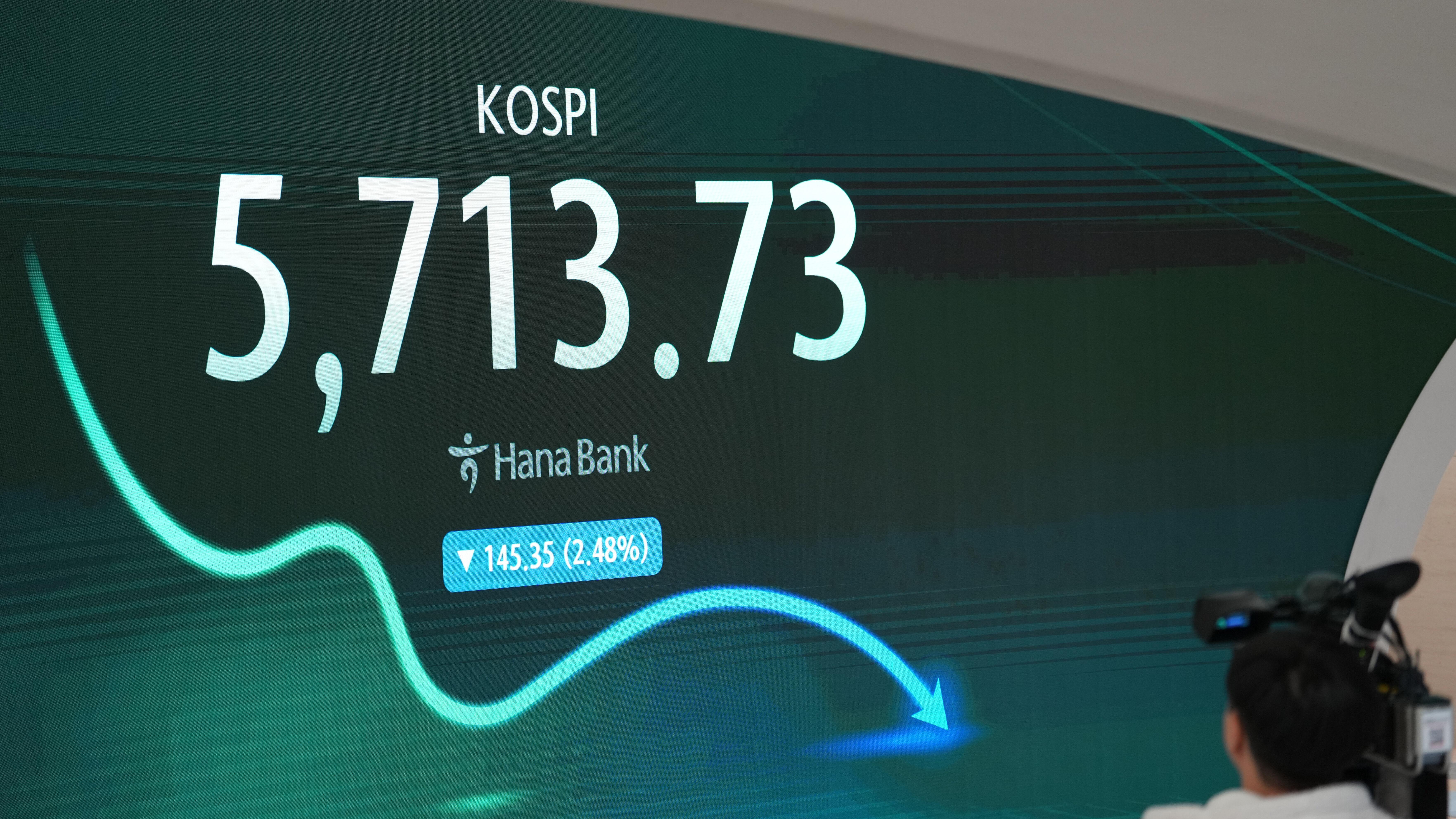
- Tech Correction Accelerates: Semiconductor bellwethers and high-beta growth equities across Tokyo, Seoul, and Taipei faced aggressive capital rotation, pressured by tightening valuation multiples and cooling global cloud compute expenditure forecasts.
- Energy Rebound Buffers Losses: Brent and WTI crude futures rallied sharply, providing a natural floor for energy-heavy indices in Southeast Asia and Australia as geopolitical risk premiums re-enter commodities trading.
- Capital Allocation Shift: Institutional asset managers are rapidly executing risk mitigation strategies, reallocating capital away from high-multiple growth assets toward defensive income-generating sectors and liquid short-duration debt instruments.
- Macroeconomic Crosscurrents: Central bank policy divergence across the Pacific is exacerbating currency volatility, complicating cross-border capital flows and hedging strategies for multinational corporations.
TOKYO, SINGAPORE, HONG KONG — Asian equity markets presented a fractured dashboard in Tuesday's trading session, characterized by a deepening valuation contraction in regional technology leaders running parallel to a robust recovery in global energy prices. As macro headwinds converge with shifting corporate guidance, institutional desks are forced into rigorous portfolio rebalancing. The ongoing liquidation in high-flying semiconductor manufacturers and consumer electronics suppliers highlights a broader reassessment of enterprise ROI, infrastructure scalability, and forward-looking earnings projections.
Simultaneously, renewed supply-side pressures in the Middle East drove a sharp rebound in crude oil futures, injecting fresh volatility into energy-importing economies while offering a temporary reprieve for major oil exporters. This bifurcation underscores an increasingly complex operating environment for chief financial officers, institutional investors, and sovereign wealth allocators navigating an era of persistent macroeconomic uncertainty and tightening liquidity conditions.
The Anatomy of the Asian Tech Sell-Off
Test Our Free AI & Tech Utilities Suite
Calculate LLM API token costs, analyze article dwell-time, or simulate tech DCA returns.
The correction in Asian technology equities is no longer a localized phenomenon but a synchronized retreat driven by compressed valuation multiples and profit-taking after consecutive quarters of aggressive capital appreciation. Market participants point to a recalibration of growth expectations tied to artificial intelligence hardware deployment, enterprise cloud compute architecture, and consumer electronics demand.
In Seoul, benchmark index heavyweights faced intense selling pressure as foreign institutional investors adjusted their long positions. Taiwan’s primary foundry complex saw heavy volume as risk-off sentiment dominated the trading floor, pulling down regional component suppliers. Analysts note that while underlying secular demand for advanced node semiconductors remains intact, the near-term visibility of enterprise return on investment has clouded. Corporate buyers are scrutinizing capital expenditure budgets, delaying large-scale digital transformation initiatives until macroeconomic indicators offer clearer signals regarding global demand.
Furthermore, regulatory compliance burdens and shifting cross-border trade policies continue to weigh on semiconductor supply chains. The friction between cost optimization and geopolitical risk mitigation is forcing executive boards to restructure their operational footprints, incurring higher baseline expenditures that ultimately compress operating margins.
Energy Markets Rebound Amid Supply Friction

While technology shares absorbed heavy selling, energy complexes across Asia and international benchmarks experienced a decisive reversal. Crude oil prices climbed more than 2% following fresh geopolitical tensions in the Middle East and revised inventory data from key maritime transit chokepoints.
For resource-dependent economies such as Japan and South Korea, the rebound in energy prices acts as an immediate tax on industrial production and consumer purchasing power, compounding inflationary pressures that central banks have struggled to tame. Conversely, regional energy conglomerates and state-backed oil producers in Southeast Asia witnessed strong buying interest, providing vital cushioning for broader market indices that would otherwise have suffered deeper losses.
The energy-tech divergence highlights a classic sectoral rotation. Portfolio managers are trimming exposure to overextended growth equities and redeploying liquidity into tangible asset classes that offer natural inflation hedges and robust cash flow generation.
Verified Market Metrics & Asset Performance Breakdown
| Asset Class / Index | Current Session Movement | Primary Catalytic Driver | Institutional Impact |
|---|---|---|---|
| Regional Tech Index | -2.4% to -3.8% | Valuation compression, cooling cloud capex | Aggressive profit-taking, duration trimming |
| Brent Crude Futures | +2.1% | Middle East supply friction, inventory drawdowns | Sector rotation into energy, margin pressure on industrials |
| Regional FX (USD/Asian Currencies) | Mixed / Slight Depreciation | Persistent Fed rate differentials, capital flight | Elevated hedging costs, corporate FX exposure risks |
| Defensive / Utilities Sector | +0.8% to +1.5% | Flight to safety, reliable dividend yield demand | Capital reallocation, defensive risk mitigation |
Industry & Market Implications: Who Wins and Who Loses
The friction currently observable in Asian financial markets is rapidly filtering down to corporate balance sheets, dictating distinct winners and losers across global value chains.
The Losers: High-Beta Tech and Capital-Intensive Manufacturers. Companies reliant on continuous external funding and aggressive valuation multiples are bearing the brunt of the correction. Venture capital and private equity sponsors are tightening underwriting standards, making secondary offerings and initial public offerings increasingly difficult to execute. Furthermore, manufacturers dependent on uninterrupted, low-cost energy inputs face margin squeeze as utility and fuel expenses tick upward.
The Winners: Energy Majors, Commodity Traders, and Defensive Yield Plays. Upstream oil and gas producers, alongside diversified mining conglomerates, are capturing robust cash flows from the commodity rebound. Simultaneously, institutional asset managers prioritizing capital preservation are channeling liquidity into highly liquid, defensive sectors—such as telecommunications, utilities, and high-grade sovereign fixed income—that provide reliable cash distributions amidst market turbulence.
Frequently Asked Questions (People Also Ask)
Why are Asian tech stocks experiencing a severe sell-off?
The pullback in Asian technology shares is primarily driven by valuation multiple normalization, reduced visibility on enterprise cloud compute spending, and profit-taking after prolonged rallies. Investors are re-evaluating whether corporate capital expenditures in artificial intelligence hardware and advanced semiconductors will yield immediate return on investment.
What is driving the recent rebound in global oil prices?
Crude oil prices have recovered due to escalating geopolitical tensions in the Middle East, which have heightened supply disruption fears, alongside tighter-than-expected commercial inventory data in major consumer hubs. This resurgence provides short-term support for energy equities while increasing cost pressures for industrial importers.
How are institutional investors adjusting their portfolios in response?
Institutional asset managers are actively executing risk mitigation strategies. This involves rotating capital out of high-beta growth equities and into defensive, cash-generating sectors, commodities, and short-duration fixed-income instruments to protect portfolios against heightened volatility and currency fluctuations.
What are the broader macroeconomic consequences for Asian economies?
The combination of declining technology export revenues and rising energy import costs creates a dual headstock for net-importer economies. Central banks must carefully balance currency stability against domestic growth objectives, leading to divergence in regional monetary policy stances.
Future Outlook and Strategic Milestones to Watch
Looking ahead, financial markets will remain highly sensitive to incoming macroeconomic data releases, central bank signaling, and geopolitical developments. Key milestones that executive leadership teams and portfolio managers must monitor include:
- Upcoming Central Bank Policy Meetings: Statements from the Federal Reserve, Bank of Japan, and regional central banks regarding interest rate trajectories and quantitative tightening measures.
- Q3 Corporate Earnings Guidance: Forward-looking statements from major semiconductor foundries and cloud hyperscalers regarding enterprise IT spending and inventory digestion cycles.
- Geopolitical Risk Developments: Diplomatic and security updates concerning Middle Eastern shipping lanes and their direct impact on global crude supply stability.
- Inflation and Currency Metrics: Monthly consumer price index (CPI) prints across Asian economies and their corresponding impact on foreign exchange reserves and capital flows.
Ultimately, while the current market dichotomy presents formidable challenges for growth-oriented equities, it also highlights the critical importance of disciplined capital allocation, robust risk mitigation frameworks, and agile balance sheet management in an increasingly complex global economy.