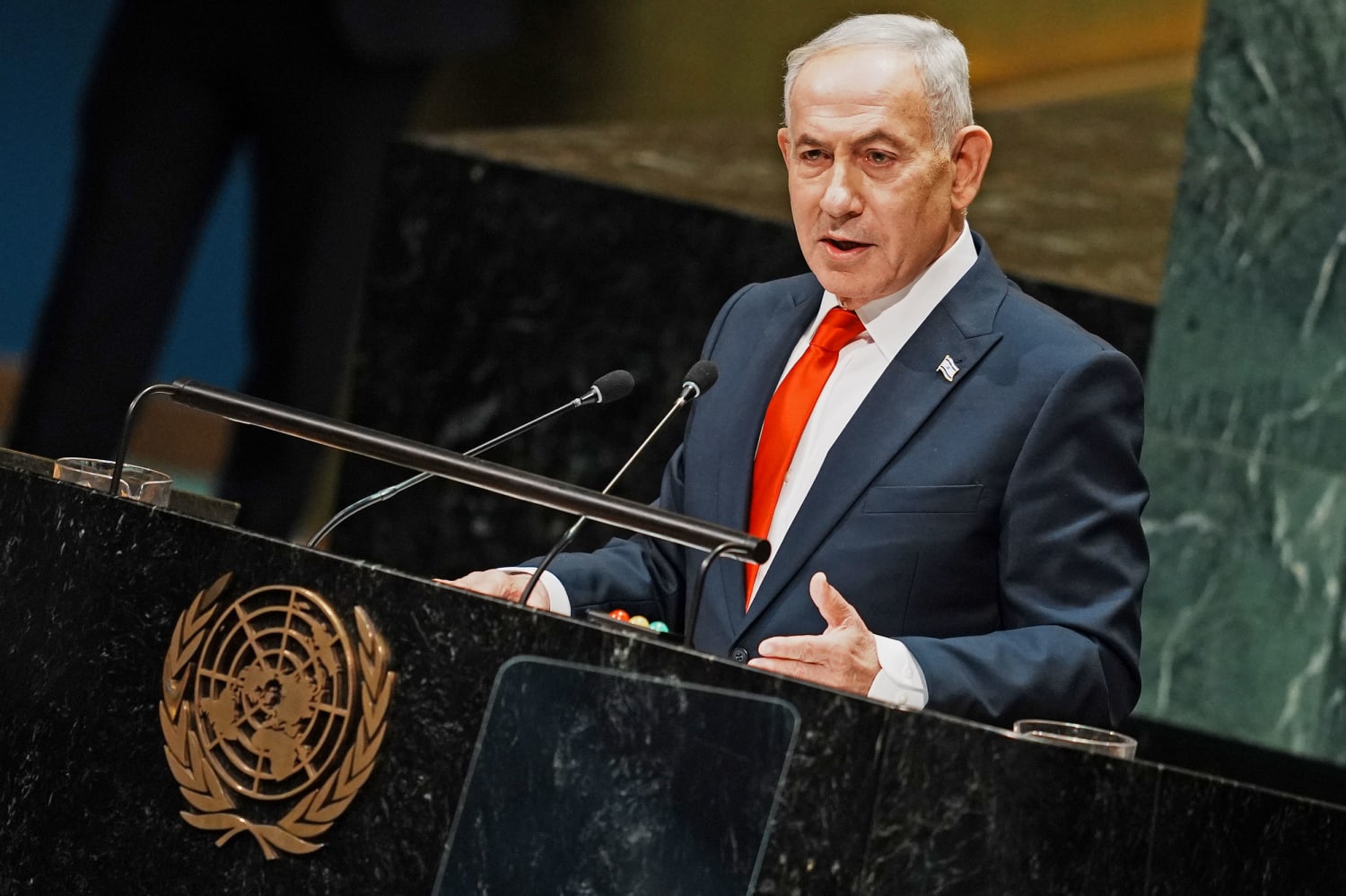
Global Trade Chokehold: 80 Nations Unite at UN to Demand Immediate Reopening of Strait of Hormuz, Condemn Iran and Houthi Aggression
NEW YORK — In a sweeping display of international solidarity and mounting economic anxiety, a coalition of 80 nations convened at the United Nations to issue a stern, unified ultimatum demanding the immediate and unconditional reopening of the Strait of Hormuz. The diplomatic offensive directly targets escalating maritime attacks by Iranian-backed Houthi forces and Tehran’s direct provocations, which have effectively paralyzed one of the world's most critical economic arteries.
The high-stakes diplomatic confrontation comes as global shipping conglomerates, energy traders, and central banks sound the alarm over soaring freight costs and suppressed crude supplies. With trillions of dollars in international commerce hanging in the balance, Western allies and developing economies alike are signaling that the ongoing disruption of the crucial waterway has crossed the threshold from regional conflict to a systemic threat to global macroeconomic stability.
The Diplomatic Front: A Unified Global Rebuke
The emergency diplomatic mobilization at UN headquarters in New York highlights a rare consensus among diverse geopolitical blocs. Representatives from across Europe, North America, Asia, and the Middle East formally tabled a joint declaration condemning the systematic targeting of commercial vessels navigating through Middle Eastern waters.
Diplomatic sources indicate that the coalition represents more than 40% of the UN General Assembly, bringing unprecedented leverage to the negotiation table. Speakers at the emergency session emphasized that the closure or obstruction of the Strait of Hormuz violates fundamental tenets of international maritime law, freedom of navigation, and the peaceful transit of commercial goods.
- Unprecedented Coalition: Roughly 80 member states signed the joint condemnation, isolating Tehran and its regional proxy network.
- Direct Attribution: The resolution explicitly calls out Iranian state actions and Houthi militia operations for weaponizing maritime trade.
- Enforcement Demands: Signatories are pressing for enhanced naval patrols and immediate diplomatic pressure to deter further maritime incursions.
- Economic Ultimatum: The bloc warned of cascading global inflation and energy shortages if maritime traffic is not normalized within days.
Economic Shockwaves: Why the Strait Matters

The Strait of Hormuz is not merely a regional maritime transit route; it is the jugular vein of the global energy supply chain. Flanked by Oman and Iran, this narrow body of water connects the Persian Gulf with the Gulf of Oman and the Arabian Sea. Approximately one-fifth of the world’s petroleum consumption and a massive share of liquefied natural gas (LNG) exports pass through its waters daily.
Following weeks of intensified drone and missile strikes launched from Yemen and suspected Iranian naval harassment, major shipping lines have diverted fleets around the Cape of Good Hope. This detour adds thousands of nautical miles and weeks of transit time to voyages between Asia, Europe, and the Middle East, triggering a domino effect across global supply chains.
Financial markets have responded swiftly to the disruption. Brent crude futures experienced sharp volatility, while marine insurance premiums for vessels operating in the broader Middle East theater skyrocketed to historic highs. Industrial economies dependent on imported energy are already feeling the pinch, threatening to derail fragile post-inflationary recovery cycles in both developed and emerging markets.
Key Metrics at a Glance
| Metric / Indicator | Current Status | Economic Impact |
|---|---|---|
| Global Oil Transit | ~20% of world petroleum supply affected | Upward pressure on global crude prices |
| Participating Nations | 80 UN member states | Unprecedented international diplomatic pressure |
| Primary Disruptors | Houthi militias & Iranian naval assets | Systemic security threat to commercial shipping |
| Shipping Route Adjustments | Widespread diversion around Africa | Extended transit times and soaring freight rates |
Geopolitical Fallout and Future Outlook
The UN intervention raises difficult questions regarding enforcement. While declarations and diplomatic rebukes carry significant moral and political weight, translating them into tactical security on the water remains a formidable challenge. Western naval coalitions, including Operation Prosperity Guardian, have been actively intercepting incoming munitions, but defense officials admit that a purely defensive posture is unsustainable in the long term.
Analysts suggest that the 80-nation bloc may soon consider secondary economic sanctions, targeted asset freezes, and diplomatic expulsions if Tehran fails to rein in Houthi operations. Furthermore, major importing nations in Asia—particularly energy-starved economies heavily reliant on Persian Gulf crude—are increasing pressure behind closed doors to secure maritime guarantees.
As the standoff enters a critical phase, all eyes remain fixed on the maritime horizon. Whether the unified posture of 80 nations can successfully deter further aggression or if the world is bracing for a protracted energy crisis will depend heavily on diplomatic back-channels and the immediate posture of regional actors in the days ahead.
Frequently Asked Questions
Why is the Strait of Hormuz critical to global trade?
The Strait of Hormuz is a vital maritime choke point through which roughly 20% of the world's petroleum and significant quantities of liquefied natural gas pass daily. Any disruption directly impacts global energy supplies, shipping costs, and consumer inflation worldwide.
What are the 80 nations demanding at the United Nations?
The coalition of 80 countries is demanding the immediate and unconditional reopening of the Strait of Hormuz, an end to Houthi attacks on commercial vessels, and accountability for Iranian state actions that threaten international freedom of navigation.