
London Calling: Why the London Stock Exchange Says Azerbaijani Firms Are Ready for Global Capital
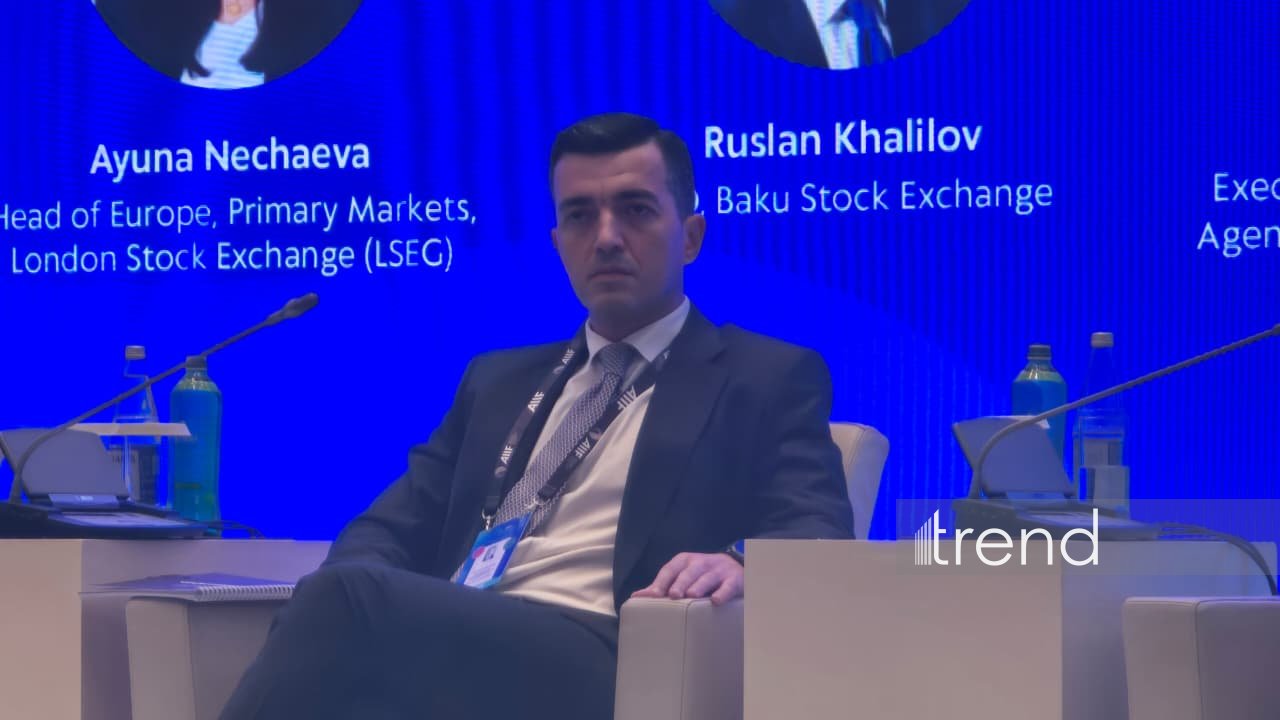
LONDON/BAKU — In a development signaling a major shift in the Caspian region’s economic footprint, the London Stock Exchange (LSE) has officially spotlighted Azerbaijani corporations as possessing robust, untapped potential to access international capital markets. The assessment, underscored during high-profile economic evaluations in late September, places Azerbaijan firmly on the radar of institutional investors, sovereign wealth funds, and global asset managers seeking high-growth frontier and emerging-market opportunities.
For years, Azerbaijan’s corporate landscape has been dominated by state-backed energy giants and traditional banking institutions. However, sweeping regulatory reforms, improved corporate governance standards, and a decisive push toward green energy transition and digital infrastructure have fundamentally altered the investment thesis. According to market analysts and LSE insights, the runway is now cleared for a new wave of Azerbaijani enterprises—spanning logistics, fintech, renewables, and non-oil manufacturing—to eye London’s prestigious main market and specialized debt listings.
The LSE Verdict: What It Means for Emerging Markets
The acknowledgment from London—one of the world's premier financial hubs—validates Baku’s ongoing economic diversification strategy. While hydrocarbons remain a vital pillar of the Azerbaijani economy, the government has aggressively prioritized non-oil sector growth, privatization, and capital market deepening.
Global portfolio managers are perpetually hunting for yield in a volatile macroeconomic environment characterized by fluctuating interest rates and geopolitical realignment. Azerbaijani companies, bolstered by strong sovereign credit ratings, low relative debt-to-GDP ratios, and strategic positioning along the Middle Corridor trade route, present an attractive risk-adjusted proposition.
- Strategic Location: Azerbaijan sits at the crossroads of Europe and Asia, serving as a critical logistics and transit node for the Middle Corridor.
- Regulatory Alignment: Recent modernization of Baku's financial regulations has brought local reporting standards closer to international benchmarks like IFRS.
- Green Energy Pivot: Massive investments in Caspian wind and solar power are creating bankable, ESG-compliant assets appealing to Western institutional funds.
- Sovereign Backing: Strong fiscal reserves and disciplined macroeconomic management provide a secure operational cushion for expanding corporations.
Unlocking the Pipeline: Sectors Poised for Global Expansion
Market watchers point to several key sectors primed to test international waters via London listings, Eurobond issuances, or Global Depositary Receipts (GDRs). The evolution extends far beyond the state oil behemoth SOCAR, trickling down to ambitious private and semi-privatized entities.
Financial technology and digital banking lead the charge domestically, boasting advanced digital infrastructure that rivals many Western European nations. Simultaneously, transport and logistics firms are experiencing unprecedented demand as global supply chains reroute away from northern overland paths, driving the need for capital expenditure to expand Caspian port capacities and railway networks.
| Sector | Growth Driver | Potential Instrument |
|---|---|---|
| Energy & Renewables | Caspian offshore wind & solar integration | Green Bonds, Dual Listings |
| Transport & Logistics | Middle Corridor trade volume surge | International Debt Issuance, IPOs |
| Banking & Fintech | Digital transformation & retail expansion | Eurobonds, GDRs |
| Agriculture & Chemicals | Export diversification to EU & Asia | Private Equity, Syndicated Loans |
Overcoming Hurdles: The Road Ahead for Baku’s Boardrooms
Despite the optimistic outlook presented by the London Stock Exchange, experts caution that transitioning from domestic dominance to international market readiness requires rigorous preparation. Western institutional investors demand uncompromising transparency, stringent Environmental, Social, and Governance (ESG) compliance, and predictable minority shareholder protections.
Corporate leaders in Baku are actively upskilling management teams, adopting global auditing standards, and engaging with international advisory firms to bridge the gap. The success of previous sovereign and corporate debt issuances in international markets has laid a solid foundation, proving that global investors understand and appreciate the Azerbaijani macro story.
Furthermore, local regulators are collaborating closely with international financial institutions to enhance the domestic capital market ecosystem. A vibrant local exchange is widely viewed as the essential first step—a proving ground where companies can build track records before launching multi-million-dollar London debuts.
The Global Outlook: A New Chapter for Caspian Finance
As international capital increasingly flows toward resilient, resource-rich economies with clear growth trajectories, Azerbaijan’s corporate sector stands at a pivotal crossroads. The LSE’s vote of confidence is more than just a nod of approval; it is an open invitation for Western capital to participate in the next phase of the South Caucasus economic miracle.
For global investors, the directive is clear: keep a close watch on Baku. The infrastructure is modernizing, the political will is aligned, and the corporate ambition is palpable. As these Azerbaijani firms step onto the global stage, early movers stand to capture unprecedented growth.
Frequently Asked Questions
Why is the London Stock Exchange focusing on Azerbaijani companies now?
The LSE's spotlight reflects Azerbaijan's steady economic reforms, robust macroeconomic stability, and aggressive push into non-oil sectors like renewables and logistics. As global investors seek new frontiers with strong fundamentals, Azerbaijani firms have matured enough to meet international listing criteria.
What types of financial instruments are these companies likely to use?
Depending on corporate size and maturity, Azerbaijani enterprises are expected to utilize a mix of Green Bonds, Eurobonds, Global Depositary Receipts (GDRs), and potentially direct Initial Public Offerings (IPOs) on international exchanges.