The Paris Miracle: Pope Leo XIV Mobilizes 700,000 in Central Paris, Altering Europe’s Secular Playbook
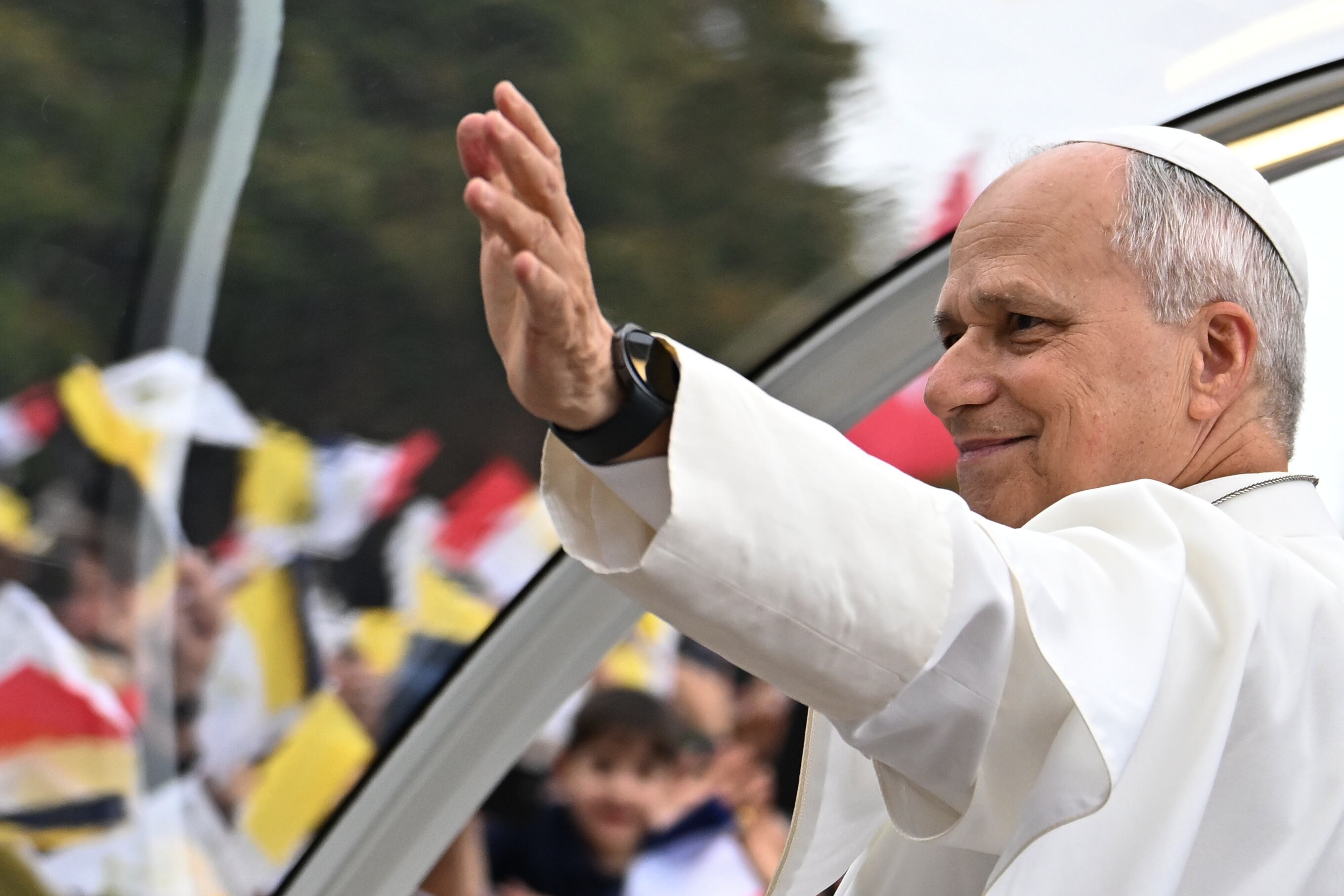
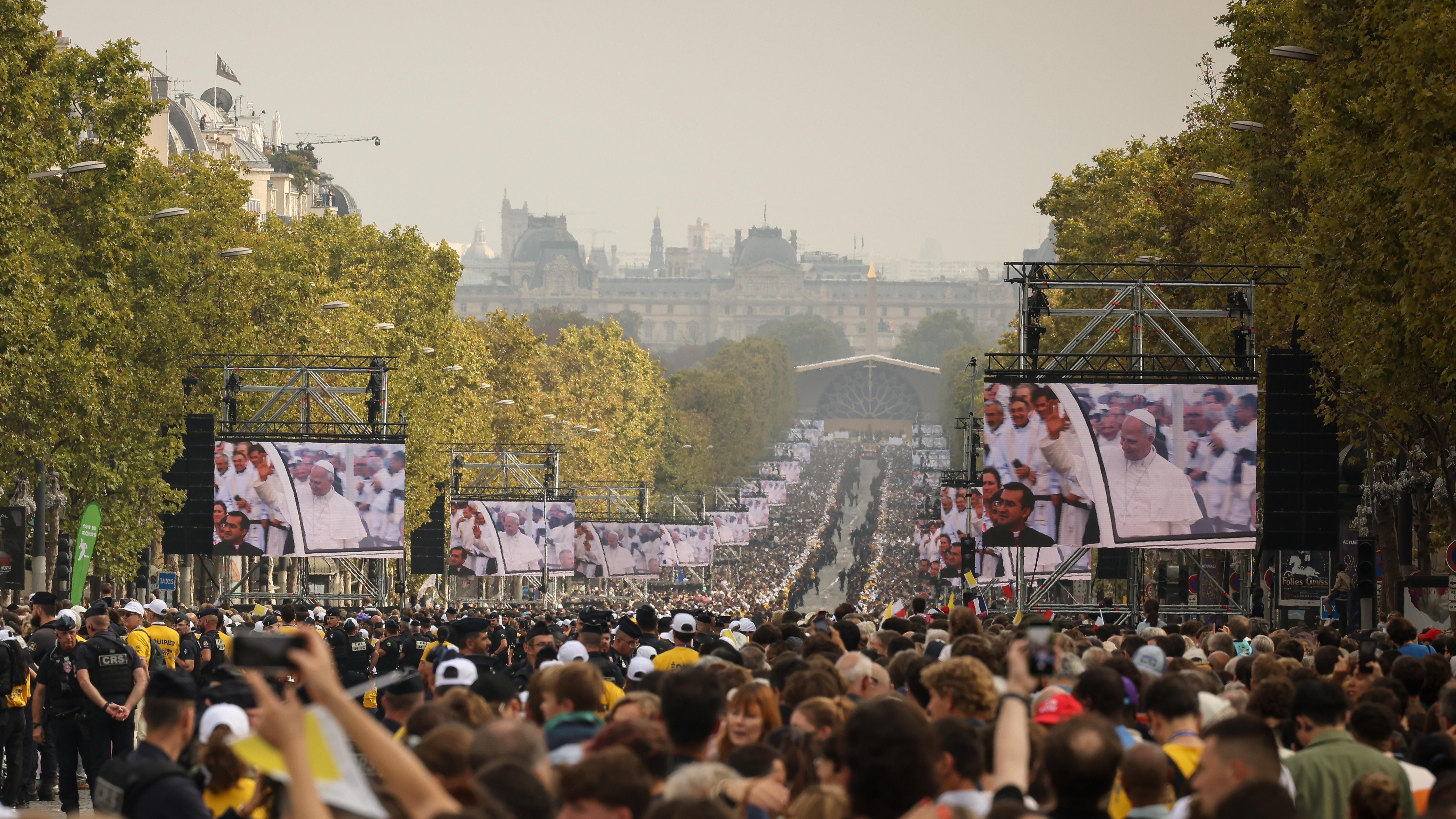
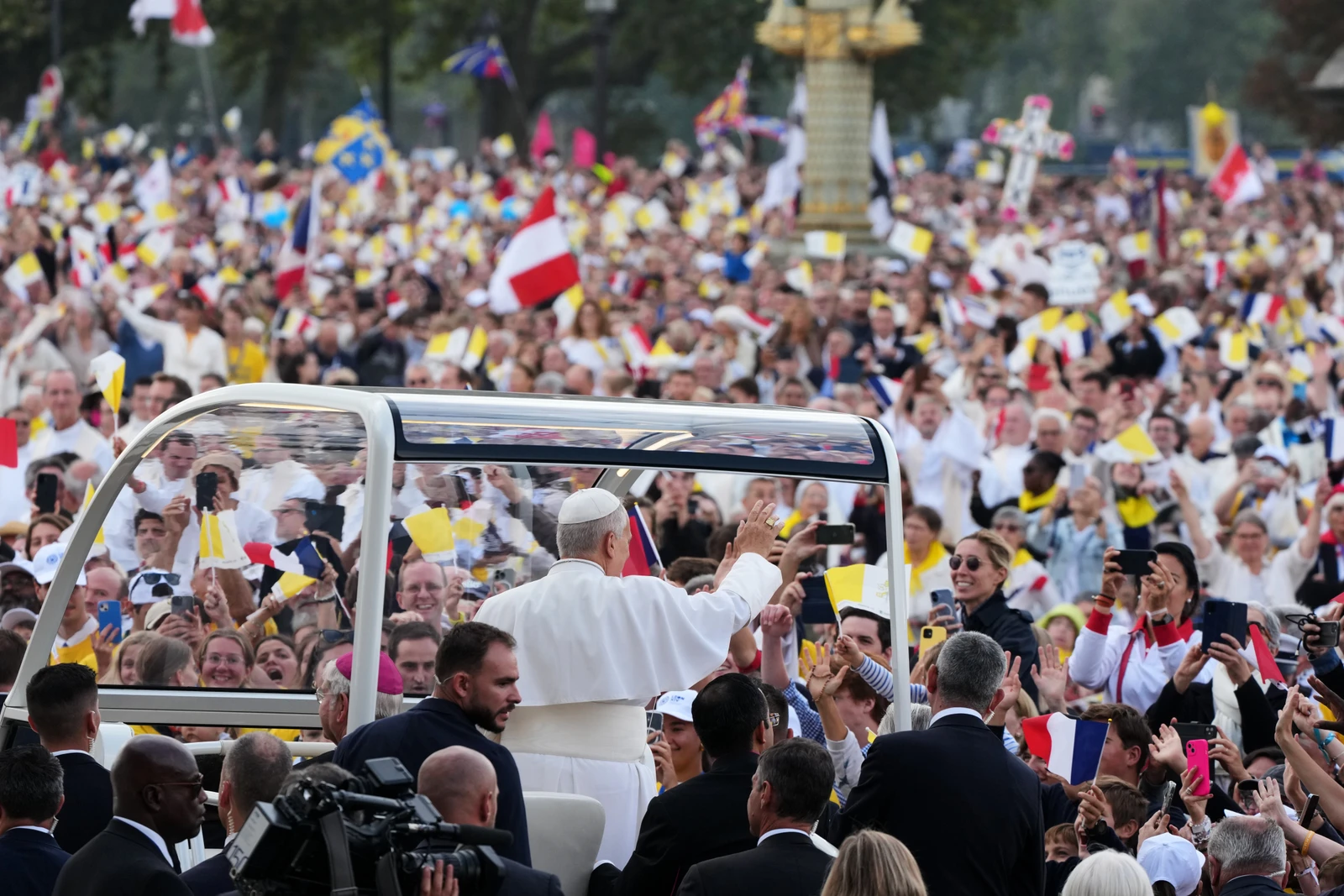
PARIS — In an unprecedented display of public faith that has stunned European political analysts and revitalized the global Catholic community, Pope Leo XIV filled the heart of Paris with an estimated 700,000-strong crowd on Sunday. The giant outdoor Mass, held at the historic Champ de Mars with the Eiffel Tower serving as a dramatic backdrop, represents the largest religious gathering in the French capital in over half a century.
For a nation deeply rooted in laïcité—France’s strict, century-old constitutional principle of secularism—the sheer scale of the mobilization is being viewed as a watershed moment. The event bypassed typical state-church divides, drawing a diverse, multi-generational crowd from across France, Belgium, Germany, and Spain, and sending a clear signal about the enduring, yet quiet, undercurrent of faith in modern Europe.
Executive Summary: Key Takeaways
- Historical Mobilization: Over 700,000 faithful packed central Paris, making it one of the largest public assemblies in modern French history.
- Geopolitical Shift: Pope Leo XIV’s homily directly addressed Europe’s "spiritual fatigue," challenging the continent to reconcile its cultural heritage with modern pluralism.
- Security & Logistics: Over 15,000 security personnel were deployed, utilizing lessons learned from the recent Paris Olympics to manage crowd control and threat mitigation.
- Economic Windfall: Local hospitality, transit, and retail sectors reported an estimated €120 million injection over the three-day papal visit.
A Logistical Tour de Force on the Seine
Reaching a crowd capacity of nearly three-quarters of a million people in the middle of a dense European capital required an extraordinary logistical effort. French authorities, working in tandem with the Vatican Gendarmerie, established a highly secure "blue zone" stretching from the Arc de Triomphe down to the military school of Les Invalides.
The operation drew heavily on the security blueprints designed for the Paris Olympic Games. Snipers were positioned on surrounding rooftops, and drone-jamming technology was deployed extensively over the Seine. Despite the tight security, the atmosphere remained overwhelmingly celebratory, marked by the singing of traditional hymns, the waving of national flags, and spontaneous outbursts of applause as the Popemobile wound its way through the dense crowds.
"We expected a crowd, but nothing of this magnitude," remarked Laurent Nuñez, the Paris Police Prefect, during a brief press conference. "The discipline of the pilgrims and the seamless coordination with municipal transport networks prevented what could have easily become a logistical bottleneck."
The Pope's Message: A Warning and a Hope for Europe
Pope Leo XIV’s homily was both pastoral and pointedly political. Speaking in fluent French, the Pontiff addressed the anxieties of a continent grappling with economic stagnation, demographic decline, and social fragmentation.
"Europe, what have you done with your hope?" the Pope asked, his voice echoing across the Champ de Mars. He warned against the dangers of "radical individualism" and the "illusion of self-sufficiency," urging the gathered youth to build bridges rather than walls.
The address struck a delicate balance. While avoiding direct intervention in France's highly charged debates on immigration and secular identity, the Pontiff’s call for a "generous, open-hearted Europe" was interpreted by many as a gentle critique of the continent’s hardening borders and rising nationalist sentiments.
Economic and Social Impact of the Papal Visit
The economic impact of the event was felt immediately across the Ile-de-France region. Hoteliers reported occupancy rates exceeding 94%, a rarity for the autumn shoulder season. The transport network, RATP, added over 150 extra train services to accommodate the influx of pilgrims traveling from rural departments and neighboring European nations.
| Key Metric | Recorded Figure | Comparative Context |
|---|---|---|
| Estimated Attendance | 700,000+ | Double the initial metropolitan forecasts |
| Security Personnel Deployed | 15,000 Officers | Comparable to high-risk state visits |
| Regional Economic Impact | €120 Million (Est.) | Significant boost to hospitality & retail |
| Accredited Journalists | 1,800 Global Media | Highest media turnout for a European Papal Mass |
Why this Matters: The Secular-Sacred Balance
For the French political establishment, the event has reignited debates regarding the public expression of faith. French President Emmanuel Macron’s attendance at the Mass—though seated strictly as a state observer—drew criticism from some left-wing politicians who argued it compromised the state's neutrality. However, allies of the President defended the move, noting that welcoming a global religious leader of the Pope’s stature is a matter of international diplomacy and national hospitality.
Sociologists point out that the massive turnout, particularly among young adults and young families, challenges the narrative of an entirely secularized Europe. "What we witnessed today is not a relic of the past, but a modern expression of search for community and meaning," said Dr. Émilie Dupont, a sociologist of religion at the Sorbonne. "The Church under Leo XIV is successfully tapping into a deep-seated cultural anxiety, offering a sense of stability in an increasingly volatile world."
Future Outlook
As Pope Leo XIV departs Paris for Rome, the success of this visit is likely to embolden the Vatican’s diplomatic efforts in secular Western democracies. With upcoming synods expected to address pressing global issues, the massive turnout in Paris proves that the Holy See retains a formidable power to convene, mobilize, and influence public discourse on the global stage. European leaders will undoubtedly be analyzing the optics of this weekend for months to come, recognizing that the spiritual dimension of their electorates remains a potent force.
Frequently Asked Questions
How did French authorities manage to secure an outdoor event of this scale?
Authorities utilized a decentralized security perimeter, deploying over 15,000 police officers and gendarmerie. They leveraged advanced crowd-monitoring software, drone detection grids, and strict access control points, drawing on logistical strategies refined during the hosting of the Paris Olympic Games.
What does this event mean for the future of secularism (laïcité) in France?
While the event does not legally alter France’s strict secular framework, it demonstrates that a massive portion of the population still seeks public religious expression. It has sparked fresh intellectual and political debates about how modern France accommodates visible religious diversity and heritage without compromising its constitutional neutrality.