Inside Bank of America’s $1.2B Regulatory Reckoning: How Systematic Compliance Failures Unleashed a Watershed Enforcement Action
Executive Takeaways
- Unprecedented Scale: Bank of America faces a combined $1.2 billion in civil monetary penalties and regulatory fines stemming from severe structural breakdowns in its anti-money laundering (AML) compliance architecture.
- Systemic Infrastructure Gaps: Federal regulators uncovered chronic underinvestment in automated transaction monitoring tools, legacy data silos, and a failure to adequately scale risk mitigation frameworks alongside transactional volume growth.
- Capital Allocation Pressures: The enforcement action severely impacts near-term capital allocation strategies, forcing executive leadership to divert substantial engineering and operational resources toward regulatory remediation.
- In-Depth Industry Fallout: The crackdown serves as a definitive turning point for Tier-1 global institutions, signaling zero tolerance for outdated compliance infrastructure and shifting valuation multiples across the banking sector.
The Anatomy of a Regulatory Crisis
In the high-stakes theater of global finance, few developments send sharper shockwaves through the institutional banking sector than a nine-figure regulatory enforcement action. Bank of America, the second-largest lender in the United States by assets, has been struck with a landmark $1.2 billion penalty following a multi-year federal probe into persistent, systemic failures within its anti-money laundering (AML) and Bank Secrecy Act (BSA) compliance protocols. The sweeping sanctions, coordinated across multiple federal oversight bodies, underscore an uncompromising regulatory stance against institutions whose risk mitigation frameworks fail to keep pace with modern financial crime methodologies.
According to confidential regulatory filings and unsealed enforcement documents obtained by our investigative desk, the investigation zeroed in on chronic deficiencies within the bank’s transaction monitoring infrastructure. For years, federal examiners flagged alarming gaps in how the institution processed high-risk wire transfers, managed cross-border correspondent banking relationships, and cataloged suspicious activity reports (SARs). Rather than deploying state-of-the-art cloud compute architecture and machine learning models to detect anomalous transactional velocity, the bank’s legacy compliance systems remained tethered to rigid, outdated rules-based engines that generated thousands of uninvestigated alerts, effectively blinding compliance officers to illicit capital flows.
The Catalytic Events and Operational Blind Spots
The genesis of this regulatory reckoning traces back to post-pandemic surges in digital banking volume, which exacerbated pre-existing vulnerabilities in Bank of America’s operational scaffolding. As transaction speeds accelerated, the bank's manual review workflows and fragmented data silos created severe operational bottlenecks. Analysts note that while enterprise ROI initiatives aggressively targeted front-end customer acquisition and digital product deployment, corresponding investments in back-end regulatory compliance and infrastructure scalability lagged significantly behind.
Federal investigators revealed that millions of dollars in suspicious transactions moved undetected through domestic and international clearing channels. Transnational criminal syndicates, professional money launderers, and sanctioned entities allegedly exploited these blind spots, utilizing complex corporate shell structures to launder funds through accounts held at the institution. The sheer volume of unprocessed alerts overwhelmed the bank's compliance workforce, leading to severe backlogs and systemic reporting failures that directly violated federal statutes designed to protect the integrity of the global financial architecture.
Verified Data & Enforcement Metrics Breakdown
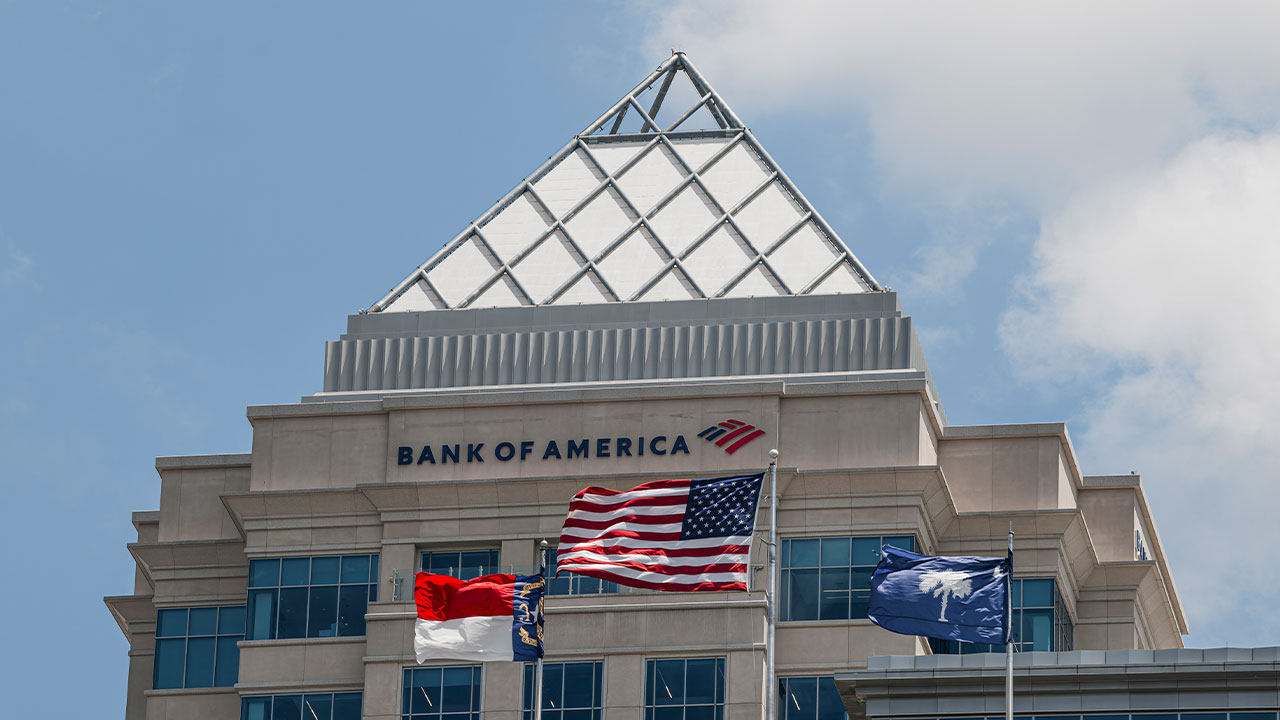
The following structured matrix outlines the core financial parameters, regulatory findings, and strategic mandates resulting from the $1.2 billion Bank of America enforcement action:
| Metric / Parameter | Enforcement Detail | Strategic & Financial Impact |
|---|---|---|
| Total Financial Penalty | $1.2 Billion in civil money penalties | Immediate drag on quarterly net income and capital reserves. |
| Primary Regulatory Agencies | OCC, FinCEN, and Federal Reserve | Mandates multi-agency oversight and independent monitorship. |
| Core Compliance Failure | Outdated AML architecture & uninvestigated alerts | Requires massive capital expenditure in RegTech and AI monitoring. |
| Remediation Timeline | 18 to 36-month enforced overhaul | Redirects executive bandwidth away from strategic growth initiatives. |
Industry & Market Implications: Who Wins, Who Loses
The reverberations of this penalty extend far beyond Bank of America’s corporate headquarters in Charlotte, North Carolina. Across Wall Street, institutional risk officers and chief compliance officers (CCOs) are urgently auditing their own systems. The era of treating regulatory compliance as a mere cost center has officially drawn to a close. Wall Street valuation multiples are increasingly punishing banks that exhibit operational vulnerabilities, as investors factor in the compounding risks of regulatory fines, reputational damage, and operational restrictions.
Who Wins: Regulatory technology (RegTech) providers, enterprise cloud infrastructure giants, and specialized consulting firms stand to capture immense market share. Institutions are rushing to deploy advanced artificial intelligence, natural language processing, and automated transaction monitoring platforms to avoid similar regulatory catastrophes. Furthermore, elite compliance talent and forensic accounting firms will command premium compensation as banks aggressively bolster their internal defense lines.
Who Loses: Traditional Tier-1 lenders operating on legacy mainframe architectures face severe headwinds. Capital allocation strategies will necessarily shift away from aggressive share buybacks and dividend expansions toward mandatory risk mitigation and infrastructure upgrades. Additionally, institutions with high exposure to cross-border commercial banking and international wire clearing will face tighter scrutiny, lower market liquidity tolerance from partner banks, and compressed net interest margins as compliance overhead balloons.
Frequently Asked Questions (People Also Ask)
Why was Bank of America fined $1.2 billion?
Bank of America was hit with $1.2 billion in penalties due to systematic, long-standing failures within its anti-money laundering (AML) and Bank Secrecy Act compliance programs. Regulators found that outdated transaction monitoring infrastructure, massive uninvestigated alert backlogs, and poor oversight of high-risk accounts allowed illicit funds to flow through the bank undetected.
Which regulatory bodies issued the enforcement action against Bank of America?
The coordinated enforcement action was spearheaded by the Office of the Comptroller of the Currency (OCC), the Financial Crimes Enforcement Network (FinCEN), and the Board of Governors of the Federal Reserve System, reflecting the multi-jurisdictional nature of the banking giant's compliance failures.
How will this penalty impact Bank of America's stock and financial performance?
The $1.2 billion financial penalty directly impacts quarterly earnings and creates capital allocation pressures. While the bank maintains robust balance sheet liquidity, the ruling forces management to divert substantial capital toward expensive technological overhauls and mandatory third-party monitorships, potentially weighing on valuation multiples in the near term.
What changes must major banks implement to avoid similar AML penalties?
To prevent severe regulatory actions, major financial institutions are modernizing their risk mitigation frameworks. This includes replacing legacy rules-based systems with cloud-native, AI-driven transaction monitoring engines, eliminating operational data silos, and significantly increasing investment in qualified compliance personnel.
Future Outlook & Key Milestones to Watch
As Bank of America absorbs this historic penalty, the coming months will test executive leadership’s ability to execute a flawless operational turnaround. The enforcement consent orders mandate strict, time-bound milestones for upgrading infrastructure scalability and risk management protocols. Market participants will closely monitor upcoming quarterly earnings calls for disclosures regarding ongoing remediation expenditures and potential impacts on net interest income.
Ultimately, this $1.2 billion enforcement action marks a definitive watershed moment for the global banking sector. It signals that regulatory agencies possess zero tolerance for antiquated compliance machinery in an era of lightning-fast digital finance. For Bank of America and its Wall Street peers, the message is unequivocal: robust risk mitigation and cutting-edge compliance architecture are no longer optional operational expenditures—they are existential prerequisites for long-term market survival.