The New Space Race: ISRO, Academia, and 30 Top Scientists Map Out India's Next Cosmic Leap at Chandigarh University
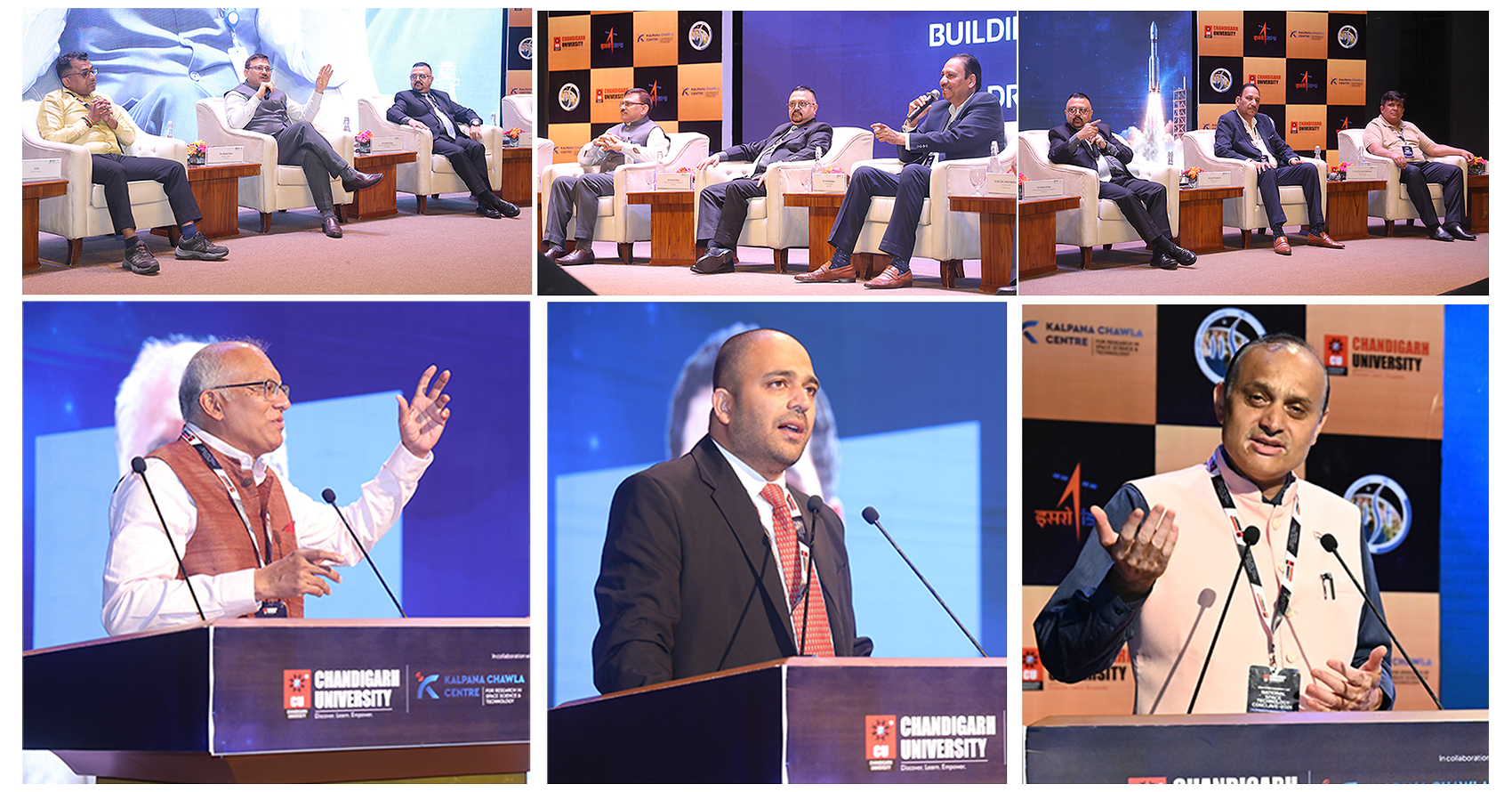
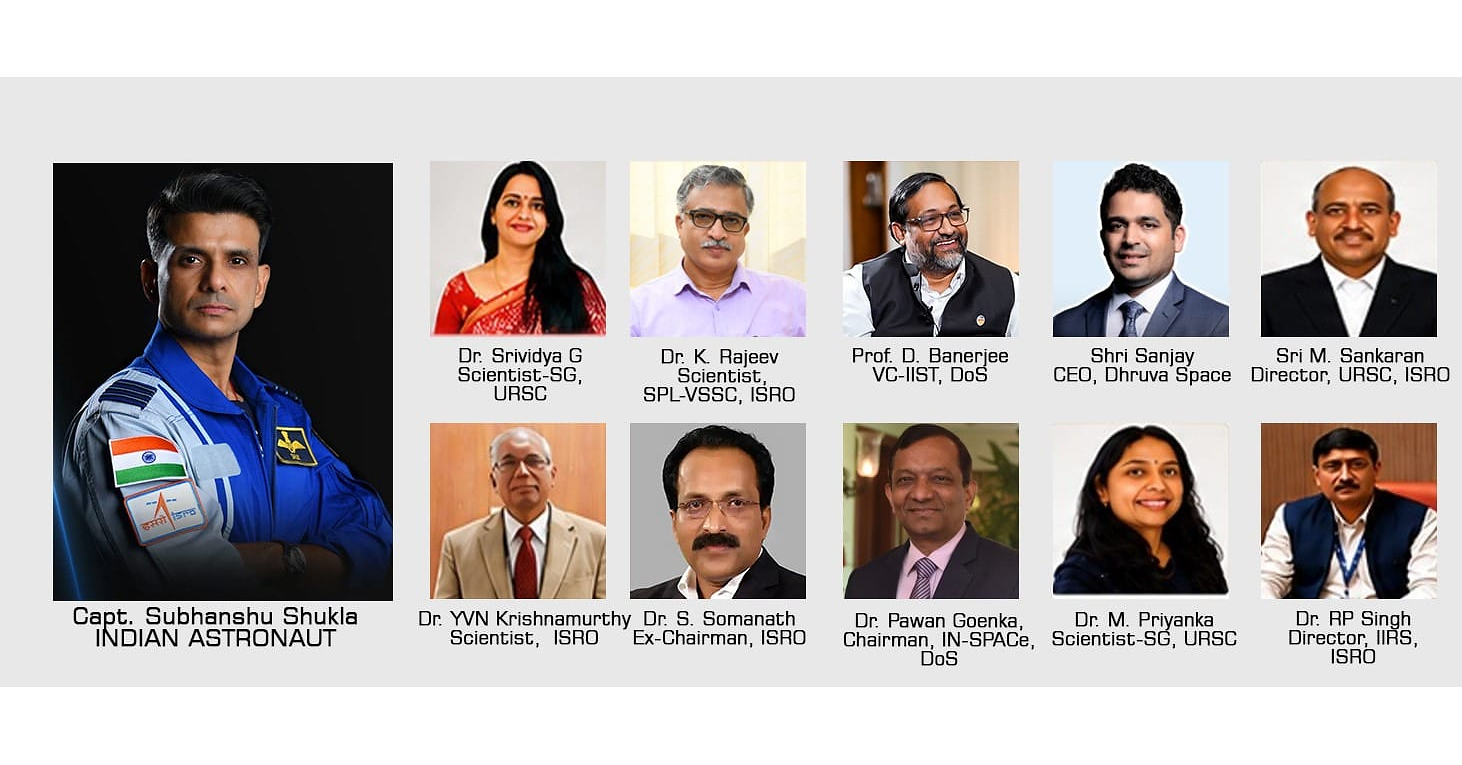
CHANDIGARH, India — In a strategic move to supercharge India’s soaring space ambitions, Chandigarh University (CU) recently convened the National Space Technology Conclave. Organized in close collaboration with the Indian Space Research Organisation (ISRO), the landmark summit gathered over 30 of India’s most eminent space scientists, defense strategists, and industry leaders. The singular objective: blueprinting the nation’s transition from a regional space player to a dominant, commercial global space powerhouse.
The conclave arrives at a critical juncture. With the Indian government recently greenlighting a ₹1,000-crore venture capital fund dedicated to space startups and aiming to capture 10% of the global space economy by 2030, the event served as a high-level incubator for policy, academic research, and public-private partnerships.
Executive Takeaways: The Future of Indian Space Tech
- Academic-Industrial Synergy: Chandigarh University is positioning itself as a primary pipeline for aerospace talent, bridging the gap between theoretical research and ISRO’s deep-tech requirements.
- Commercializing Space: Discussions centered on private-sector integration, localizing the manufacturing of launch vehicles, and leveraging low-Earth orbit (LEO) satellites for commercial telecommunications.
- Next-Gen Missions: Panellists debated the technology roadmaps for the upcoming Gaganyaan human spaceflight mission, the Venus Orbiter Mission (Shukrayaan), and private payload launches.
- Indigenization of Defense Tech: Deep-dive sessions explored the convergence of space-based assets with national security, focusing on secure military communications and real-time geospatial surveillance.
Unlocking the $44 Billion Opportunity: Academia Meets Orbit
Opening the conclave, Chandigarh University Chancellor and Member of Parliament (Rajya Sabha), Satnam Singh Sandhu, emphasized that the democratization of space technology is crucial for economic resilience. "India's space sector is no longer confined to government laboratories," Sandhu stated. "Through academic hubs like Chandigarh University, we are enabling young minds to design, build, and launch satellites. Our partnerships with ISRO are designed to convert academic curiosity into commercial-grade intellectual property."
The university, which boasts its own state-of-the-art Kalpana Chawla Centre for Research in Space Science and Technology (KCCRSST), has actively pioneered student-led satellite programs. The conclave highlighted how institutional research centers can dramatically reduce R&D costs for the broader Indian space ecosystem by acting as testing grounds for micro-propulsion systems, advanced composite materials, and AI-driven telemetry analysis.
The Vanguard of India’s Scientific Elite
The event witnessed intense deliberations from legendary figures of Indian science. Among the key speakers was Dr. Mylswamy Annadurai, popularly known as the "Moon Man of India" and the former Director of the ISRO Satellite Centre. Dr. Annadurai pointed out that the next frontier of space exploration lies in cost-effective sustainability.
"The success of Chandrayaan-3 proved to the world that high-efficiency, low-cost engineering is India’s unique selling proposition," Dr. Annadurai remarked during a panel on deep-space navigation. "To maintain this edge, we must democratize satellite manufacturing. By training students at the university level to handle actual payload assemblies, we ensure a seamless supply chain of skilled human capital for the private space sector."
Data Sheet: Mapping India’s Space Trajectory (2024–2030)
To understand the scale of the transition discussed at the Chandigarh University Conclave, the following data highlights key industry benchmarks:
| Economic Metric | Current Status (2024) | Target Projection (2030–2033) | Primary Drivers |
|---|---|---|---|
| Global Market Share | ~2% to 3% | 8% to 10% | Commercial launch services, satellite-based internet, private spaceports. | Sector Valuation | $8.4 Billion | $44 Billion | Inflow of FDI, liberalized space policies, and domestic manufacturing hubs. |
| Active Space Startups | Over 190+ | 500+ Projected | Government’s ₹1,000 Cr VC Fund, incubation cells in elite universities. |
| Academic Satellite Programs | Select institutions (inc. CU) | Nationwide network | ISRO’s handholding scheme, low-cost cubesat deployment kits. |
The Strategic Shift: From Public Monopoly to Private Catalyst
A key focus area of the conclave was the operationalization of the Indian National Space Promotion and Authorization Centre (IN-SPACe). Industry leaders noted that the historical bottleneck for Indian space tech was the single-window dependency on ISRO for launches. Today, the landscape is shifting toward a decentralized ecosystem where private consortia build entire rockets, and academia handles custom payload design.
Scientists at the conclave deliberated on the immense commercial potential of small satellite launch vehicles (SSLVs). These launch vehicles are highly sought after by global tech firms looking to deploy constellation networks for IoT, disaster management, and precision agriculture. By focusing on SSLV technology, India can position itself as the "ride-share" capital of the global space industry.
Fostering the Next Generation of Space Entrepreneurs
Chandigarh University took this opportunity to announce new specialized curricula and funding opportunities for student startups focusing on space-tech adjacencies. These include artificial intelligence for satellite imaging, lightweight carbon-fiber raw materials, and encrypted quantum communication networks.
The consensus among the 30 space leaders was clear: India’s ascent in the global space race depends on its ability to build a robust domestic market. Academic institutions must evolve from merely supplying workforce graduates to actively co-developing patents, launching spin-off enterprises, and collaborating directly on national security payloads.
Frequently Asked Questions
What was the primary objective of the National Space Technology Conclave at Chandigarh University?
The conclave aimed to foster collaboration between ISRO, leading scientists, and academia to map out India’s future space missions, integrate private sector participation, and build a highly skilled workforce to support the country’s goal of capturing 10% of the global space market.
How is Chandigarh University contributing directly to India’s space missions?
Chandigarh University contributes through its dedicated Kalpana Chawla Centre for Research in Space Science and Technology (KCCRSST), where students and researchers build and test actual payloads, develop space-tech applications, and work on satellite design programs to support national space endeavors.