The 2026 AI Capital Allocation Map: 10 Institutional-Grade Equities Redefining Enterprise Infrastructure and Return on Investment
Executive Takeaways
- Transition from Speculation to ROI: By 2026, enterprise software and cloud budgets are entirely contingent upon demonstrable infrastructure scalability and immediate productivity gains.
- The Infrastructure Oligopoly: Silicon design, specialized neo-cloud providers, and hyperscale data centers continue to capture the vast majority of capital expenditure allocation.
- Diversification Beyond Hardware: Institutional portfolios are pivoting from pure-play semiconductor exposure toward enterprise software integration, sovereign cloud compliance, and proprietary data moats.
As global capital markets navigate the maturation of the artificial intelligence super-cycle, the investment thesis has undergone a fundamental transformation. The era of indiscriminate buying across any enterprise bearing an AI label has concluded. In its place, institutional investors, sovereign wealth funds, and venture allocators are demanding rigorous enterprise ROI, strict regulatory compliance, and bulletproof cloud compute architecture. As outlined in recent analyses from leading financial wire services, identifying the definitive winners requires dissecting balance sheets, supply chain moats, and enterprise software stickiness.
Entering 2026, the artificial intelligence landscape is defined by a fierce battle for data center supremacy, enterprise workflow capture, and custom silicon development. Below is our definitive investigative breakdown of the 10 top equity picks shaping the future of global commerce, along with the strategic frameworks required to evaluate them.
The 2026 AI Equity Vanguard: From Hyperscalers to Neo-Clouds
The macroeconomic backdrop of 2026 is characterized by structurally elevated interest rates and record-shattering capital expenditure by the world’s largest technology conglomerates. Hyperscalers are no longer just experimenting with large language models; they are restructuring their entire operational frameworks around autonomous agent workflows. This structural shift has created distinct tiers of investable assets.
1. Nvidia (NASDAQ: NVDA)
Nvidia remains the undisputed tollbooth of the artificial intelligence revolution. Despite mounting competition from custom application-specific integrated circuits (ASICs) developed by its own largest customers, Nvidia’s proprietary software ecosystem—CUDA—creates an insurmountable switching cost. By 2026, the company’s focus has shifted beyond raw GPU unit shipments to complete rack-scale data center integration, networking fabrics via InfiniBand, and proprietary software licensing. For institutional portfolios, Nvidia serves as the ultimate bellwether for global compute demand.
2. Alphabet (NASDAQ: GOOGL)
Alphabet’s deep integration of Gemini models across Search, Workspace, and Google Cloud Platform (GCP) has neutralized early market share concerns. The company’s proprietary Tensor Processing Units (TPUs) provide a distinct structural cost advantage over competitors reliant exclusively on merchant silicon. Alphabet's unmatched data catalog and advertising optimization engines ensure that enterprise monetization remains exceptionally robust.
3. Microsoft (NASDAQ: MSFT)
As the primary financial and strategic backer of OpenAI, Microsoft has successfully embedded AI into the enterprise software stack through Azure and Microsoft 365 Copilot. The investment thesis for Microsoft in 2026 centers on enterprise stickiness. CFOs are unlikely to churn software suites that have become central to daily corporate productivity, ensuring predictable, high-margin recurring revenue.
4. CoreWeave
Representing the vanguard of the "neo-cloud" movement, CoreWeave has disrupted traditional cloud infrastructure by building GPU-native data centers tailored explicitly for heavy machine learning training and inference workloads. By securing early, long-term supply agreements for cutting-edge silicon, CoreWeave has positioned itself as an indispensable utility for frontier lab developers.
5. Meta Platforms (NASDAQ: META)
Meta’s aggressive open-source strategy with its Llama model family has fundamentally altered the competitive landscape. By commoditizing foundation models, Meta drives engagement across its family of apps while drastically reducing the cost of internal infrastructure deployment. Advertisers are leveraging Meta's advanced generative AI creative tools, driving direct top-line acceleration.
6. Adobe (NASDAQ: ADBE)
Adobe has successfully migrated from a traditional creative software vendor to an indispensable AI-powered workflow platform. Through proprietary models like Firefly, integrated natively into Creative Cloud and Experience Cloud, Adobe has bypassed copyright liability concerns by training exclusively on licensed and public-domain data, making it the preferred enterprise choice for brand-safe content generation.
7. Alibaba (NYSE: BABA)
Within the APAC region, Alibaba represents a primary vehicle for enterprise cloud modernization and proprietary large language model deployment via its Tongyi Qianwen ecosystem. Despite regional regulatory headwinds and shifting macroeconomic dynamics, Alibaba’s cloud computing division remains a critical infrastructure backbone for Chinese enterprise digital transformation.
8. Amazon (NASDAQ: AMZN)
Amazon Web Services (AWS) has rebounded aggressively in the AI race through strategic investments in Anthropic, proprietary Trainium and Inferentia silicon, and comprehensive enterprise offerings like Amazon Bedrock. AWS remains the largest cloud infrastructure provider globally, giving Amazon unmatched reach in deploying generative AI applications to Fortune 500 enterprises.
9. Palantir Technologies (NASDAQ: PLTR)
Palantir has transitioned from a specialized defense contractor to the premier enterprise data integration platform of the AI era. Its Artificial Intelligence Platform (AIP) bootcamps have dramatically shortened sales cycles, allowing commercial enterprises to realize tangible ROI from proprietary data assets within days rather than quarters.
10. Oracle (NYSE: ORCL)
Oracle Cloud Infrastructure (OCI) has emerged as a dark-horse competitor in enterprise AI cloud hosting. Due to its superior high-performance networking capabilities and aggressive pricing strategies, OCI has successfully attracted major frontier AI labs and enterprise clients looking to bypass legacy hyperscale bottlenecks.
Verified Data & Metrics Breakdown
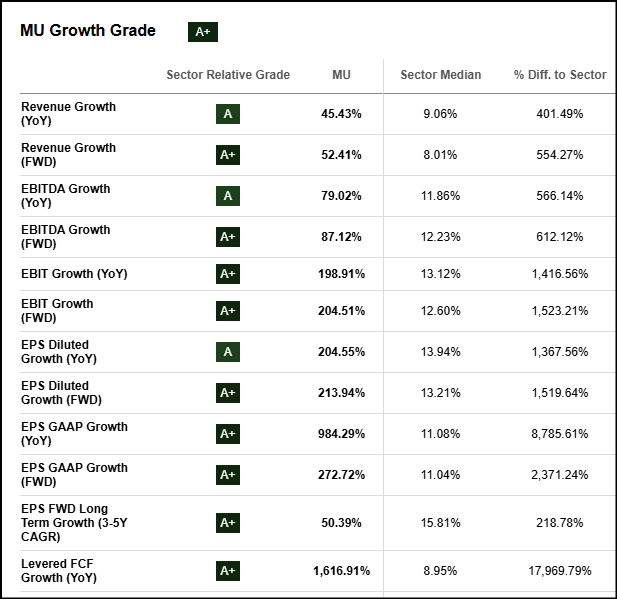
Evaluating enterprise-grade AI stocks requires examining key financial metrics, capital expenditure trajectories, and infrastructure scalability indicators. The following matrix contrasts fundamental operational pillars across our top 10 selections:
| Company | Ticker | Primary AI Value Driver | Valuation Focus | 2026 Strategic Risk |
|---|---|---|---|---|
| Nvidia | NVDA | Accelerated Computing / CUDA | Forward P/E & Gross Margins | Custom ASIC adoption by hyperscalers |
| Alphabet | GOOGL | Gemini / GCP / Custom TPUs | Free Cash Flow Yield | Search monetization disruption |
| Microsoft | MSFT | Azure / Copilot / OpenAI Partnership | Enterprise Cloud Growth Rate | CapEx amortization and power constraints |
| CoreWeave | Private | GPU-Native Neo-Cloud Infrastructure | Revenue Run-Rate & Debt Load | Customer concentration risk |
| Meta Platforms | META | Open-Source Llama / Ad Targeting | Operating Margin & Ad ARPU | Regulatory scrutiny over open models |
| Adobe | ADBE | Firefly / Creative Cloud Integration | Net New ARR & Retention | Open-source creative tool competition |
| Alibaba | BABA | Alibaba Cloud / Tongyi Qianwen | Price-to-Book & EV/EBITDA | Geopolitical trade restrictions |
| Amazon | AMZN | AWS Bedrock / Trainium Silicon | AWS Operating Income Margin | Intense cloud compute price wars |
| Palantir | PLTR | AIP Enterprise Ontology | Price-to-Sales Multiple | Elevated valuation sensitivity |
| Oracle | ORCL | OCI High-Performance Networking | Remaining Performance Obligation (RPO) | Data center power grid bottlenecks |
Industry & Market Implications: Winners, Losers, and Economic Shifts
The maturation of artificial intelligence in 2026 has created a stark bifurcation across global capital markets. The primary beneficiaries are enterprise software providers with proprietary data moats and semiconductor architects capable of pushing the boundaries of physical silicon manufacturing. Conversely, legacy IT service providers and traditional software-as-a-service (SaaS) firms that fail to integrate agentic workflows face severe valuation compression.
From a macroeconomic perspective, the race for artificial intelligence supremacy has fundamentally reshaped global energy markets. Power generation, nuclear energy procurement, and high-voltage grid infrastructure have become tied directly to technology equity performance. Corporations capable of securing dedicated power purchase agreements (PPAs) for data center expansion hold a distinct competitive advantage over peers constrained by local grid capacity.
Frequently Asked Questions (People Also Ask)
How are institutional investors evaluating AI stock valuations in 2026?
Institutional allocators have shifted away from pure top-line revenue growth metrics toward free cash flow generation, gross margin sustainability, and verifiable enterprise ROI. Companies trading at exorbitant valuation multiples must demonstrate that their capital expenditures are translating directly into durable, recurring revenue streams without excessive customer acquisition costs.
What is the difference between hyperscalers and neo-cloud providers?
Hyperscalers (such as Microsoft, Amazon, and Alphabet) operate massive, diversified cloud ecosystems encompassing compute, storage, databases, and consumer applications. Neo-cloud providers (such as CoreWeave) operate specialized, GPU-dense infrastructure engineered specifically for machine learning model training and inference, catering directly to frontier AI research labs and high-performance computing workloads.
How do custom ASICs impact Nvidia’s market dominance?
While major cloud providers have developed proprietary application-specific integrated circuits (ASICs) to handle specific internal inference workloads and reduce hardware costs, Nvidia maintains its competitive moat through continuous architectural iteration, unmatched manufacturing allocation with TSMC, and the entrenched developer ecosystem of the CUDA software framework.
Are software companies or hardware manufacturers better positioned for long-term growth?
Both sectors play vital roles, but their risk-reward profiles differ significantly. Hardware manufacturers and infrastructure providers capture immediate capital expenditures during the build-out phase. Enterprise software companies capture long-term, high-margin recurring revenue as businesses operationalize AI tools to drive internal efficiencies and automate complex workflows.
Future Outlook & Key Milestones to Watch
As we progress through the remainder of 2026, market observers must monitor several critical catalysts. First, watch for energy regulatory approvals regarding direct data center power connections, which will dictate the speed of infrastructure scalability. Second, track enterprise software renewal cycles to measure whether AI integration (such as Copilot and AIP seats) successfully reduces customer churn and expands average revenue per user (ARPU).
Ultimately, the 2026 AI investment landscape rewards disciplined capital allocation and operational execution. Portfolios balanced between infrastructure oligopolies and mission-critical enterprise software will be best positioned to navigate ongoing market volatility while capturing secular, multi-year economic expansion.