Inside the $6 Billion Exodus: Why the Bitcoin Bounce Faded as Binance Processing Resumed Under Intense Regulatory Scrutiny
Test Our Free AI & Tech Utilities Suite
Calculate LLM API token costs, analyze article dwell-time, or simulate tech DCA returns.
As macroeconomic headwinds collide with digital asset volatility, unprecedented net outflows from the world’s largest crypto exchange expose structural fragility in market liquidity, institutional risk mitigation, and algorithmic capital allocation.
Executive Takeaways
- Massive Capital Flight: Binance recorded nearly $6 billion in net outflows within a compressed window following the resumption of halted user withdrawals, testing the platform’s operational infrastructure scalability.
- Aborted Market Rally: The fleeting Bitcoin price bounce abruptly stalled as institutional risk mitigation strategies kicked in, dampening valuation multiples across major crypto assets.
- Liquidity Strain: On-chain data metrics reveal significant stress on exchange-held reserves, forcing quantitative funds and enterprise market makers to re-evaluate counterparty risk.
- Regulatory Compliance Focus: Global watchdogs are intensifying scrutiny over exchange reserve transparency and operational resilience, altering long-term capital allocation strategies for institutional portfolios.
The Anatomy of a Liquidity Squeeze: When the Bounce Fails
The modern digital asset landscape operates on fragile psychological pillars and hyper-sensitive market liquidity. Over the past 48 hours, those pillars faced a severe stress test. What began as an encouraging technical bounce in Bitcoin (BTC)—spurred by short-term macroeconomic data releases and opportunistic buying by retail cohorts—rapidly deteriorated into a defensive flight to safety. The catalyst? A staggering $6 billion wave of net outflows originating from Binance, the world’s dominant cryptocurrency exchange by trading volume, immediately after the platform resumed normal withdrawal processing following temporary technical halts.
For enterprise investors, family offices, and algorithmic trading desks, the episode serves as a sobering reminder of systemic concentration risk. When an infrastructure titan experiences operational friction, the ripple effects instantly corrupt broader market integrity. Valuation multiples that showed signs of recovery were summarily erased as order books thinned, leaving algorithmic execution engines scrambling to rebalance portfolios amid widening bid-ask spreads.
Decoding the $6 Billion Outflow: On-Chain Transparency vs. Exchange Realities
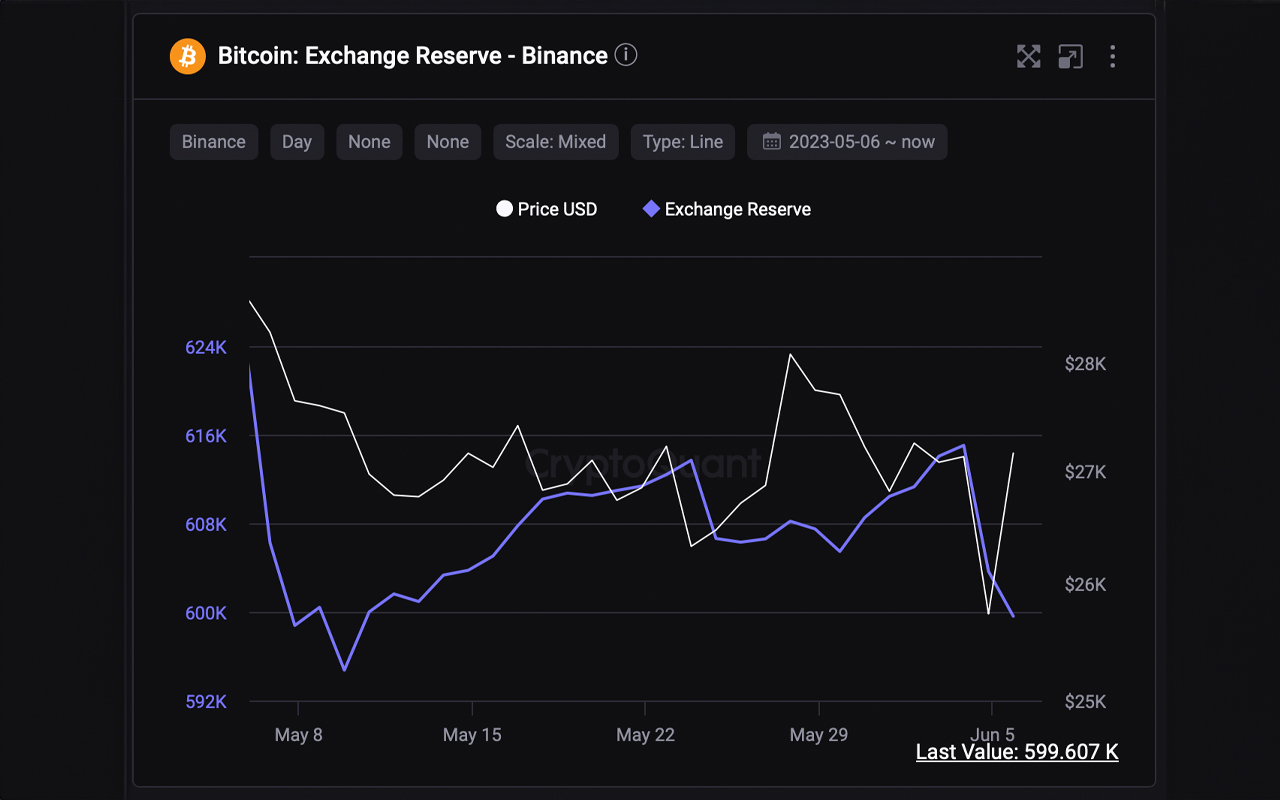
Blockchain analytics firms and independent forensic auditors tracking the movement of digital assets observed unprecedented velocity in token transfers out of Binance-associated hot and cold wallets. The outflows spanned multiple major assets, though Bitcoin and stablecoins bore the brunt of the redemption pressure.
Industry insiders note that while cryptocurrency exchanges routinely process billions in daily volume, a concentrated net outflow of $6 billion within a 24-to-48-hour period is an extraordinary metric. This scale of capital extraction reflects a coordinated defensive posture by institutional capital allocators. Rather than maintaining assets on custodial platforms where counterparty risk remains opaque, institutional treasuries executed immediate self-custody protocols or migrated funds to federally regulated traditional financial instruments.
| Metric Category | Pre-Event Baseline | Post-Withdrawal Resumption | Enterprise / Market Implication |
|---|---|---|---|
| Exchange Net Outflows | Normal daily variance (<$200M) | ~$6.0 Billion aggregated | Severe liquidity contraction; heightened counterparty anxiety. |
| Bitcoin Price Action | Upward momentum / Technical bounce | Abrupt stall and downward retracement | Erosion of short-term bullish valuation multiples. |
| Withdrawal Infrastructure | Intermittent halts & queue backlogs | Fully operationalized processing | Cloud compute architecture tested under peak throughput. |
| Regulatory Compliance Posture | Standard monitoring | Heightened cross-border oversight | Accelerated shift toward institutional-grade custody solutions. |
Infrastructure Scalability and Enterprise Risk Mitigation
Behind the headlines of fluctuating token prices lies a deeper engineering and operational narrative. Cryptocurrency exchanges function as massive, high-frequency financial institutions underpinned by complex cloud compute architecture and real-time ledger synchronization. When withdrawal queues back up—often triggered by internal automated risk checks or blockchain network congestion—user panic naturally ensues.
For enterprise risk officers, this event highlights the imperative of robust risk mitigation frameworks. Enterprise ROI in digital asset strategies is frequently undermined by systemic operational bottlenecks. When an exchange halts withdrawals, corporate treasuries lose the ability to execute timely capital allocation decisions, locking up liquidity precisely when market volatility demands agility. Consequently, corporate adoption is accelerating away from monolithic centralized exchanges and toward decentralized settlement layers, multi-party computation (MPC) custody models, and regulated banking partners.
Market Implications: Winners, Losers, and Macroeconomic Realities
Every market dislocation redistributes influence across the financial ecosystem. In the wake of Binance’s $6 billion outflow shock, clear demarcation lines have emerged between market participants:
- Institutional Custodians & Regulated Platforms (The Winners): Prime brokers, qualified custodians, and traditional financial institutions offering digital asset services are capturing the fleeing capital. Investors seeking absolute compliance and ring-fenced asset security are voting with their feet.
- Centralized Retail Exchanges (The Vulnerable): Platform operators relying heavily on retail volume face rising customer acquisition costs and heightened reserve audit demands. Maintaining user trust requires unprecedented transparency, continuous proof-of-reserves reporting, and multi-jurisdictional regulatory compliance.
- Quantitative Funds & Market Makers (The Adaptors): High-frequency trading shops are rapidly modifying their execution algorithms to account for fragmented exchange liquidity, adjusting risk parameters to protect against sudden withdrawal freezes.
Frequently Asked Questions (People Also Ask)
Why did Binance experience $6 billion in outflows?
The massive outflows were triggered by a combination of user anxiety following temporary withdrawal halts, heightened regulatory scrutiny, and a broader institutional shift toward risk mitigation. As normal withdrawal processing resumed, institutional and retail holders aggressively moved assets into self-custody or competing regulated platforms to protect against counterparty risk.
How does an exchange outflow impact the price of Bitcoin?
While moving Bitcoin off an exchange into self-custody can theoretically reduce immediate liquid sell pressure, massive sudden outflows often signal a crisis of confidence. This prompts algorithmic trading desks and speculative investors to deleverage, stalling technical price bounces and driving temporary downward pressure on valuation multiples across the crypto market.
What are the implications for enterprise crypto investment and regulatory compliance?
Corporate treasuries and institutional funds are placing increased emphasis on rigorous regulatory compliance, transparent proof-of-reserves audits, and multi-party computation (MPC) custody solutions. The event reinforces the trend away from unverified custodial setups toward institutional-grade financial infrastructure.
Are user funds safe on Binance after such large redemptions?
Binance has maintained that its reserves exceed user liabilities and that normal withdrawal processing has fully resumed. However, financial analysts and risk officers emphasize that ongoing verification, transparent reserve attestations, and independent audits remain vital for assessing long-term platform solvency.
Future Outlook: Key Milestones to Watch
As the digital asset market digests the aftermath of the $6 billion exodus, attention pivots to several critical forward-looking indicators. Market participants will closely monitor daily exchange reserve metrics reported by on-chain analytics providers to determine whether capital continues to bleed or if stabilization takes hold. Furthermore, regulatory bodies across the United States, Europe, and Asia are expected to accelerate investigations into exchange liquidity management, potentially introducing stricter compliance mandates.
For institutional investors, the episode marks a permanent evolution in how digital asset risk is priced. Infrastructure scalability, robust cloud architecture, and transparent balance sheet reporting are no longer optional marketing talking points—they are absolute prerequisites for institutional capital allocation. As Bitcoin and the broader cryptocurrency market seek their next sustainable pricing floor, resilience and regulatory alignment will ultimately separate enduring market pillars from fleeting speculative ventures.