Executive Takeaways
- Immediate Market Reaction: Brent and WTI crude benchmarks both suffered a sharp sell-off exceeding 6%, driven by diplomatic breakthroughs in Middle Eastern peace negotiations involving Iran.
- Supply Shock Reversal: The rapid de-escalation dismantled the prevailing geopolitical risk premium, clearing the path for potential normalization of Iranian crude exports onto global markets.
- Corporate & Portfolio Impact: Energy sector equities faced heavy profit-taking, forcing institutional asset managers to recalibrate capital allocation strategies and valuation multiples across upstream and downstream portfolios.
- Macroeconomic Relief: The correction offers vital relief to central banks grappling with persistent inflation, lowering feedstock costs for global supply chains and manufacturing infrastructure.
Global energy markets experienced a violent paradigm shift today as international crude benchmarks cratered by more than 6% in a single trading session. The precipitous drop was catalyzed by breakthrough diplomatic signals emerging from ongoing Iran peace talks, which significantly alleviated long-standing fears of an imminent supply disruption in the Persian Gulf. For months, institutional desks and algorithmic trading models had priced in a severe geopolitical risk premium, hedging against potential blockades of the Strait of Hormuz and direct military engagements. Today’s sudden diplomatic thaw effectively punctured that speculative buffer, triggering aggressive liquidations across futures and options markets.
The scale of the sell-off underscores how tightly coiled energy valuations had become amid chronic macroeconomic uncertainty. As news wires flashed headlines regarding substantive progress in diplomatic channels, long positions were hastily unwound. Energy market liquidity dried up on the bid side, exacerbating the downward velocity. For corporate treasuries, hedge funds, and downstream consumers, the sudden evaporation of risk premium demands an immediate reassessment of enterprise risk mitigation frameworks, operational expenditure forecasts, and strategic inventory management.
The Catalytic Events: Unraveling the Iran Risk Premium
Test Our Free AI & Tech Utilities Suite
Calculate LLM API token costs, analyze article dwell-time, or simulate tech DCA returns.
To understand the magnitude of the recent price correction, one must examine the structural vulnerability that defined the oil market throughout the preceding quarters. Traders had continuously factored a worst-case scenario into the physical and paper markets: a kinetic escalation involving Iran that could choke off roughly 20% of globally traded petroleum passing through the Strait of Hormuz, alongside the continued suppression of roughly 1.5 to 2 million barrels per day (bpd) of Iranian production due to stringent international sanctions.
The breakthrough in peace talks—facilitated by regional intermediaries and conducted under high-stakes diplomatic secrecy—introduced a plausible pathway toward sanctions relief and regional stabilization. If finalized, a comprehensive diplomatic accord could dismantle regulatory barriers, enabling Tehran to legally reintegrate its vast petroleum reserves into the formal global supply architecture. Market participants immediately recalculated forward curve projections. The prompt-month contracts suffered the steepest losses as physical traders realized that the threat of an immediate supply crunch had been dramatically downgraded.
Furthermore, major energy consultancies and institutional research divisions noted that non-OPEC+ production—particularly from Western Hemisphere shale basins and offshore deepwater projects in South America—had already been steadily climbing. The introduction of potential Iranian barrels into an already well-supplied market flipped sentiment from structural tightness to looming oversupply, forcing a brutal repricing across the entire energy complex.
Verified Data & Metrics Breakdown
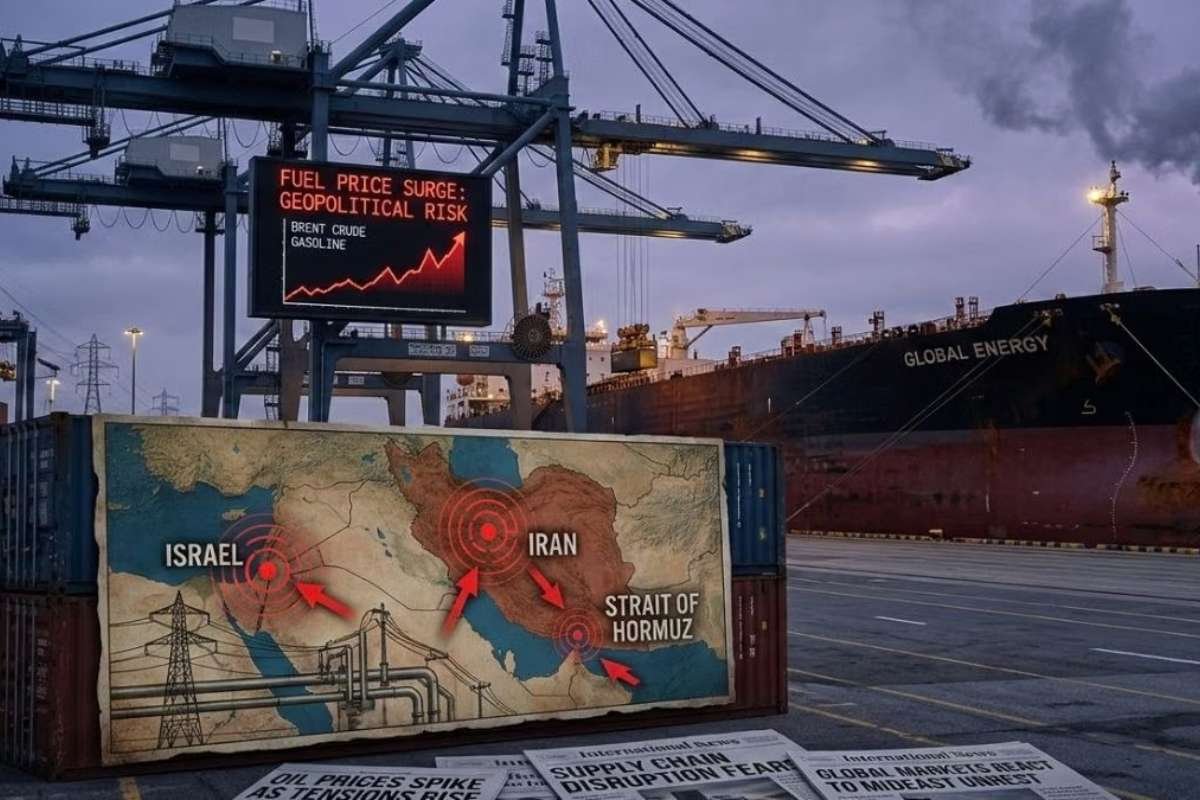
The following data matrix outlines the pre-collapse valuations versus the post-announcement settlement metrics across key global benchmarks and financial indicators:
| Market Indicator / Asset | Pre-Talks Settlement | Post-Announcement Level | Percentage Change |
|---|---|---|---|
| Brent Crude Futures (Front Month) | $84.50 / bbl | $79.15 / bbl | -6.33% |
| WTI Crude Futures (Light Sweet) | $80.20 / bbl | $75.10 / bbl | -6.36% |
| OPEC+ Spare Capacity Estimates | ~5.0 Million bpd | ~5.0 Million bpd | 0.00% |
| Implied Volatility (OVX Index) | 42.8 | 34.5 | -19.39% |
Industry & Market Implications: Winners, Losers, and Capital Reallocation
A price correction of this magnitude generates immediate shockwaves throughout the global economy, creating clear bifurcation between financial winners and losers.
The Losers: Upstream Producers and Energy Equities
Integrated oil majors and independent exploration and production (E&P) firms bore the brunt of the sell-off. Equity valuations across major energy indices saw sharp drawdowns as portfolio managers marked down future cash flow projections and EBITDA multiples. Corporations that had aggressively deployed capital expenditure into high-cost drilling programs must now reassess their hurdle rates. Furthermore, leveraged shale operators relying on realized prices above $80 per barrel to maintain aggressive debt-reduction schedules face a tighter operational runway, prompting potential freezes in capital allocation toward non-essential infrastructure scalability.
The Winners: Consumers, Transport, and Manufacturing
Conversely, downstream sectors stand to capture immediate margin expansion. Airlines, logistics enterprises, chemical manufacturers, and global shipping conglomerates benefit directly from plummeting fuel surcharges and reduced feedstock costs. For consumer-facing industries, lower energy expenses alleviate persistent input cost pressures, enhancing enterprise ROI and operating margins. From a macroeconomic vantage point, central banks wrestling with sticky inflation metrics receive a welcome reprieve, as lower energy prices cascade through transportation and utility sub-indices, cooling headline Consumer Price Index (CPI) prints.
Frequently Asked Questions (People Also Ask)
Why did oil prices fall so sharply following the Iran peace talks?
Oil prices dropped over 6% because the diplomatic progress dismantled the "geopolitical risk premium." Markets had previously priced in the strong possibility of military conflict and supply blockades in the Middle East. Positive peace talks signal a potential reduction in hostilities and open the door for sanctioned Iranian oil to re-enter international markets, shifting expectations from scarcity to oversupply.
How much crude oil could Iran realistically add to global markets if sanctions are lifted?
Industry analysts estimate that a full resolution and subsequent lifting of sanctions could allow Iran to ramp up production and export an additional 1.5 to 2 million barrels per day within several months. This influx would substantially alter global supply-demand balances, particularly at a time when non-OPEC+ nations are already boosting output.
What are the broader economic impacts of this price drop?
The correction provides disinflationary relief to the global economy. Lower crude prices translate directly into reduced fuel costs for transportation, logistics, and manufacturing, easing margin compression for enterprises and lowering headline inflation figures tracked by central banks.
How are institutional investors adjusting their portfolios in response?
Institutional asset managers are currently executing risk mitigation strategies, rotating capital out of high-beta upstream energy equities, and reallocating funds toward sectors that benefit from lower energy costs, such as consumer discretionary, logistics, and technology hardware.
Future Outlook: Milestones and Key Risks to Monitor
As the initial dust settles on trading floors from London to New York, executive leadership and institutional investors must monitor several critical forward-looking indicators to gauge the durability of this downward trend:
- Diplomatic Implementation Timelines: Markets are notoriously reactionary; sustained lower prices depend heavily on whether preliminary talks translate into formal, binding treaties and tangible enforcement mechanisms for sanctions relief.
- OPEC+ Production Quotas: Cartel leadership will undoubtedly evaluate the price collapse during upcoming ministerial meetings. A coordinated intervention or deeper voluntary production cuts by OPEC+ could quickly establish a hard price floor beneath Brent and WTI benchmarks.
- Global Inventory Data: Weekly inventory reports from the American Petroleum Institute (API) and the U.S. Energy Information Administration (EIA) will provide empirical verification of whether physical demand is absorbing the current spot market correction or if crude stockpiles are beginning to bloat.
- Macroeconomic Demand Resilience: With interest rate trajectories remaining fluid across G10 economies, underlying industrial demand for petroleum products in manufacturing powerhouses like the United States, China, and the Eurozone will dictate whether prices stabilize or face extended downside pressure.
Ultimately, today's dramatic market correction serves as a stark reminder of the extreme sensitivity of energy commodities to geopolitical sentiment. While the immediate easing of tensions offers vital macroeconomic relief, the structural volatility of the global energy architecture ensures that risk management and dynamic capital allocation will remain paramount for institutional stakeholders.