Unlocking a Green Giant: Brazil’s Congress Passes Landmark Critical Minerals Policy to Break Global Supply Chain Bottlenecks
BRASÍLIA — In a decisive bid to position itself at the absolute center of the global green energy transition, Brazil’s Congress has officially approved a landmark bill establishing the country’s first National Policy on Critical Minerals. The legislative breakthrough, passed late Tuesday, marks a pivotal moment for Latin America's largest economy as it seeks to transform its vast, untapped geological wealth into geopolitical leverage.
While Brazil has long been a titan in traditional mining—dominating the global iron ore trade alongside Australia—it has historically punch below its weight in the extraction and processing of the high-value minerals crucial for electric vehicles (EVs), wind turbines, and defense technologies. This new policy framework aims to dismantle the bureaucratic bottlenecks, attract billions in foreign direct investment (FDI), and position Brazil as the ultimate Western alternative to China’s dominance in critical mineral supply chains.
The Dawn of a New Resource Strategy
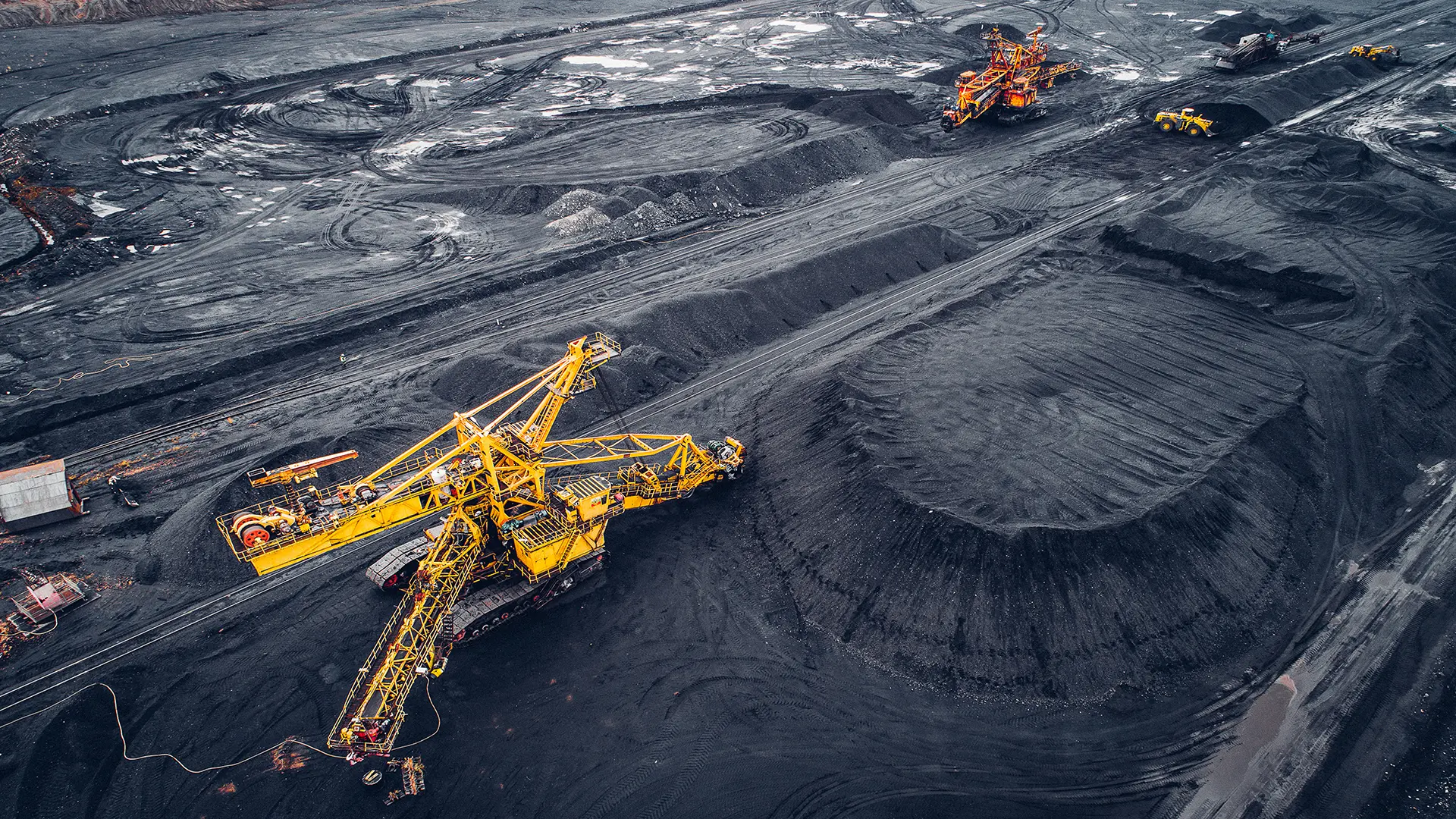
The newly approved bill establishes a structured federal framework designed to coordinate mining exploration, processing, and industrial application under a unified national strategy. For decades, mining companies in Brazil have complained of regulatory overlapping, where municipal, state, and federal agencies clashed over environmental licensing and concession rights, stalling projects for up to a decade.
Under the new policy, critical minerals will receive prioritized "strategic status." This classification allows the federal government to fast-track environmental permitting processes without compromising ecological standards, particularly in ecologically sensitive areas. Additionally, the bill outlines the creation of specialized financing channels, leveraging state-backed development banks like the BNDES to offer low-interest loans for local processing and refining facilities.
"Brazil is sitting on a goldmine of the 21st century, but until now, we have lacked the key to open the vault," said a senior member of the congressional commission on mining and energy, speaking on condition of anonymity. "This bill is not just about digging holes; it is about bringing the entire industrial value chain—from mining to refining—to Brazilian soil."
Why Brazil Matters: The Reserve Paradox
The geopolitical urgency of the bill cannot be overstated. Western automakers and technology giants are scrambling to diversify their supply chains away from China, which currently controls over 70% of global rare earth extraction and upwards of 90% of magnet production.
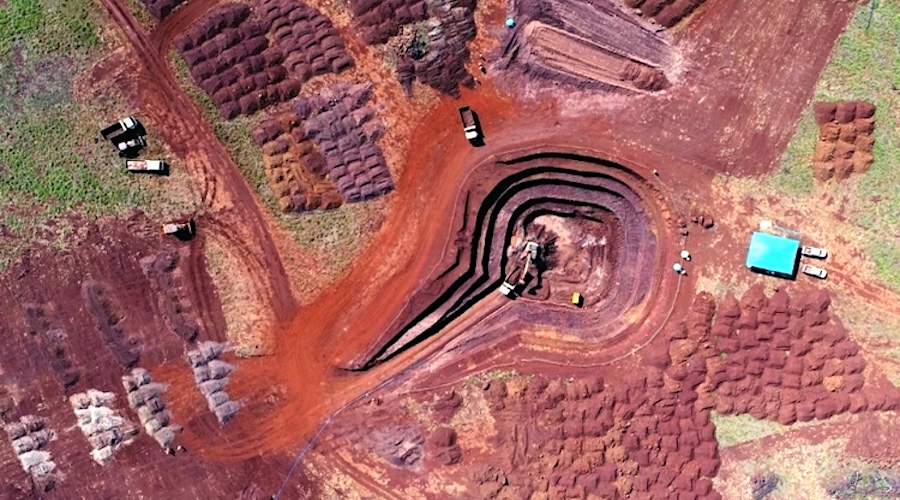
Brazil holds a unique position in this global chessboard. Despite relatively modest current production volumes, the country boasts some of the largest mineral deposits on Earth. It holds the world’s second-largest reserves of rare earth elements and nickel, and dominates the global supply of niobium—a critical metal used to strengthen steel for aerospace and automotive applications. Furthermore, the country's "Lithium Valley" in the state of Minas Gerais has rapidly emerged as a low-cost, high-grade lithium frontier.
Brazil's Critical Mineral Resource Profile
The table below highlights Brazil's current standing in terms of global reserves and production for key transition metals, illustrating the massive growth potential the new policy aims to unlock:
| Mineral Element | Global Reserve Ranking | Estimated Reserves | Current Production Status | Primary Industrial Application |
|---|---|---|---|---|
| Niobium | 1st | Over 90% of global total | Global Dominance | Aerospace, Superalloys, EV batteries |
| Rare Earth Elements (REE) | 2nd | ~21 Million Tonnes | Underdeveloped / Early Stage | Permanent Magnets, Wind Turbines, Defense |
| Nickel | Class-Leading (Top 5) | Significant Tropical Laterite Deposits | Moderate Exporter | EV Battery Cathodes, Stainless Steel |
| Lithium | Top 10 (High Grade) | Rapidly Expanding (Minas Gerais) | Surging Production | Lithium-ion Batteries |
Key Pillars of the National Policy
The legislation rests on four core pillars intended to reassure international markets while protecting national interests:
- Regulatory Fast-Tracking: Establishing a "single-window" clearance system for critical mineral projects deemed of strategic national importance, significantly reducing project lead times.
- Fiscal and Financial Incentives: Introducing tax holidays and specialized credit lines for companies that commit to domestic processing, ensuring Brazil does not merely export raw ore but captures downstream value.
- Geological Mapping and Public Investment: Allocating federal funds to the Geological Survey of Brazil (CPRM) to conduct deep-crust mapping, de-risking early-stage exploration for private players.
- Strict ESG Compliance: Ensuring that all fast-tracked projects adhere to world-class Environmental, Social, and Governance (ESG) criteria, particularly regarding water usage and relations with indigenous communities, to appeal to ESG-conscious Western buyers.
Market Implications and Geopolitical Fallout
Global mining conglomerates and battery manufacturers have welcomed the legislative development. Shares of mining operations focused on Brazil saw immediate positive movement on international exchanges following the announcement.
For Washington and Brussels, the bill’s passage is a highly anticipated win. Both the US and the European Union have recently signed bilateral agreements with Brazil to secure reliable supply chains for transition metals. By establishing a stable, predictable legal framework, Brazil has effectively signaled that it is ready to absorb the massive capital outflows fleeing more volatile jurisdictions.
However, challenges remain. Environmental advocacy groups have already expressed concern that "fast-tracking" could be used as a loophole to bypass rigorous environmental impact assessments in vulnerable biomes, particularly the Cerrado and the fringes of the Amazon basin. Mining executives counter that modern, highly regulated mining is the only way to fund the country’s broader transition to a low-carbon economy.
Future Outlook: A High-Stakes Race
The approval of the bill is only the opening salvo. The executive branch must now draft the specific regulatory decrees to implement the law, including defining the exact list of minerals that will fall under the "critical" designation. As global demand for transition metals is projected to skyrocket by over 400% by 2040, Brazil has positioned its chess pieces perfectly. The race to develop the next generation of clean-energy mega-mines has officially moved to Latin America.
Frequently Asked Questions (FAQ)
1. Why did Brazil need a specific national policy for critical minerals?
Historically, Brazil’s mining regulations treated all minerals similarly, leading to severe bureaucratic delays for high-tech metals. The new policy prioritizes critical minerals like lithium, rare earths, and nickel, streamlining environmental licensing and offering tax incentives to attract the massive foreign capital required to build modern extraction and refining infrastructure.
2. How does this policy affect global automotive and green-tech supply chains?
The policy directly addresses the Western world's urgent need to diversify away from China's near-monopoly on critical minerals and permanent magnets. By encouraging local refining and processing within Brazil, the bill helps establish a highly secure, ESG-compliant, and geographically diversified supply chain for EV manufacturers and clean-energy companies in North America and Europe.