Executive Takeaways
- Systemic Vulnerabilities: A fresh wave of cyberattacks has once again targeted commercial refrigeration and HVAC networks across European supermarkets, exposing critical gaps in operational technology (OT) security and IoT supply chain integrity.
- Supply Chain Cascades: Hackers are leveraging compromised third-party vendor credentials and unpatched remote management interfaces to breach centralized facility management systems, bypassing traditional corporate firewalls.
- Financial & Regulatory Exposure: With the implementation of the European Union’s stringent NIS2 directive and DORA regulations, boardrooms now face severe liability, massive regulatory fines, and enterprise valuation pressures for failing to secure physical infrastructure.
- Strategic Capital Realignment: Corporate boards are accelerating risk mitigation budgets, forcing an urgent pivot toward zero-trust architecture, edge computing isolation, and continuous automated threat monitoring.
For the second time in recent memory, the backbone of Europe’s retail food supply chain has proven alarmingly susceptible to remote digital intrusion. Across the continent, from suburban logistics hubs in Germany to high-end metropolitan hypermarkets in France and the UK, commercial refrigeration units have found themselves at the center of an escalating cyber security crisis. These attacks are not merely inconvenient pranks or isolated ransomware deployments; they represent a fundamental stress test of industrial Internet of Things (IoT) security, exposing how vulnerable modern enterprise infrastructure remains at the intersection of information technology (IT) and operational technology (OT).
As investigative reporting from major financial desks confirms, these incidents highlight a dangerous blind spot in corporate risk management. Supermarket chains operating on razor-thin net profit margins have historically prioritized supply chain velocity, energy efficiency, and low capital expenditure over robust cloud compute architecture and enterprise-grade cyber defenses. Today, that short-term optimization strategy has triggered long-term liabilities, raising urgent questions about how European retailers allocate capital to safeguard their foundational assets.
The Anatomy of the Intrusion: How Legacy OT Met Modern Cyber Threats
Test Our Free AI & Tech Utilities Suite
Calculate LLM API token costs, analyze article dwell-time, or simulate tech DCA returns.
Modern European supermarkets rely heavily on centralized Building Management Systems (BMS) and supervisory control and data acquisition (SCADA) networks to regulate thousands of interconnected refrigeration cabinets, cold rooms, and HVAC systems. These systems are designed for optimal energy consumption, automatically adjusting temperatures based on ambient conditions, store hours, and load-shedding protocols. However, this hyper-connected efficiency has inadvertently expanded the corporate attack surface.
According to preliminary threat intelligence reports and digital forensics shared with industry regulators, the latest wave of attacks exploited a familiar vulnerability: weak authentication protocols and unsecured remote maintenance portals supplied by third-party HVAC vendors. In many instances, malicious actors bypassed enterprise perimeters not by breaching the retailer’s central IT network directly, but by compromising the digital credentials of external contractors who maintained persistent, remote access to the refrigeration units.
Once inside the operational network, attackers gained root access to programmable logic controllers (PLCs). While the immediate disruptions involved localized temperature spikes—threatening millions of euros worth of perishable inventory—the broader implication was far more insidious. Threat actors demonstrated the capability to weaponize physical infrastructure, creating leverage for extortion demands and exposing the fragile nature of digitized retail operations.
Capital Allocation, Regulatory Compliance, and the NIS2 Imperative
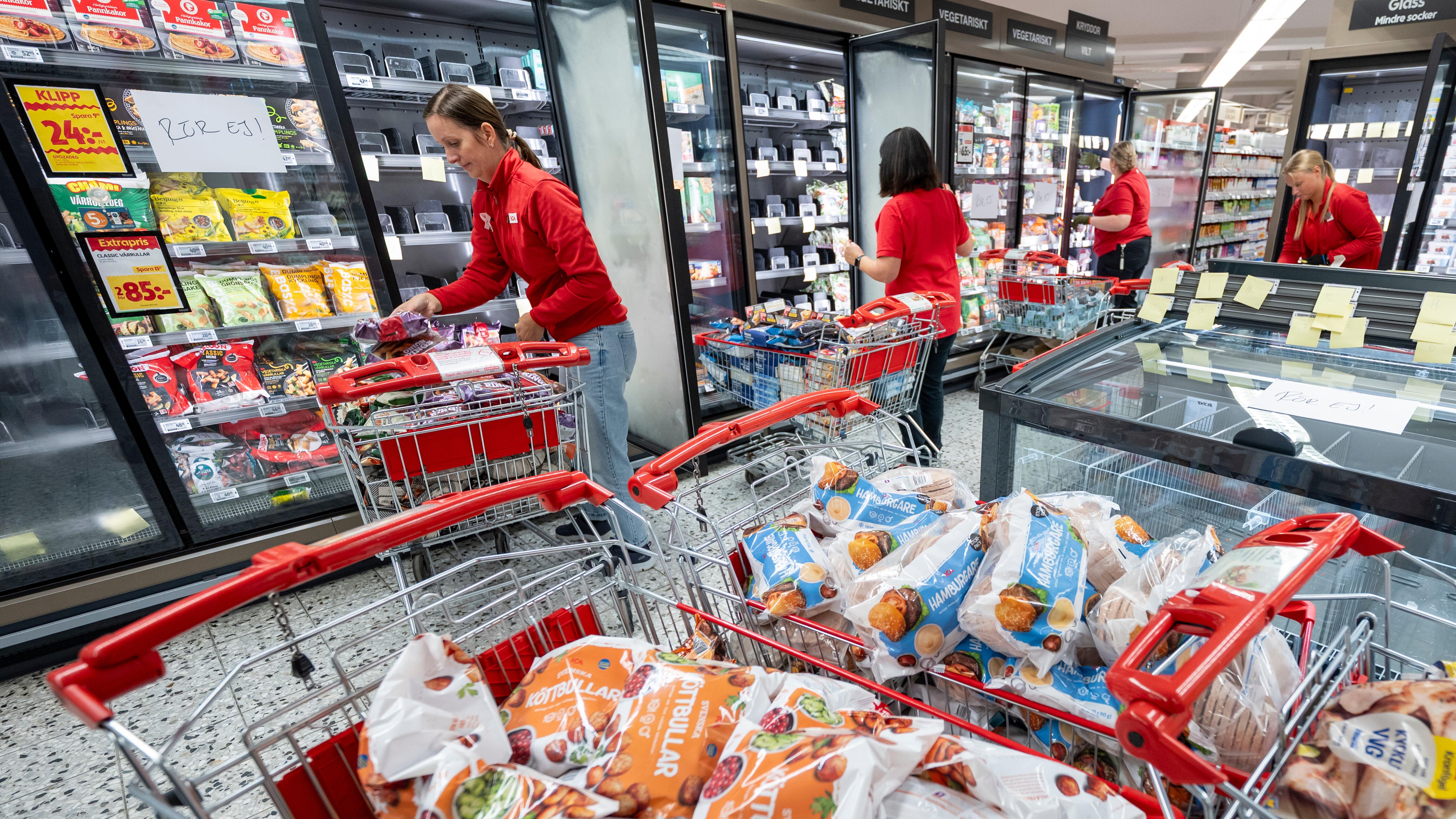
The reoccurrence of these cyber-physical breaches has sent shockwaves through European boardrooms, forcing institutional investors and chief risk officers (CROs) to re-evaluate capital allocation strategies. For years, cyber security budgets were siloed within traditional IT departments, leaving operational technology—such as refrigeration, lighting, and automated checkout systems—underfunded and poorly monitored.
This structural oversight is no longer tenable. The European Union’s Network and Information Security Directive (NIS2), which entered into force recently, imposes rigorous risk-mitigation standards and mandatory incident-reporting obligations on essential and important entities, including large-scale food distribution networks. Under NIS2, executive management can be held personally liable for systemic cyber security failures, fundamentally altering corporate governance in the retail sector.
| Metric / Parameter | Legacy Retail OT Architecture | Post-NIS2 Enterprise Standard |
|---|---|---|
| Vendor Access Control | Always-on VPNs, shared credentials | Zero Trust Network Access (ZTNA), Multi-Factor Authentication (MFA), Just-In-Time access |
| Network Segmentation | Flat networks merging IT and OT systems | Air-gapped subnets, real-time micro-segmentation |
| Regulatory Exposure | Minimal statutory penalties | Fines up to €10 million or 2% of global annual turnover |
| Threat Detection | Reactive manual audits | Continuous AI-driven anomaly detection on edge devices |
The financial impact of non-compliance extends far beyond regulatory fines. In an era where institutional asset managers increasingly factor environmental, social, and governance (ESG) metrics—alongside operational resilience—into equity valuation multiples, a high-profile infrastructure hack can trigger immediate market liquidity concerns, credit rating downgrades, and depressed share prices.
Industry & Market Implications: Who Wins, Who Loses
The recurring compromise of supermarket refrigeration units is reshaping the competitive landscape across Europe, dividing the retail sector into proactive digital leaders and vulnerable laggards.
The Losers: Legacy Operators and Unvetted Vendors
Supermarket chains that have deferred infrastructure upgrades and relied on legacy, unpatched control systems face severe headwinds. Beyond direct inventory write-offs and emergency remediation costs, these brands risk catastrophic reputational damage. Consumers fickle about food safety and sustainability will quickly shift loyalty to competitors with demonstrably secure supply chains. Furthermore, third-party HVAC and maintenance contractors who fail to meet rigorous enterprise cybersecurity standards are finding themselves aggressively unceremoniously dropped from corporate vendor lists.
The Winners: Enterprise Cybersecurity and OT Monitoring Firms
Conversely, a massive windfall is flowing toward specialized cybersecurity providers, particularly those specializing in industrial IoT (IIoT) protection, edge computing security, and automated threat intelligence platforms. Enterprise software vendors offering zero-trust network access (ZTNA) and automated micro-segmentation tools are experiencing surging demand as retailers scramble to secure their operational environments. Infrastructure scalability firms that can deploy secure, cloud-managed edge architectures without disrupting continuous retail operations are commanding premium valuation multiples in private and public markets.
Frequently Asked Questions (People Also Ask)
Why do hackers specifically target supermarket refrigeration units?
Refrigeration units represent high-leverage points within operational technology (OT) networks. Because these systems are connected to centralized building management platforms to optimize energy use, they often serve as a digital bridge into broader corporate networks. Furthermore, threatening perishable inventory creates immediate operational panic and financial loss, maximizing the psychological and economic pressure for ransom payouts.
Are customer data and credit card transactions at risk during these attacks?
In most documented cases, the intrusions are confined to the operational technology (OT) network governing facilities management, HVAC, and refrigeration. Point-of-sale (POS) systems and customer databases typically reside on heavily segregated corporate IT networks. However, sophisticated threat actors frequently use OT networks as a staging ground to pivot laterally into core financial and administrative databases if network micro-segmentation is inadequate.
How are European regulations changing corporate liability for these hacks?
The rollout of the EU’s NIS2 Directive fundamentally shifts legal accountability directly to corporate executive boards. Companies operating critical infrastructure, including large food retail chains, can face crippling financial penalties—up to €10 million or 2% of total worldwide annual turnover—alongside mandatory public disclosure requirements if they fail to implement adequate cyber security risk management measures.
What immediate technical steps can supermarkets take to prevent future incidents?
Retailers must immediately audit all third-party vendor access points, replacing legacy virtual private networks (VPNs) with Zero Trust Network Access (ZTNA) and mandatory multi-factor authentication (MFA). Additionally, organizations must enforce strict network micro-segmentation to decouple refrigeration and HVAC controls from corporate IT systems, complemented by continuous, AI-driven anomaly detection at the edge.
Future Outlook: What Comes Next
As European commerce navigates an increasingly hostile digital landscape, the recent spate of supermarket refrigerator hacks serves as a stark warning to all asset-heavy industries. The era of treating operational technology as an isolated, set-and-forget utility is definitively over.
Over the next 12 to 18 months, market analysts anticipate several critical milestones:
- Mandatory Vendor Cyber-Auditing: Major retail conglomerates will mandate continuous, third-party verified security audits for every HVAC, refrigeration, and logistics contractor before contract renewal.
- Edge-Computing Decentralization: Retailers will increasingly invest in smart, autonomous edge devices capable of local anomaly detection and fail-safe operation, reducing reliance on vulnerable cloud-connected central management servers.
- Insurance Market Realignment: Cyber insurance underwriters will tighten policy exclusions for OT-related breaches, requiring verifiable implementation of zero-trust architecture before issuing coverage for business interruption and inventory loss.
Ultimately, the resilience of Europe’s food supply chain will depend on how rapidly corporate leadership embraces cyber security not as an IT cost center, but as an indispensable pillar of enterprise risk mitigation and long-term valuation stability.