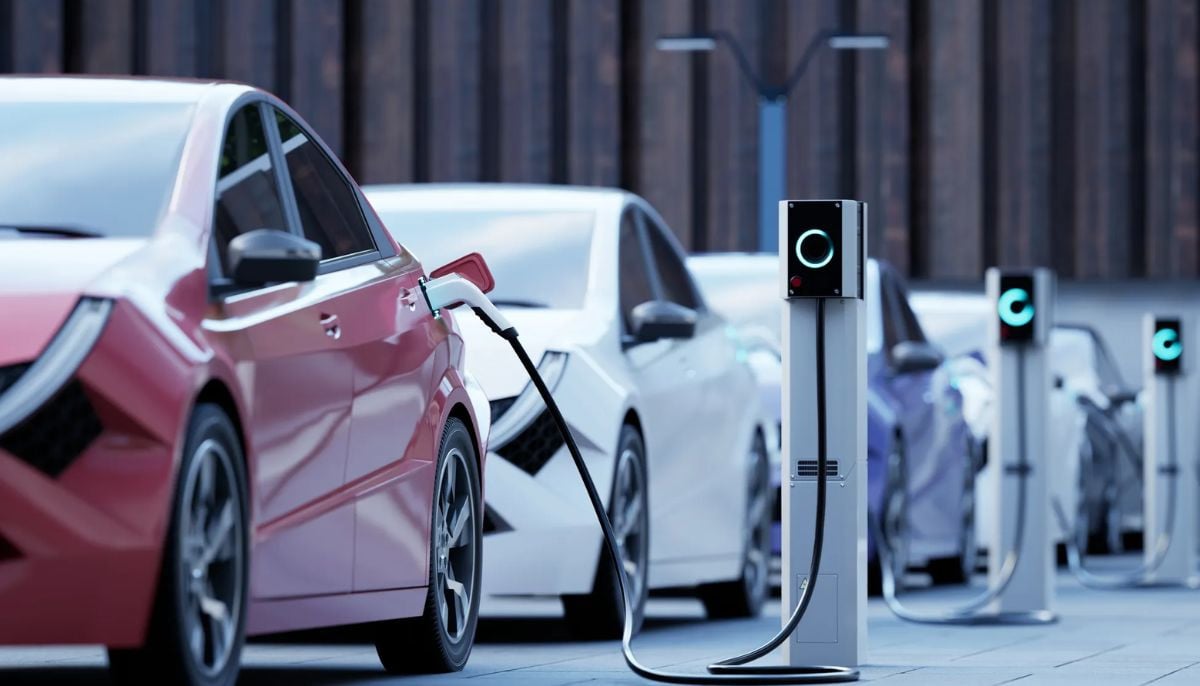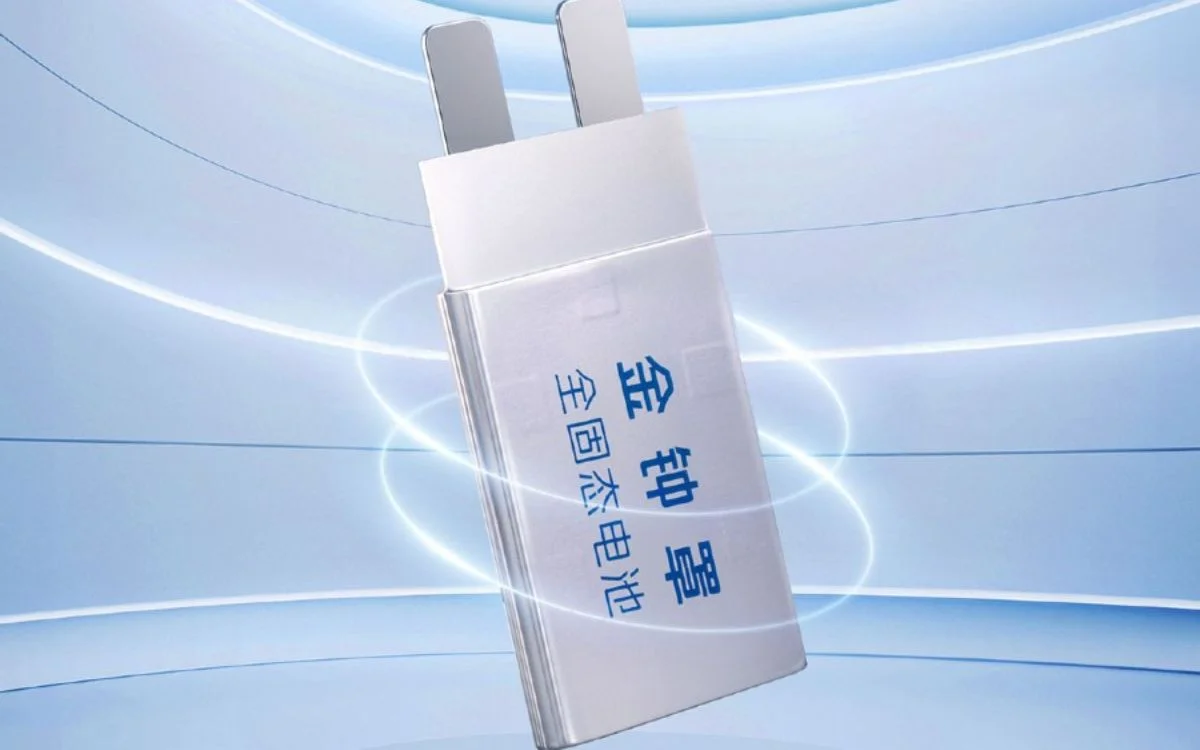
BEIJING & NEW DELHI — The narrative of "range anxiety" that has dogged the global electric vehicle (EV) transition for over a decade is being rewritten in real time. In a massive technological leap, Chinese automakers and battery manufacturers have begun the commercial rollout of next-generation solid-state and ultra-high-density semi-solid-state EV batteries. These powerhouses promise a range of nearly 1,000 miles (approximately 1,600 kilometers) on a single charge.
This deployment marks a critical inflection point for the global automotive industry. For years, solid-state batteries were regarded as a distant "holy grail" technology—highly praised in laboratories but deemed too expensive and complex for mass production before the 2030s. However, aggressive state-backed research, capital injection, and rapid pilot-line scaling in China have pulled that timeline forward, catching Western legacy automakers and global rivals off-guard.
The Tech Behind the 1,000-Mile Leap
To understand the magnitude of this breakthrough, one must look at the chemistry. Standard electric vehicles currently on the road rely on lithium-ion batteries with liquid electrolytes. While efficient, these liquid mediums face strict physical limits in energy density, carry thermal runaway (fire) risks under extreme stress, and degrade significantly in freezing temperatures.
Solid-state batteries replace this liquid electrolyte with a solid conductive material, such as ceramics, polymers, or sulfides. This fundamental shift allows manufacturers to utilize lithium-metal anodes, which drastically increase the battery's volumetric and gravimetric energy density.
- Energy Density Doubled: While conventional liquid-electrolyte batteries hover around 250 to 300 Watt-hours per kilogram (Wh/kg), China's newly deployed semi-solid and solid-state packs are registering energy densities between 360 Wh/kg and 500 Wh/kg.
- Unprecedented Thermal Stability: By eliminating volatile liquid solvents, the risk of thermal runaway is virtually eliminated, paving the way for safer, faster charging cycles without complex, heavy cooling systems.
- All-Weather Resilience: Unlike liquid batteries that lose up to 30% of their range in freezing winter temperatures, solid-state electrolytes maintain high ionic conductivity even in sub-zero conditions.
The Pioneers Leading the Charge
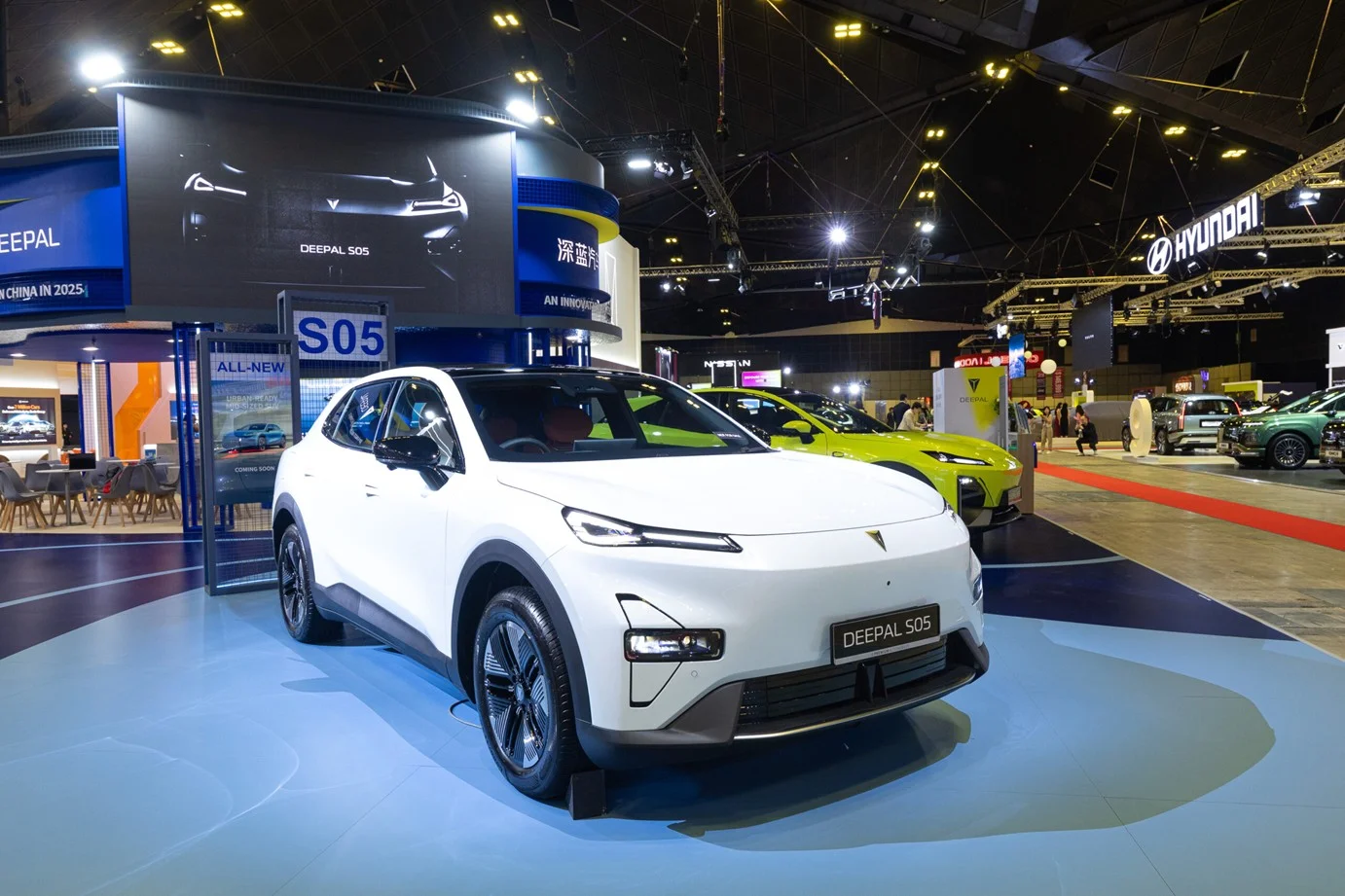
The charge is led by a cohort of Chinese battery disruptors and state-backed automotive giants. NIO, a premium Chinese EV maker, has pioneered the deployment of a 150 kWh semi-solid-state battery pack developed in partnership with Beijing WeLion New Energy Technology. In real-world highway testing, the vehicle achieved over 650 miles on a single charge with remaining capacity, laying the groundwork for the 1,000-mile true solid-state packs now entering commercialization.
Simultaneously, SAIC Motor's premium electric brand, IM Motors, has begun deliveries of its L6 sedan, equipped with "Lightyear" solid-state batteries co-developed with QingTao Energy. These vehicles boast ultra-fast charging capabilities, allowing drivers to add nearly 250 miles of range in just 12 minutes under optimal conditions.
Meanwhile, CATL—the world’s largest battery manufacturer—and BYD are aggressively ramping up their own condensed and solid-state battery production lines to secure their dominance in the global export markets.
Executive Summary: The Generational Disruption in Numbers
The transition from traditional liquid-electrolyte batteries to solid-state alternatives represents a paradigm shift in automotive engineering. Below is a comparative breakdown of how this breakthrough alters the EV landscape:
| Metric / Feature | Conventional Liquid Li-ion (Average) | Next-Gen Chinese Solid-State (2026) | Industry Impact |
|---|---|---|---|
| Energy Density | 240 – 300 Wh/kg | 450 – 500 Wh/kg | Lighter cars, double the range capacity. |
| Maximum Range | 300 – 400 Miles | 850 – 1,000 Miles | Matches or exceeds gasoline-powered ranges. |
| 10-80% Charge Time | 25 – 45 Minutes | 10 – 15 Minutes | Minimizes time spent at public charging plazas. |
| Thermal Safety Profile | Moderate (Risk of fire on puncture) | Excellent (Non-flammable solid core) | Reduces vehicle safety recalls and insurance premiums. |
Geopolitical and Economic Shockwaves
From the boardrooms of Detroit to the policy corridors of Brussels and Tokyo, this commercial rollout is causing severe anxiety. The United States, through the Inflation Reduction Act (IRA), and the European Union have poured billions into localizing battery supply chains. However, these efforts have largely focused on catching up to existing lithium-ion technologies.
“China is not just winning the current battery race; they are already laps ahead in the next one,” notes a senior automotive analyst based in Mumbai. “While Western legacy OEMs are still grappling with high production costs for traditional EVs, Chinese players are commercializing technologies that render current platforms semi-obsolete.”
This technological leap presents a massive challenge for global policymakers. Protectionist tariffs aimed at shielding domestic automakers from cheap Chinese EV imports could inadvertently deny Western consumers access to the safest, longest-range battery technology on Earth. This could slow down overall carbon-reduction goals in Western markets.
The Remaining Bottlenecks
Despite the euphoria, challenges remain. Mass manufacturing solid-state batteries requires highly specialized cleanrooms with ultra-low humidity levels and entirely new assembly processes. Consequently, the initial production cost of these 1,000-mile packs remains exceptionally high.
To bypass this, companies like NIO are utilizing innovative Battery-as-a-Service (BaaS) subscription models. Instead of purchasing the expensive 1,000-mile solid-state pack upfront, drivers can buy a vehicle with a standard battery and temporarily rent the ultra-high-range solid-state pack for long-distance road trips. This unique economic model could serve as a template for global adoption as manufacturing scales and costs decrease over the next three to five years.
Frequently Asked Questions
When will 1,000-mile solid-state EV batteries be available in Western markets?
While the initial rollout is concentrated in China, global commercialization is expected to scale gradually. Western markets will likely see these batteries integrated into premium vehicle imports or localized joint-venture platforms by 2028 to 2030, depending on import tariffs, regulatory approvals, and supply chain adaptations.
Are solid-state batteries safer than the batteries currently in use?
Yes, significantly. Solid-state batteries replace volatile, flammable liquid electrolytes with solid, non-flammable materials. This drastically reduces the likelihood of thermal runaway and battery fires resulting from high-speed collisions, structural punctures, or electrical overcharging.