A Seismic Shift at the Fed: Kevin Warsh Sworn In as Chair, Primed to Rewrite the Interest Rate Playbook
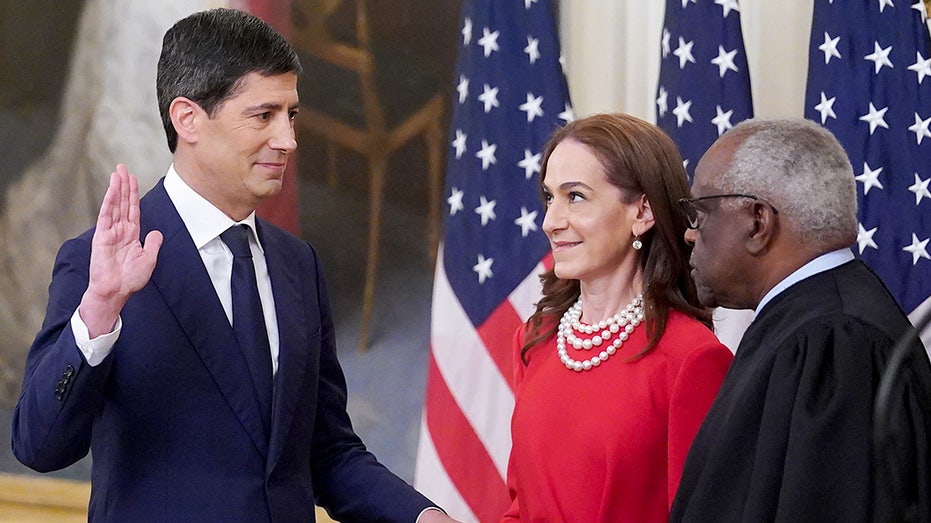
WASHINGTON — In a move that marks the beginning of a defining chapter for global monetary policy, former Federal Reserve Governor Kevin Warsh has officially been sworn in as the Chair of the Federal Reserve. Taking the helm at a critical economic juncture, Warsh’s leadership is poised to trigger immediate re-evaluations of interest rate trajectories, sending shockwaves through Wall Street and global capital markets.
The transition, confirmed by central bank officials following a quiet but high-stakes swearing-in ceremony on Capitol Hill, concludes months of intense speculation. As the global economy teeters between cooling inflation and stubborn growth bottlenecks, Warsh’s ascendancy to the world's most powerful economic seat is expected to dramatically reshape the Federal Open Market Committee's (FOMC) upcoming policy decisions. Investors are already adjusting their portfolios, anticipating a shift in how the central bank handles its next phase of monetary easing.
Executive Summary: What the Warsh Fed Means for Investors
- A New Direction on Rate Cuts: While the previous regime favored a highly cautious, data-dependent approach to easing, Warsh is widely expected to bring a more decisive, market-responsive framework to future rate cuts.
- Hawk vs. Pragmatist: Historically viewed as an inflation hawk during his previous Fed tenure (2006–2011), analysts suggest Warsh may now champion a pragmatic strategy aimed at boosting productivity and streamlining credit flow.
- Immediate Market Reaction: Treasury yields experienced sharp intraday volatility following the news, with the 10-year yield adjusting as traders priced in a more dynamic regulatory and monetary landscape.
- Global Spillover: From the corridors of the Reserve Bank of India to the European Central Bank, international policy-makers are bracing for a stronger U.S. dollar and potential capital reallocation back to American debt markets.
The Warsh Pedigree: Returning to the Eccles Building
Kevin Warsh is no stranger to the inner workings of the Federal Reserve. Appointed to the Board of Governors in 2006 at the age of 35, he was the youngest governor in the history of the institution. During his initial tenure, which spanned the worst of the 2008 Global Financial Crisis, Warsh served as a crucial liaison between the central bank and Wall Street, earning a reputation as a pragmatic dealmaker who understood market liquidity better than most academic economists.
His return as Chair represents a structural departure from his predecessors. Unlike academic purists, Warsh’s background combines Wall Street experience (as a former executive at Morgan Stanley) with deep fiscal-policy expertise. This dual perspective is precisely what supporters believe will help the Fed navigate an era defined by ballooning sovereign debt, supply-chain shifts, and the rapid rise of digital finance.
"The Fed cannot operate in an academic vacuum," Warsh noted during his recent congressional confirmation hearings. "We must be attentive to the real-time feedback loops of the financial markets, ensuring that our policies support sustainable, non-inflationary growth without distorting asset prices."
The Policy Crucible: Will Warsh Accelerate or Delay Rate Cuts?
The primary question dominating trading desks globally is how the Warsh-led Fed will handle the current rate-cut cycle. Current market pricing had previously assumed a slow, highly predictable sequence of quarter-point cuts. However, Warsh’s historical skepticism toward prolonged quantitative easing suggests he may favor a "higher-for-longer" baseline on core interest rates, punctuated by swift, aggressive cuts only if growth trends show genuine signs of distress.
Many institutional economists believe Warsh will seek to normalize the Fed's balance sheet more rapidly than previously planned. By reducing the central bank’s massive bond portfolio, Warsh could look to restore traditional market dynamics, even if it means short-term pain for risk assets.
Conversely, some supply-side economists argue that Warsh will use his platform to advocate for structural economic reforms, coordinating closely with treasury officials to align monetary policy with fiscal incentives that boost domestic industrial output. Under this scenario, rate cuts could be deployed strategically to spur capital expenditure in high-yield technology and manufacturing sectors.
Comparative Outlook: The Fed Under New Management
To help navigate this transition, the table below outlines the anticipated shifts in key policy areas under the new Warsh administration compared to the previous Federal Reserve baseline:
| Policy Vector | Previous Fed Baseline | Projected Warsh Era Approach | Market Implication |
|---|---|---|---|
| Interest Rate Trajectory | Gradual, predictable 25 bps cuts. | Data-driven, asymmetric, and swift cuts if growth stalls. | Increased near-term bond market volatility. |
| Balance Sheet (QT) | Slow, passive runoff of assets. | Aggressive reduction of the Fed's balance sheet. | Upward pressure on long-duration Treasury yields. |
| Wall Street Regulation | Strict adherence to Basel III endgame. | Streamlined, market-friendly regulatory framework. | Bullish sentiment for major banking equities. |
| Global Alignment | Focus on domestic mandates first. | High awareness of global capital flows and dollar dominance. | Supportive of a resilient, highly competitive USD. |
Wall Street and Global Reactions
The response from the global financial community has been a mixture of cautious optimism and intense preparation. In New York, equity futures showed resilience, with regional bank stocks leading a modest rally on expectations that a Warsh-led Fed might roll back some of the more stringent capital requirements proposed under the Basel III endgame guidelines.
In Mumbai and London, currency strategists are analyzing the potential fallout for emerging market assets. A hawkish-leaning Warsh could keep U.S. yields elevated, making it more expensive for foreign entities to service dollar-denominated debt and forcing foreign central banks to delay their own domestic rate-cutting cycles to prevent capital flight.
"We are looking at a Federal Reserve that will be far less predictable, but perhaps far more decisive," said a Chief Market Strategist at a tier-one investment bank. "Warsh does not view the Fed as an insulation mechanism for Wall Street's mistakes. He is focused on systemic health, and that means investors must brace for a higher cost of capital than they were accustomed to over the last decade."
Looking Ahead: The First FOMC Meeting
All eyes now turn to the upcoming FOMC meeting, which will be Warsh’s first opportunity to set the tone as Chair. Market participants will dissect every syllable of the post-meeting press conference, searching for clues on the terminal rate and the Fed's appetite for risk-management shifts.
Whether Warsh chooses to signal an immediate pause in the current easing cycle or surprises the market with a recalibrated economic outlook, one thing is certain: the era of highly predictable, consensus-driven Fed policy is over. A more dynamic, market-savvy era has begun.
Frequently Asked Questions (FAQ)
Q1: Why is Kevin Warsh's appointment expected to heavily influence future rate cuts?
A1: Unlike career academics, Kevin Warsh has deep roots in both private investment banking and practical crisis management. He is widely expected to abandon the highly rigid, predictable guidance of the past in favor of a flexible, market-responsive approach. His historical stance suggests he will only support rate cuts that are backed by clear structural needs rather than merely pleasing equity markets, potentially leading to fewer but more impactful rate adjustments.
Q2: How could Warsh's chairmanship impact retail borrowers and everyday consumers?
A2: If Warsh pursues his anticipated goal of normalizing interest rates and aggressively shrinking the Fed's balance sheet, consumers could see borrowing costs—such as mortgage rates, auto loans, and credit card rates—remain elevated for longer. However, if his policies successfully curb long-term inflationary pressures and stimulate domestic production, consumers could ultimately benefit from stabilized purchasing power and a healthier labor market.