The Beijing Bottleneck: China’s 80% Grip on Iranian Oil Sets Up a High-Stakes Clash with Trump
WASHINGTON & BEIJING — As Donald Trump prepares to reclaim the Oval Agency with promises of a renewed “maximum pressure” campaign against Tehran, the incoming administration faces a formidable, deeply entrenched geopolitical obstacle: Beijing.
Fresh data from commodity tracking firm Kpler reveals that China has cemented its position as the undisputed economic lifeline of the Islamic Republic, purchasing more than 80% of Iran’s seaborne crude exports. This near-monopoly on Iranian oil not only cushions Tehran against harsh international sanctions but also hands Beijing unprecedented strategic leverage in the Middle East—creating a high-stakes flashpoint for U.S. foreign policy.
The numbers underscore a deepening economic axis between the world’s second-largest economy and a heavily sanctioned OPEC member. For Washington policymakers, breaking this cycle requires navigating a complex web of dark-fleet tankers, independent Chinese refineries, and high-level diplomatic friction.
The Anatomy of Beijing’s Oil Monopoly
China’s grip on Iranian petroleum is neither accidental nor transient. It is the product of years of discounted crude transactions, bilateral trade agreements, and a sophisticated network designed to evade Western financial surveillance. According to shipping data, the vast majority of Iran’s daily oil output—averaging around 1.5 million barrels per day—flows steadily toward Chinese ports.
These transactions are largely insulated from Western banking systems. Independent Chinese refiners, often referred to by traders as "teapot" refineries clustered in Shandong province, willingly absorb the discounted barrels. They process the crude at highly lucrative margins, boosting domestic industrial output while effectively neutralizing unilateral U.S. sanctions.
Diplomatic engagement has marched in lockstep with commercial ties. Highlighting the strength of the alliance, senior Chinese diplomat Wang Yi met with Iran’s foreign minister to reinforce bilateral cooperation. While Beijing often walks a delicate diplomatic tightrope in the Middle East to maintain trade relations with Gulf monarchies, its economic commitment to keeping Iranian oil flowing remains unwavering.
Key Market Metrics at a Glance
| Metric | Data Point | Source / Context |
|---|---|---|
| Chinese Import Share | > 80% | Kpler tracking data on seaborne Iranian crude exports. |
| Iran’s Primary Trade Partner | China | Bilateral trade volume driven by energy and infrastructure. |
| Primary Buyers | Independent "Teapot" Refineries | Located primarily in Shandong province, operating outside major Western networks. |
| Geopolitical Impact | Maximum Pressure Test | Directly blunts incoming U.S. economic sanctions under Trump. |
Why the 80% Threshold Matters for Trump’s Strategy
During his first term, President Trump’s "maximum pressure" strategy aimed to drive Iran’s oil exports down to zero, choking off the regime's primary source of revenue and forcing Tehran to renegotiate its nuclear program.
However, the geopolitical landscape has shifted dramatically since 2020. The emergence of a robust, shadow maritime infrastructure—including ship-to-ship transfers, spoofed transponders, and flag-swapping tankers—has made sanction enforcement vastly more difficult. More importantly, China’s willingness to act as a buyer of last resort has rendered traditional U.S. secondary sanctions largely ineffective against Beijing's state-backed commercial apparatus.
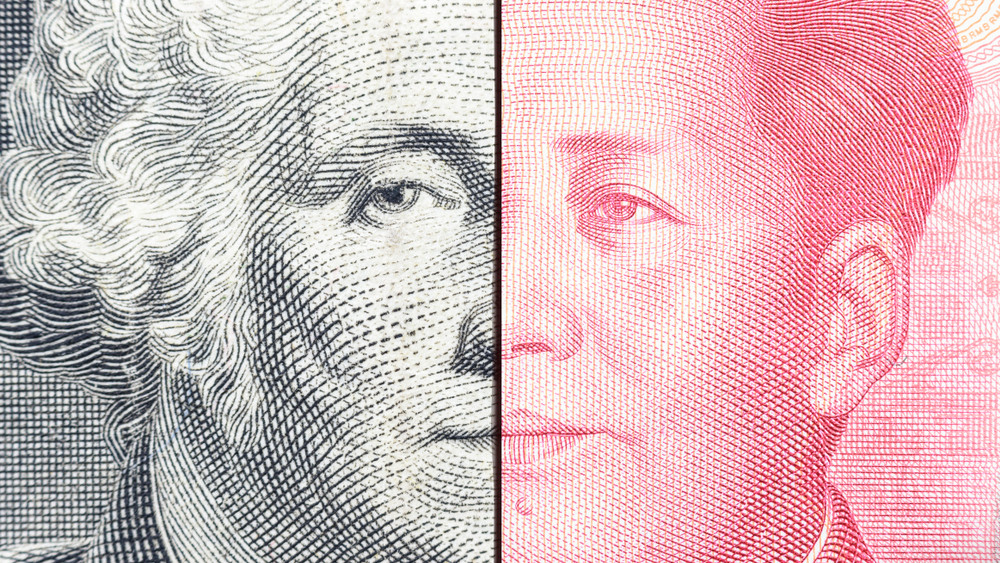
- Economic Insulation: Iranian state revenues are propped up by steady RMB-denominated or barter-based oil sales to China, bypassing the U.S. dollar.
- Diplomatic Shield: As a permanent member of the UN Security Council, Beijing provides Tehran with vital diplomatic cover against renewed international censure.
- Strategic Alignment: The energy trade reinforces a broader Sino-Iranian strategic partnership, tying Middle Eastern energy security directly into China’s long-term grand strategy.
The Policy Dilemma Ahead
For the incoming U.S. administration, the choices are stark. Escalating enforcement would require targeting major Chinese financial institutions and shipping networks—a move that risks triggering a severe escalation in broader U.S.-China trade relations. Conversely, failing to stem the flow of Iranian crude leaves a multi-billion-dollar deficit in the "maximum pressure" architecture.
Energy analysts note that unless Washington is willing to impose aggressive secondary sanctions directly on Chinese ports and independent refiners, Beijing’s 80% shield will continue to safeguard Tehran from economic collapse.
Frequently Asked Questions
Why does China buy so much oil from Iran?
China benefits from significant discounts on Iranian crude, which helps lower input costs for its independent refineries. Additionally, these transactions are often conducted outside the U.S. dollar system, aligning with Beijing’s broader goal of financial de-dollarization.
How does this impact U.S. sanctions?
Beijing's large-scale purchases effectively undermine U.S. unilateral sanctions. Because China is willing to trade with Iran despite American restrictions, Tehran retains the financial oxygen needed to fund domestic operations and regional proxies, complicating Washington's deterrence strategy.