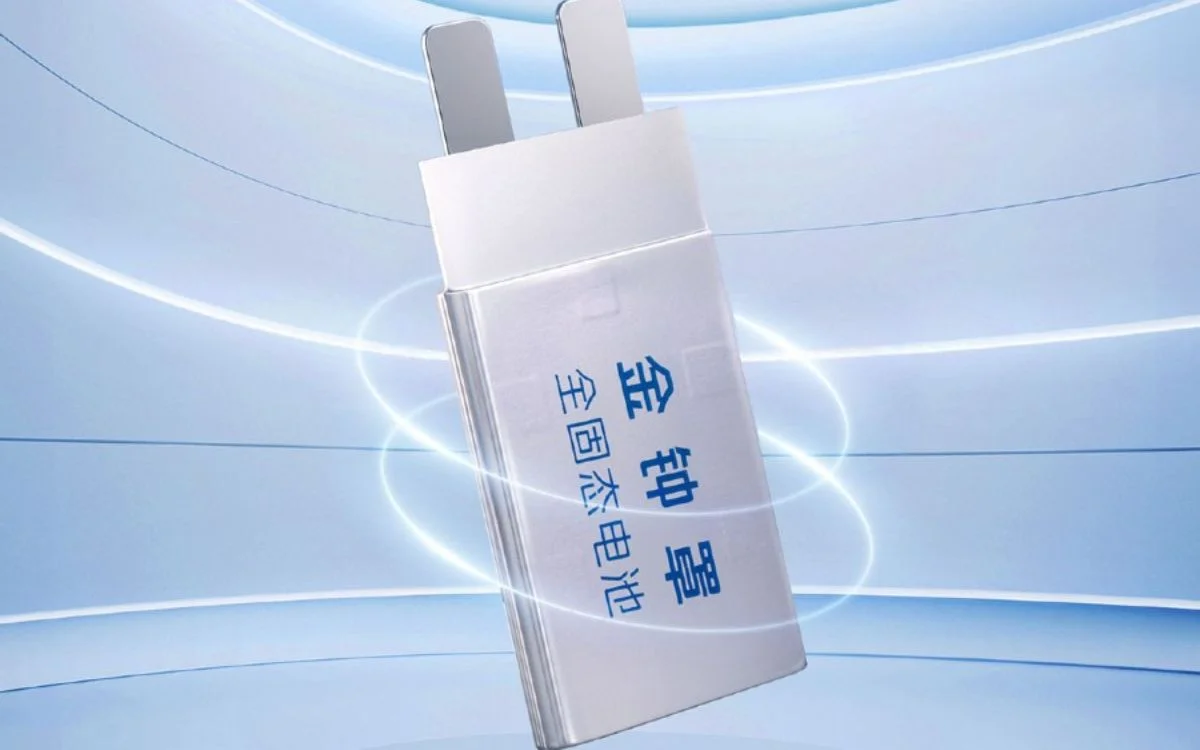
SHANGHAI & NEW YORK — The holy grail of electric vehicle engineering has officially transitioned from the laboratory to the commercial assembly line. According to industry reports and primary tracking from Electrek, Chinese battery manufacturers and major automakers have commenced the rollout of next-generation solid-state EV batteries, shattering previous range limitations by promising nearly 1,000 miles on a single charge.
This seismic shift in energy storage technology threatens to upend global automotive supply chains, pressure Western automakers lagging in solid-state development, and effectively eliminate consumer range anxiety once and for all. As Beijing accelerates its technological dominance in the green energy sector, legacy automakers in Detroit, Wolfsburg, and Tokyo find themselves staring down a rapidly closing window of competitiveness.
The Breakthrough: What’s Actually Happening on the Ground?
For over a decade, automotive analysts have flagged solid-state batteries (SSBs) as the ultimate disrupter in the EV transition. Unlike conventional lithium-ion cells that utilize liquid electrolytes—which are prone to thermal runaway, degradation, and capacity limits—solid-state batteries employ solid electrolytes made of ceramics, polymers, or sulfides.
The operational rollout in China marks the commercialization milestone the industry has spent billions to achieve. By swapping liquid for solid components, engineers have drastically increased energy density while shrinking the physical footprint of the battery pack. Vehicles equipped with these advanced cells can now pack significantly more kilowatt-hours into the same chassis space, unlocking the elusive 1,000-mile (approx. 1,600 kilometers) driving range threshold.
Furthermore, these systems offer hyper-fast charging capabilities and enhanced safety profiles, drastically reducing the risk of battery fires. Industry insiders note that initial commercial deployments are targeting premium luxury EV fleets before scaling down to mass-market segments over the next 24 to 36 months.
Key Pillars of the Chinese Solid-State Rollout
- Unprecedented Range: New commercial battery packs deliver up to 1,000 miles of certified driving range, fundamentally altering cross-country transit logistics.
- Accelerated Supply Chain Integration: Chinese battery giants and tier-one suppliers have successfully solved manufacturing bottlenecks, moving from prototype phases to active mass production.
- Superior Thermal Stability: The elimination of flammable liquid electrolytes solves the industry's persistent safety and fire-risk vulnerabilities.
- Global Competitive Pressure: Western and Asian competitors face immediate pressure to accelerate their own solid-state timelines, currently projected for the late 2020s.
Market Implications: A Wake-Up Call for Global Automakers
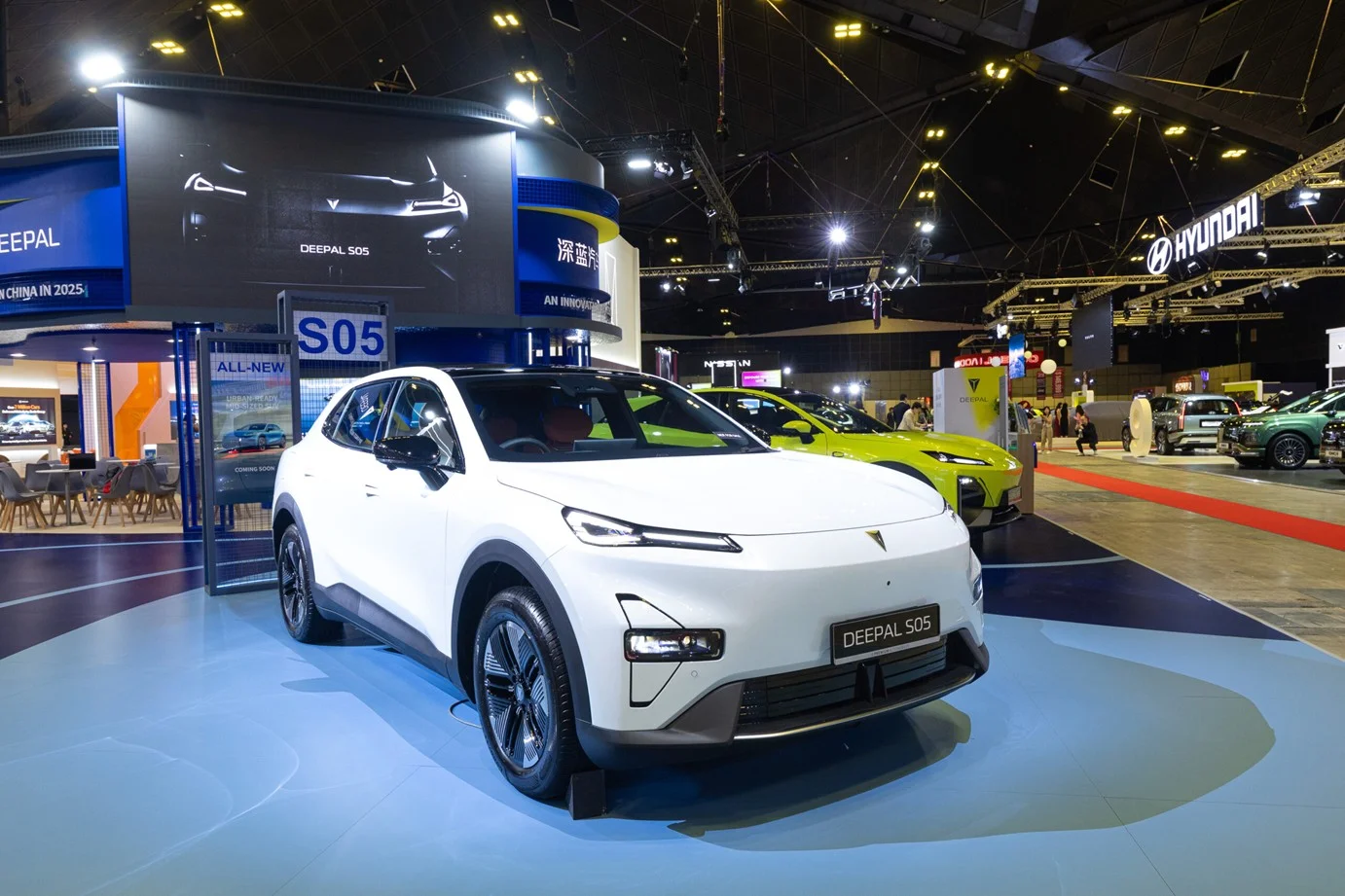
The commercialization timeline puts global rivals on notice. While American and European legacy automakers have projected mass-market solid-state adoption closer to 2030, Chinese firms are proving capable of compressing research-to-market cycles with state-backed capital and aggressive domestic supply chains.
Financial markets have reacted swiftly, re-evaluating valuations across the EV landscape. Companies reliant on traditional lithium-ion chemistry risk facing a swift obsolescence curve if consumer expectations shift toward 1,000-mile ranges and sub-ten-minute charging times as the new baseline standard.
| Feature / Metric | Traditional Lithium-Ion Batteries | New Chinese Solid-State Batteries |
|---|---|---|
| Max Range Potential | 300 – 450 miles | Up to ~1,000 miles |
| Electrolyte Type | Liquid / Gel (Flammable) | Solid (Ceramic/Polymer/Sulfide) |
| Energy Density | Moderate (~250 Wh/kg) | Ultra-High (400+ Wh/kg) |
| Commercial Status | Widespread / Mature | Initial Commercial Rollout (Active) |
The Road Ahead: Challenges and Global Outlook
Despite the celebratory mood in manufacturing hubs across Shenzhen and Shanghai, hurdles remain. Scaling production yields while driving down per-kilowatt-hour manufacturing costs will dictate how quickly these batteries penetrate affordable consumer vehicles. Scaling complex solid-state manufacturing lines requires precise chemical engineering and massive capital outlays.
Nevertheless, the psychological barrier of range anxiety has officially been shattered. As these vehicles hit public roads, policymakers and trade officials in Washington and Brussels will be forced to re-evaluate trade policies, tariffs, and domestic subsidies to ensure their domestic auto industries can survive the high-stakes solid-state era.
Frequently Asked Questions
1. When will cars with these solid-state batteries be available to everyday buyers?
Initial commercial rollouts are currently reaching the market in China, primarily integrated into high-end EV models. Broader consumer availability across mainstream price points is anticipated to scale globally between 2027 and 2030 as manufacturing output ramps up.
2. Do solid-state batteries require completely different charging infrastructure?
No. While solid-state batteries support significantly faster charging speeds and higher voltage architectures, they are designed to interface seamlessly with existing DC fast-charging networks, though upgrades to charging stalls will maximize their rapid-replenishment capabilities.