Executive Takeaways
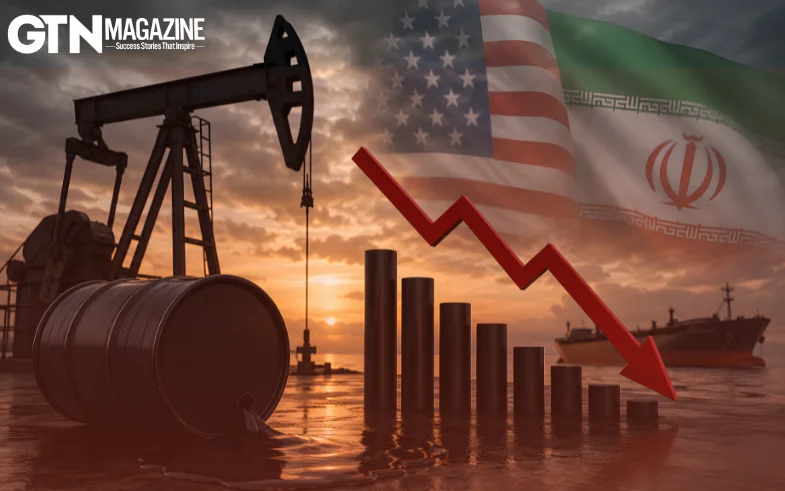
- Sudden Liquidation: U.S. benchmark West Texas Intermediate (WTI) and international benchmark Brent crude suffered an aggressive intraday correction exceeding 3.5%, driven by reports of accelerated diplomatic negotiations between Washington and Tehran.
- Risk Premium Collapse: Energy traders quickly unwound speculative long positions and geopolitical risk premiums, weighing the potential return of up to 1.5 million barrels per day of Iranian crude to international markets.
- Capital Allocation Shift: Institutional asset managers and corporate treasurers are reassessing risk mitigation strategies, capital expenditure cycles, and valuation multiples across upstream exploration and downstream refining sectors.
- Liquidity & Volatility: Derivative markets experienced heightened volume and compressed option skews as automated execution algorithms reacted to breaking wire reports from Middle Eastern capitals.
The Catalyst: Unraveling the Strait of Hormuz Risk Matrix
Test Our Free AI & Tech Utilities Suite
Calculate LLM API token costs, analyze article dwell-time, or simulate tech DCA returns.
Global energy markets experienced a sharp, liquidity-driven correction this week as benchmark crude futures plunged more than 3% following verified intelligence reports indicating substantive, backchannel diplomatic engagements between United States officials and Iranian representatives. The sudden shift in tone between Washington and Tehran sent immediate shockwaves through trading desks from Houston to Singapore, puncturing a stubborn geopolitical risk premium that had previously provided a robust floor for energy valuations amid ongoing Middle Eastern friction.
For months, commodities desks have priced in a persistent margin of error related to maritime security in the Strait of Hormuz—a vital chokepoint through which roughly a fifth of the world's petroleum passes daily. However, the revelation that high-level intermediaries have laid the groundwork for potential sanctions relief or an interim nuclear compliance framework forced portfolio managers to reevaluate their risk mitigation paradigms. Automated trading algorithms, sensitive to breaking geopolitical headlines, initiated immediate position unwinds, triggering cascading stop-loss orders across New York and London exchanges.
The macroeconomic implications extend far beyond immediate spot-price volatility. Chief risk officers and corporate treasurers across the energy ecosystem are now forced to stress-test their forward-looking financial models against a scenario where Iranian barrels re-enter legally compliant global supply chains. This potential influx arrives at a delicate juncture for the Organization of the Petroleum Exporting Countries and its allies (OPEC+), who have utilized production quotas and voluntary supply cuts to defend valuation multiples and stabilize global inventory balances.
Geopolitical Signaling and Market Mechanics
The mechanics of the sell-off reflect the acute sensitivity of modern commodity markets to supply-side elasticity. While physical crude balances have remained relatively tight heading into the peak seasonal demand periods, paper markets—dominated by managed futures funds, macro hedge funds, and swap dealers—operate on forward-looking expectations. When diplomatic channels open, the marginal barrel priced into future contracts shifts rapidly from scarce to accessible.
Market liquidity providers and primary dealers observed a distinct compression in term-structure spreads, with prompt-month futures weakening relative to deferred contracts. This flattening of the prompt curve signals an immediate alleviation of near-term supply anxiety, encouraging inventory holders to monetize stored volumes rather than roll expensive hedges forward. Enterprise-level consumers, including major airlines, chemical manufacturers, and logistics conglomerates, are closely monitoring these developments to optimize their procurement strategies and secure favorable forward contracts.
| Contract / Metric | Pre-Announcement Level | Post-Announcement Level | Net Percentage Change |
|---|---|---|---|
| WTI Crude Futures (Front Month) | $78.45 / bbl | $75.70 / bbl | -3.51% |
| Brent Crude Futures (Front Month) | $82.30 / bbl | $79.40 / bbl | -3.52% |
| implied Volatility (30-Day ATM) | 24.2% | 28.9% | +19.4% (Skew Shift) |
| Estimated Iranian Export Capacity | ~1.2M bpd (restricted) | Up to 2.5M bpd (potential) | Significant Upside |
Industry & Market Implications: Winners and Losers
A structural shift in U.S.-Iran relations carries profound implications across the industrial landscape, creating distinct classes of beneficiaries and detractors. Dissecting the capital allocation flows reveals how institutional investors are repositioning portfolios to capture value in a lower-price environment.
The Beneficiaries: Downstream Operators and Heavy Consumers
Refining and marketing companies stand to gain immediate operational relief. Independent refiners and integrated supermajors with extensive downstream assets benefit from lower feedstock costs, which typically expand crack spreads and improve working capital efficiency. Furthermore, transportation-heavy sectors—including global shipping lines, freight rail operators, and commercial airlines—experience direct margin expansion as jet fuel and diesel prices track the broader petroleum correction downward.
From a macroeconomic perspective, lower energy input costs act as a natural deflationary impulse, granting central bankers additional policy flexibility regarding interest rate trajectories. This dynamic supports broader equity market valuations by easing cost pressures on corporate profit margins.
The Detractors: Upstream Producers and OPEC+ Cohesion
Conversely, independent exploration and production (E&P) firms operating in North American shale basins face immediate earnings downgrades. As realized commodity prices retreat, capital expenditure budgets for non-OPEC producers may face downward revision, subduing activity in drilling and completion services. Additionally, OPEC+ faces a complex strategic dilemma: the re-introduction of sanctioned Iranian barrels would directly undermine the cartel's output management framework, potentially forcing member states to either absorb deeper production cuts or accept a structurally lower price band.
Frequently Asked Questions (People Also Ask)
Why did U.S. crude prices drop so sharply on diplomatic reports?
Crude prices dropped because markets rapidly priced out the "geopolitical risk premium." Traders had accumulated long positions anticipating supply disruptions in the Middle East. News of potential U.S.-Iran talks signaled that sanctions could ease, potentially releasing substantial volumes of stored Iranian oil into global markets, thereby increasing supply and depressing prices.
How many barrels per day could Iran add to global markets if sanctions are lifted?
Industry analysts estimate that a full normalization of diplomatic relations and subsequent removal of oil sanctions could allow Iran to ramp up production and export capacity by an additional 1.0 to 1.5 million barrels per day within a matter of months, utilizing currently underutilized fields and floating storage inventories.
What are the implications for inflation and central bank monetary policy?
A sustained decline in global energy prices reduces transportation, manufacturing, and consumer utility costs, serving as a powerful dampener on headline inflation. This eases cost-push pressures, giving central banks greater leeway to consider monetary easing or rate cuts without reigniting inflationary spirals.
How are corporate treasurers and energy investors adjusting their risk strategies?
Institutional investors and corporate hedging desks are actively rebalancing derivative portfolios, utilizing collar structures and put options to protect against further downside volatility while maintaining exposure to potential supply shocks. Capital expenditure plans across upstream operators are being stress-tested against a lower baseline price environment.
Future Outlook and Key Milestones to Watch
As diplomatic channels remain fluid, market participants must maintain rigorous vigilance over several key indicators. The primary metric to monitor is the formal cadence of bilateral communications between Washington and Tehran, alongside any official statements from the International Atomic Energy Agency (IAEA) regarding compliance verifications.
Additionally, upcoming ministerial meetings of the broader OPEC+ alliance will serve as a critical litmus test for producer cohesion. Should cartel members signal a willingness to defend price floors by accelerating output reductions to offset potential Iranian supply growth, the downward trajectory of crude futures could encounter robust technical support. Conversely, a failure to coordinate policy responses could institutionalize lower price tiers, fundamentally altering corporate planning horizons and capital allocation strategies across the global energy complex for the remainder of the fiscal year.