Executive Takeaways
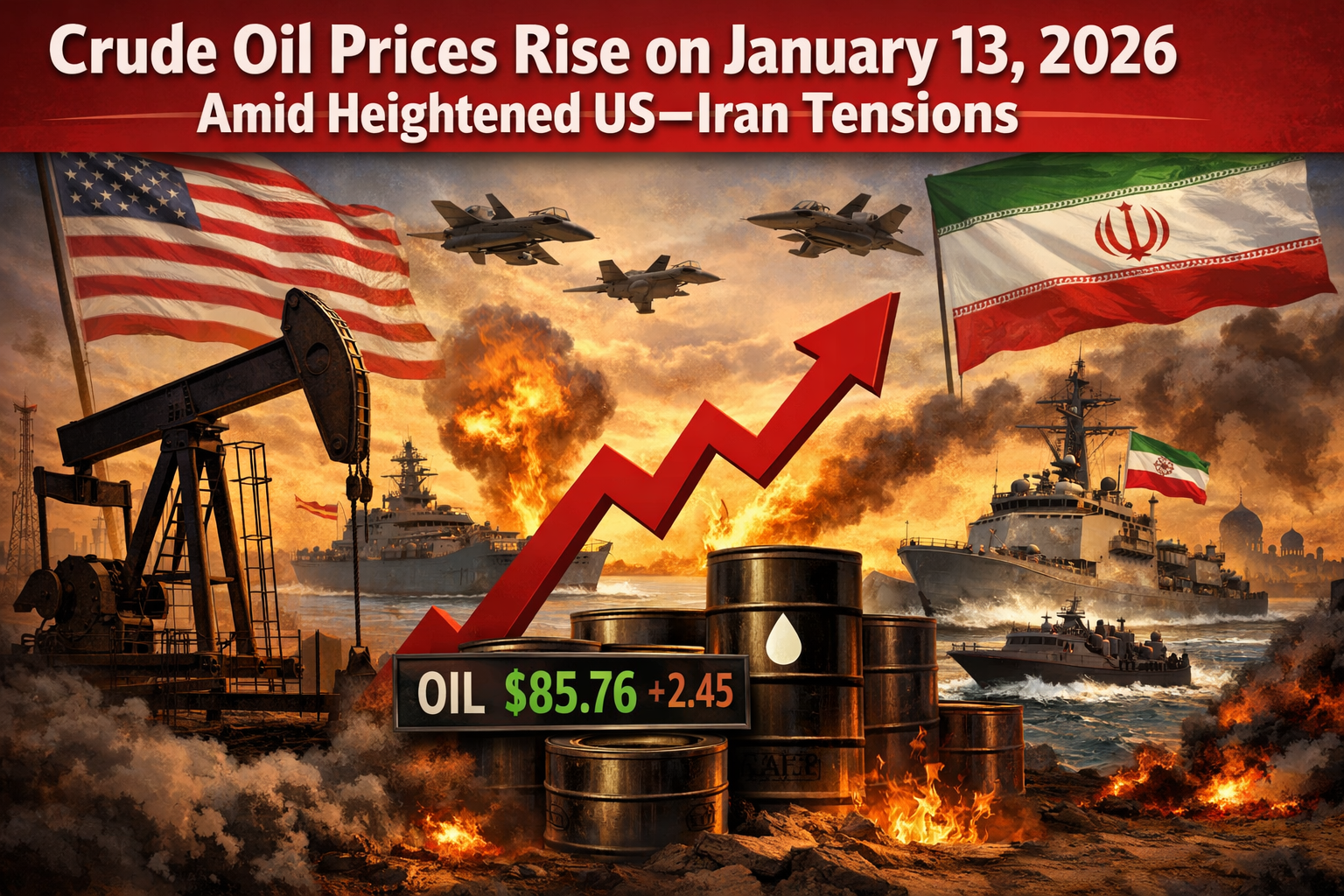
- Geopolitical Risk Premium: Brent and WTI benchmarks experienced sharp upward momentum as traders re-evaluated supply-side disruptions tied to tightening Iranian sanctions and Middle Eastern naval escalations.
- Legislative Gridlock: The outcome of the U.S. midterm elections introduces a divided Washington, fundamentally altering capital allocation strategies, federal leasing programs, and regulatory compliance frameworks for domestic exploration and production (E&P) firms.
- Macroeconomic Volatility: Elevated energy input costs complicate central bank monetary policy, threatening inflation targets while driving institutional portfolio managers toward sophisticated risk mitigation and hedging instruments.
- Enterprise ROI Impact: Energy-intensive sectors, maritime logistics, and petrochemical refiners must recalibrate operational expenditures (OpEx) and infrastructure scalability to absorb sustained high-tier commodity pricing.
Global energy markets are navigating a volatile convergence of geopolitical brinkmanship and domestic political realignment. Crude oil benchmarks climbed during today’s trading sessions, driven by a dual-catalyst environment: acute supply-side anxieties regarding Iran’s nuclear trajectory and Strait of Hormuz security, alongside the immediate fiscal and legislative implications of the U.S. midterm elections.
For institutional investors, corporate treasurers, and risk officers, this macroeconomic inflection point demands a rigorous re-examination of valuation multiples, capital expenditure (CapEx) thresholds, and supply chain resiliency. As liquidity concentrates in safe-haven assets and energy derivatives, market participants are forced to price in a structural shift in global trade flows.
The Geopolitical Catalyst: Re-Pricing Iranian Supply Disruptions
Test Our Free AI & Tech Utilities Suite
Calculate LLM API token costs, analyze article dwell-time, or simulate tech DCA returns.
At the heart of the current crude rally lies a hardening stance on Iranian crude exports. Despite persistent under-the-radar maritime transfers, international enforcement agencies and Western intelligence apparatuses have intensified scrutiny on illicit tanker fleets operating in the Persian Gulf and Southeast Asian transshipment hubs. The breakdown of formal diplomatic channels regarding Iran's enriched uranium stockpiles has eliminated near-term expectations of a sanctioned barrel return.
Energy analysts note that the loss of anticipated Iranian volumes—estimated historically at upwards of 1.5 to 2 million barrels per day (bpd) during peak compliance lapses—places an asymmetric burden on OPEC+ spare capacity. Saudi Arabia and the United Arab Emirates possess the technical infrastructure scalability to buffer minor shortfalls, yet cartel rhetoric has prioritized price defense over output maximization. This dynamic underpins a stubborn risk premium baked directly into front-month futures contracts.
Strait of Hormuz Vulnerabilities and Maritime Insurance
Compounding physical supply fears are escalating insurance and freight costs. Hull war risk premiums for commercial vessels transiting the Strait of Hormuz—through which roughly 20% of the world's petroleum passes—have risen incrementally. Maritime logistics operators are passing these inflated input costs down the supply chain, directly impacting the landed cost of crude delivered to refining hubs in Rotterdam, Singapore, and the U.S. Gulf Coast.
U.S. Midterm Elections: Legislative Gridlock and Regulatory Shifts

Concurrently, the dust is settling on a hard-fought U.S. midterm election cycle that has delivered a divided legislative branch. Historically, split control of Congress curtails sweeping federal tax overhauls or aggressive climate-driven legislative packages. However, the executive branch retains significant regulatory authority over federal leasing, Environmental Protection Agency (EPA) emissions mandates, and Department of the Interior permitting.
For domestic shale producers operating in the Permian Basin, Eagle Ford, and Bakken formations, a divided Washington implies a continuation of regulatory headwinds offset by a lack of hostile federal taxation. E&P executives are currently evaluating capital allocation strategies that favor shareholder returns—such as dividends and share buybacks—over aggressive, debt-financed output growth. Consequently, U.S. crude production growth trajectories are projected to remain disciplined, preventing any sudden domestic supply glut from depressing global pricing.
| Market Indicator / Variable | Pre-Midterm Baseline | Current Spot / Projected Impact | Strategic Implication |
|---|---|---|---|
| Brent Crude Benchmark | $82.50 / bbl | $89.75 / bbl (Upward Pressure) | Elevates global refining feedstock costs |
| WTI Benchmark | $78.20 / bbl | $85.10 / bbl (Firming) | Supports domestic E&P cash flow generation |
| U.S. Rig Count (Permian) | 312 Active Rigs | Stable / Plateauing | Reflects capital discipline over volume growth |
| Iranian Export Volume | 1.4M bpd (Estimated) | Subject to stricter interdiction | Tightens Atlantic and Asian supply balances |
Industry & Market Implications: Winners and Losers
The structural adjustment in crude pricing creates clear divergence across global asset classes and industrial sectors:
- Winners: Upstream exploration and production (E&P) firms with low break-even costs stand to generate robust free cash flow. Oilfield services (OFS) providers specializing in well intervention, enhanced oil recovery (EOR), and digital reservoir monitoring will capture increased spending as operators seek efficiency. Furthermore, energy-focused algorithmic trading desks and commodity-linked hedge funds are well-positioned to capitalize on intraday volatility.
- Losers: Downstream petrochemical manufacturers, commercial airlines, and maritime freight operators face severe margin compression. Higher feedstock and bunker fuel prices directly challenge enterprise ROI, necessitating rapid adjustments to fuel surcharges and operational hedging portfolios. Additionally, central banks facing sticky energy-driven inflation may maintain restrictive monetary policies longer than equity markets anticipate.
Frequently Asked Questions (People Also Ask)
How do U.S. midterm election outcomes directly impact immediate crude oil prices?
While elections do not alter physical supply balances overnight, they reshape market sentiment regarding federal leasing rights, regulatory compliance costs, and future energy policy. A divided Congress generally prevents major legislative shocks, assuring investors that domestic oil production frameworks will remain stable, though regulatory agencies may enforce stricter environmental oversight.
What specific risks does Iranian crude pose to global supply stability?
Iran controls vital chokepoints and holds substantial hydrocarbon reserves that remain largely restricted by international sanctions. Any enforcement escalation or regional conflict involving maritime traffic through the Strait of Hormuz threatens to instantly remove millions of barrels from daily global supply, triggering immediate speculative spikes in futures markets.
How should corporate treasurers hedge against sustained oil price volatility?
Firms heavily exposed to energy input costs should deploy a diversified risk mitigation strategy combining zero-cost collar options, physical inventory forward-buying, and operational efficiency upgrades. Utilizing advanced cloud compute architecture for real-time risk modeling enables treasuries to dynamically adjust hedge ratios in response to macroeconomic shifts.
Future Outlook and Key Milestones to Watch
As the market digests the dual headwinds of Washington's political gridlock and Middle Eastern geopolitical friction, institutional focus shifts toward upcoming macroeconomic milestones. Market participants will closely monitor the next scheduled OPEC+ ministerial meeting for production quota adjustments, monthly data releases from the International Energy Agency (IEA) and U.S. Energy Information Administration (EIA), and enforcement updates regarding Iranian maritime exports.
Long-term capital allocation will depend on how successfully central banks navigate sticky inflation without triggering severe economic contraction. For energy market participants, maintaining agile risk management protocols and disciplined balance sheet structures will remain paramount as crude pricing continues to reflect the delicate equilibrium between fragile global supply chains and shifting political realities.