Executive Takeaways
- Macroeconomic Pressures: Benchmark crude futures retreated sharply as institutional capital reallocated portfolios following U.S. midterm electoral shifts and shifting risk premiums on Iranian supply.
- Geopolitical Risk Reassessment: Traders recalibrated valuation multiples for energy assets, discounting immediate supply disruptions in the Strait of Hormuz while monitoring OPEC+ compliance and regulatory compliance updates.
- Capital Allocation Strategies: Major energy conglomerates face complex decisions regarding infrastructure scalability, capital expenditure, and risk mitigation amid heightened market liquidity fluctuations.
- Enterprise ROI Impacts: Downstream industrial consumers and airline operators experience immediate relief in input costs, directly impacting operational margins and quarterly earnings projections.
Global energy markets experienced a notable downward correction this week as institutional investors and commodities desks weighed the dual catalysts of U.S. midterm election outcomes and evolving diplomatic postures toward Iran. Brent crude and West Texas Intermediate (WTI) both registered significant losses, breaking through critical technical support levels. This pivot reflects a broader re-evaluation of risk premiums across global capital markets, where macro uncertainty meets shifting legislative landscapes and evolving supply-demand fundamentals.
For executive leadership teams, portfolio managers, and corporate treasurers, the current pricing environment underscores the necessity for agile risk mitigation frameworks. As automated algorithmic trading desks and sovereign wealth funds adjust their exposure, understanding the intricate mechanics driving these price fluctuations is paramount for strategic capital allocation and long-term valuation stability.
The Catalysts: U.S. Midterm Politics and Middle East Supply Dynamics
Test Our Free AI & Tech Utilities Suite
Calculate LLM API token costs, analyze article dwell-time, or simulate tech DCA returns.
The convergence of domestic American politics and international geopolitics has historically served as a potent volatility driver for crude markets. The recent U.S. midterm elections have introduced a renewed focus on domestic energy policy, federal leasing programs, and regulatory compliance frameworks governing fossil fuel extraction. Investors are closely monitoring how potential legislative gridlock or shifting congressional oversight committees might alter the trajectory of domestic production incentives, environmental mandates, and strategic petroleum reserve (SPR) management.
Simultaneously, the risk matrix surrounding Iranian crude exports has shifted. While earlier quarters priced in aggressive sanctions enforcement and the persistent threat of regional escalation in the Middle East, recent diplomatic signals and backchannel negotiations have fostered cautious optimism regarding potential supply normalization. Should international sanctions face relaxation or enforcement mechanisms loosen, hundreds of thousands of barrels per day of Iranian condensate and heavy crude could re-enter formal market liquidity channels, applying downward pressure on global pricing structures.
This dynamic has forced energy analysts to recalibrate forward curves. Enterprise risk officers are re-examining their enterprise ROI assumptions for upstream exploration and production (E&P) projects, ensuring that capital expenditure budgets remain resilient under lower-for-longer commodity price scenarios.
Market Liquidity and Valuation Multiples
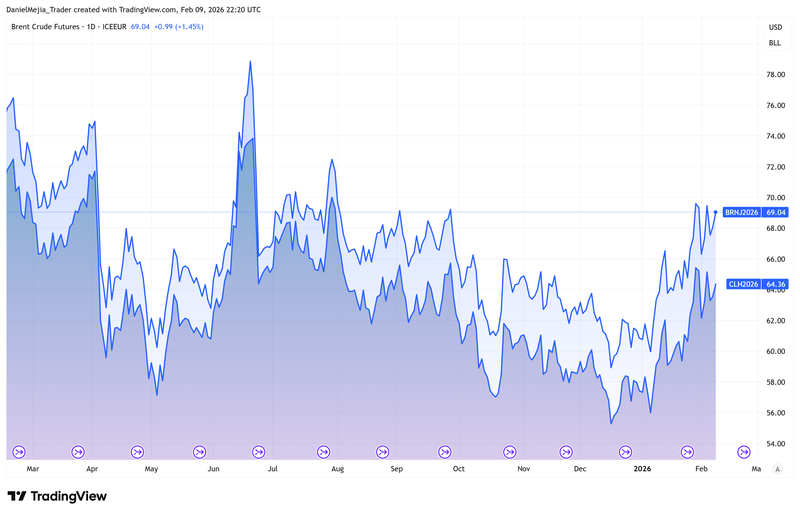
The retreat in oil prices is not merely a function of headline geopolitics; it reflects deeper structural shifts in market liquidity and investor sentiment. As central banks maintain restrictive monetary policies to combat stubborn inflation, the cost of capital remains elevated. This macroeconomic backdrop influences how institutional investors value energy equities and commodity-linked derivatives.
When crude prices face downward pressure, valuation multiples for upstream operators typically compress, prompting corporate boards to prioritize share buybacks and debt reduction over aggressive greenfield expansion. Conversely, downstream refiners and energy-intensive manufacturing sectors may find temporary respite in input costs, allowing for margin expansion and improved operational cash flows.
| Metric / Indicator | Previous Quarter | Current Reporting Period | Market Implication |
|---|---|---|---|
| WTI Benchmark ($/bbl) | $88.50 | $78.20 | Downward pressure on upstream revenue projections. |
| Brent Benchmark ($/bbl) | $92.30 | $82.40 | Reflects easing geopolitical risk premiums in EMEA. |
| U.S. Commercial Inventories (M bbl) | 420.5 | 428.1 | Indicates softening domestic demand and stable supply. |
| Implied Volatility Index (OVX) | 38.4 | 45.2 | Heightened options hedging against sharp price swings. |
Industry & Market Implications: Winners and Losers
Every major commodity correction creates distinct economic asymmetries across global industries. Identifying these shifts is essential for institutional investors seeking to optimize asset allocation.
- Winners:
- Airlines and Transportation: Lower jet fuel and diesel prices directly reduce operational expenses, providing a welcome tailwind to net margins.
- Consumer Discretionary & Retail: Reduced logistics and supply chain fuel surcharges alleviate inflationary pressures on goods transit.
- Energy-Intensive Manufacturing: Chemical processors and steel producers benefit from lower feedstock and energy input costs.
- Losers:
- Independent E&P Firms: Smaller shale and offshore operators face compressed operating cash flows, delaying infrastructure scalability projects.
- Oilfield Services: Reduced drilling activity and deferred capital expenditure budgets from major producers can constrain revenue growth for equipment and technology providers.
- Petrostate Economies: Nations heavily reliant on hydrocarbon export revenues must navigate tighter fiscal budgets and potential current account deficits.
Frequently Asked Questions (People Also Ask)
How do U.S. midterm election outcomes directly impact international crude oil prices?
While international oil prices are primarily governed by global supply and demand fundamentals set by OPEC+ and macroeconomic trends, U.S. midterm elections influence domestic policy levers. Changes in congressional majorities can shift federal leasing policies on public lands, alter regulatory compliance standards for fracking, impact environmental taxation, and influence the management of the Strategic Petroleum Reserve (SPR). These domestic shifts affect long-term U.S. production forecasts, which are a critical variable in global price discovery.
What specific risks do Iranian supply fluctuations pose to the global energy market?
Iran holds some of the world's largest proven reserves of oil and natural gas. When geopolitical tensions escalate or stricter enforcement of economic sanctions occurs, millions of barrels can be constrained from formal global markets, driving up prices. Conversely, any diplomatic breakthroughs that allow Iranian barrels to re-enter international commerce increase market liquidity and typically exert downward pressure on prices, forcing competing producers to adjust their output strategies.
How should corporate treasurers and risk managers respond to heightened energy market volatility?
Organizations exposed to energy price fluctuations should employ robust risk mitigation strategies, including entering into structured hedging agreements, utilizing options collars to protect against extreme price spikes, and diversifying supply chain logistics. Aligning capital allocation strategies with flexible operational budgets ensures that enterprises can absorb short-term commodity shocks without jeopardizing long-term solvency or strategic growth objectives.
What role do financial algorithms and institutional capital flows play in sudden oil price drops?
Modern commodities markets are heavily influenced by algorithmic trading desks, Commodity Trading Advisors (CTAs), and quantitative funds that monitor technical support levels, momentum indicators, and macroeconomic data releases. When key technical thresholds are breached—such as moving averages or support lines—automated selling can accelerate downward momentum, exacerbating intraday price declines independently of physical supply and demand shifts.
Future Outlook & Key Milestones to Watch
As the market digests the immediate aftermath of the U.S. midterms and ongoing Middle Eastern diplomatic developments, attention will pivot toward upcoming macroeconomic data releases and cartel meetings. Key milestones for institutional surveillance include:
- OPEC+ Ministerial Meetings: Decisions regarding production quotas and voluntary output cuts will remain the primary stabilizing force for global pricing baselines.
- U.S. Energy Information Administration (EIA) Reports: Weekly inventory data will provide continuous validation of domestic demand strength and refinery utilization rates.
- Inflation metrics and central bank interest rate decisions, which dictate overall economic growth trajectories and industrial energy demand.
- Ongoing diplomatic intelligence regarding sanctions enforcement and regional security in key maritime transit choke points, particularly the Strait of Hormuz.
In conclusion, while the recent price correction offers temporary relief to consumers and downstream industries, structural volatility is expected to persist. Corporate leaders must maintain disciplined risk management frameworks, ensuring operational resilience and strategic agility as global energy markets navigate a complex matrix of political, economic, and technological transformations.