Fed’s Rate Squeeze: Why Your Credit Card Debt Just Got Toxic—and Where Savers Can Cash In
WASHINGTON / NEW YORK — The Federal Reserve’s relentless campaign against sticky inflation has redrawn the American financial map. In a calculated maneuver to cool consumer demand, the central bank’s benchmark interest rate adjustments continue to ripple through the financial system, creating a brutal divergence between borrowers and savers. For tens of millions of households carrying revolving debt, the cost of living just surged again; for those with cash stashed in high-yield reserves, the payout has reached levels unseen in over fifteen years.
Federal Reserve policymakers have held firm on a "higher-for-longer" doctrine, maintaining that price stability takes absolute priority over cheap credit. While the move aims to bring headline consumer price inflation back to the Fed's 2% target, the real-world transmission mechanism is swift and unforgiving. From floating-rate credit cards to fixed 30-year mortgages, borrowing capital has rarely been this expensive in modern memory.
Executive Summary: The Split-Screen Economy
- Revolving Credit Under Fire: Average credit card annual percentage rates (APRs) have crossed the 21% threshold—the highest rate recorded since the Federal Reserve began tracking the metric in 1994.
- Mortgages Paralyze Housing: Long-term fixed mortgage rates continue to hover in the upper-6% to 7% territory, locking prospective first-time homebuyers out of the market and freezing existing inventory.
- The Saver's Renaissance: Top-tier High-Yield Savings Accounts (HYSAs), Certificates of Deposit (CDs), and money market mutual funds are yielding between 4.5% and 5.3%, handing passive income back to disciplined depositors.
- Corporate & Auto Headwinds: Floating-rate business lines and automobile financing are feeling the pinch, with average new-car loan rates climbing well past 7.5%.
The Borrowing Trap: Credit Cards and Mortgages Absorb the Shock

The transmission of a Fed policy move to the consumer is nearly instantaneous in the revolving debt sector. Commercial banks benchmark their prime lending rate directly against the federal funds target range. When the Fed moves, the prime rate follows within days—and with it, variable-rate credit cards.
"Carrying a balance on a credit card today is the single most expensive mistake a household can make," explains Greg McBride, Chief Financial Analyst at Bankrate. "At an average rate above 21%, compound interest is no longer a slow burn; it is an outright furnace. Minimum payments do little more than service interest charges, leaving the principal balance virtually untouched."
Consider the arithmetic: A consumer carrying an average balance of $6,000 on a card with a 21.5% APR, paying only the minimum payment each month, will take more than 17 years to eliminate the balance and pay roughly $9,000 in interest alone. Just three years ago, when the benchmark rate hovered near zero, that same balance carried an average rate of roughly 14.5%.
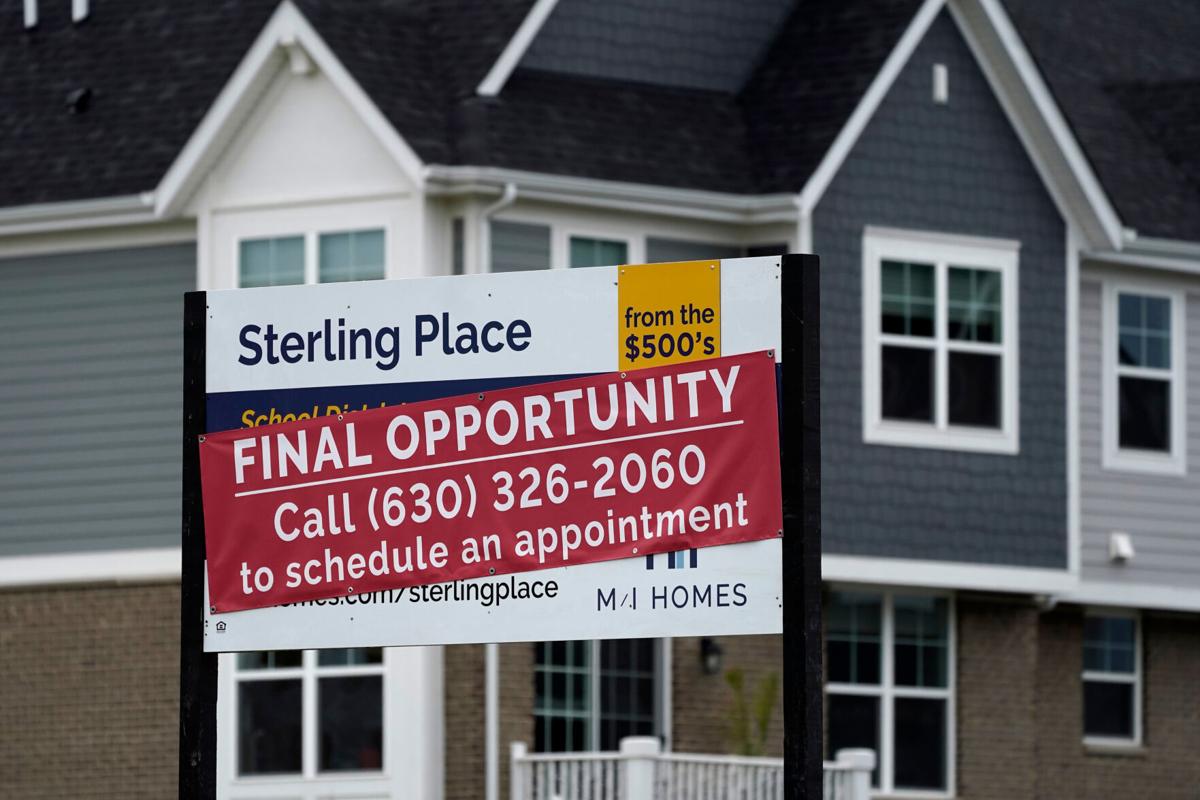
In the residential real estate market, the damage is equally pronounced. While mortgage rates do not move in direct lockstep with the Fed funds rate—tracking instead the yield on the benchmark 10-Year U.S. Treasury note—the Fed’s broader quantitative tightening and monetary policy stance keep sustained upward pressure on borrowing costs. The monthly principal-and-interest payment on a median-priced American home has jumped by more than 40% compared to early 2021, pricing millions out of starter homes and creating a "golden handcuff" effect, where existing homeowners refuse to sell their sub-3% fixed-rate properties.
Consumer Rate Reality Check
| Financial Product | Near-Zero Era (2020–2021) | Current Environment | Actionable Consumer Impact |
|---|---|---|---|
| Credit Card APR (Average) | 14.60% | 21.50%+ | Aggressively prioritize payoffs via avalanche or balance transfers. |
| 30-Year Fixed Mortgage | 2.85% - 3.15% | 6.85% - 7.30% | Buyer affordability suppressed; refinancing activity stalled. |
| New Auto Loan (60-Month) | 4.10% | 7.80% - 8.20% | Higher down payments required to avoid negative vehicle equity. |
| High-Yield Savings (HYSA) | 0.50% | 4.50% - 5.25% | Cash generates real yield beating core inflation rates. |
| 1-Year Certificate of Deposit (CD) | 0.60% | 4.75% - 5.15% | Guaranteed fixed return opportunity for short-to-medium cash reserves. |
The Great Cash Awakening: Why Savers Are Winning
For more than a decade following the 2008 Great Financial Crisis, ultra-low interest rates punished conservative savers. Keeping capital in the bank was a guaranteed recipe for purchasing power erosion. Today, that dynamic has reversed entirely.
Non-traditional digital banks, fintech platforms, and competitive credit unions are offering rates above 5% on liquid cash deposits. Institutional and retail cash alike have surged into money market funds, which have seen assets surpass historical records of over $6 trillion. For households with six-month emergency funds or capital earmarked for down payments, cash is no longer "trash"—it is a legitimate asset class.
However, consumer advocates warn that major brick-and-mortar mega-banks have been notoriously slow to pass these yields on to everyday checking and standard savings accounts. Millions of Americans still keep their primary deposits in accounts yielding an abysmal 0.01% to 0.05%, essentially subsidizing commercial bank margins.
Strategic Playbook for Households and Investors
Navigating this bifurcated environment requires immediate defensive and offensive adjustments:
1. Execute a Zero-Interest Balance Transfer: Borrowers stuck with double-digit revolving debt should seek out 0% APR balance transfer promotions, which often offer 15 to 21 months of interest-free amortization for a nominal upfront fee (typically 3% to 5%).
2. Abandon Stagnant Checking Accounts: Ensure all non-operational liquid reserves sit in institutions offering competitive APYs. Moving $25,000 from a traditional retail bank account earning 0.01% to an account yielding 5% puts an extra $1,250 in cold cash into a household budget annually.
3. Ladder Your Fixed Income: With the yield curve remaining inverted, short-term Treasuries and 6- to 12-month CDs offer elevated, risk-free returns. Constructing a ladder allows capital reinvestment cycles to adjust dynamically if macroeconomic sentiment forces central bankers to adjust paths later this year.
Frequently Asked Questions (FAQ)
Will mortgage rates fall immediately if the Federal Reserve cuts rates?
Not necessarily. While Federal Reserve rate adjustments heavily influence the cost of short-term borrowing, 30-year fixed mortgages primarily align with yields on 10-Year U.S. Treasuries, which are governed by broader long-term economic growth forecasts, geopolitical risk, and inflation expectations. Mortgages can—and often do—move weeks ahead of an official Fed policy decision based on market expectations.
How long will high-yield savings rates stay around 5%?
High-yield savings rates are variable. The moment the Federal Reserve initiates