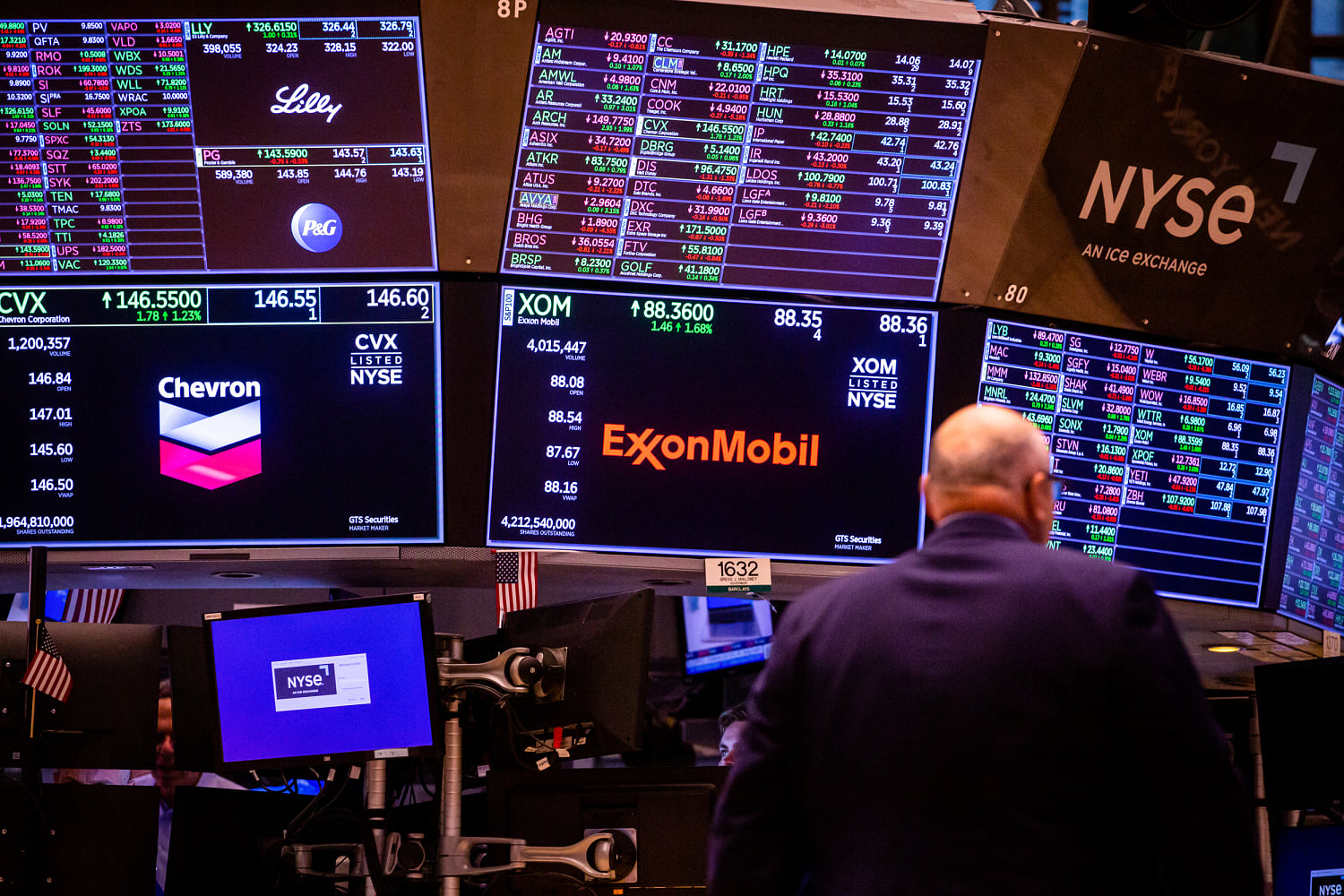
Global energy markets are once again at the epicenter of a high-stakes collision between corporate capital allocation, macroeconomic volatility, and populist politics. In the latest quarterly financial disclosures, U.S. supermajors ExxonMobil and Chevron reported staggering multi-billion-dollar profits, propelled by resilient global demand, geopolitical risk premiums, and disciplined asset management. Yet, these balance-sheet triumphs have arrived amidst a fierce political debate. Former President Donald Trump has aggressively touted the economic benefits of elevated oil prices, framing expensive crude as a geopolitical weapon and a vital catalyst for domestic infrastructure scalability and energy dominance.
For institutional investors, sovereign wealth funds, and policymakers, this dynamic forces a rigorous re-evaluation of valuation multiples, capital expenditure discipline, and long-term risk mitigation strategies. As regulatory compliance frameworks tighten globally and enterprise ROI metrics for low-carbon transitions face intense scrutiny, the dual narrative of blowout oil profits and high-price political endorsements exposes the profound structural dependencies still tethering the global economy to fossil fuels.
Executive Takeaways
Test Our Free AI & Tech Utilities Suite
Calculate LLM API token costs, analyze article dwell-time, or simulate tech DCA returns.
The Anatomy of a Windfall: Examining the Supermajor Balance Sheets

The financial mechanics underpinning ExxonMobil and Chevron’s latest earnings reports reveal a masterclass in operational efficiency and disciplined capital discipline. Following the hyper-volatile commodity cycles of recent years, both corporations have fundamentally restructured their enterprise cost baselines. By divesting non-core high-cost assets, streamlining supply chain logistics, and deploying advanced data analytics to optimize reservoir extraction, these firms have radically lowered their cash break-even points.
ExxonMobil’s financial engine has been heavily supercharged by its aggressive integration of low-cost Permian Basin acreage and offshore Guyana developments. These tier-one assets deliver exceptional enterprise ROI, allowing the corporation to generate immense free cash flow even during periods of macro-level demand softening. Similarly, Chevron’s strategic focus on high-margin international gas projects and domestic shale fields has fortified its balance sheet against unforeseen supply shocks.
However, generating massive free cash flow is only half the equation; the strategic deployment of this liquidity dictates long-term market valuation. Unlike the previous decade's rush into speculative exploration, current executive leadership teams are exercising strict capital discipline. Capital expenditure budgets are meticulously guarded, with a distinct preference for near-cycle developments that offer rapid payback periods. This conservative yet highly lucrative strategy has kept institutional investors engaged, resulting in robust share buyback programs and predictable dividend growth that routinely outperform broader equity market benchmarks.
The Political Catalyst: Trump’s Advocacy for Expensive Crude
Against this backdrop of financial abundance, the political sphere has seized upon the energy sector's profitability. Donald Trump’s vocal support for high oil prices represents a deliberate departure from conventional presidential politicking, which typically lambasts high fuel costs to appease the electorate. Trump’s thesis is rooted in the doctrine of "energy dominance"—the belief that high domestic oil and gas prices are essential to incentivize drilling, secure American geopolitical leverage, and fund robust infrastructure scalability.
According to this economic framework, artificially suppressed energy prices starve the domestic exploration and production (E&P) ecosystem of necessary capital, rendering the United States vulnerable to foreign cartels like OPEC+. By championing high commodity prices, the political narrative encourages capital retention within domestic basins, boosts localized employment in Texas, New Mexico, and the Gulf Coast, and generates immense tax revenues for state and federal coffers.
Yet, this stance creates a complex matrix of economic trade-offs. While upstream producers and oil-field service providers celebrate the revenue windfall, downstream consumers, energy-intensive manufacturing sectors, and transportation networks bear the brunt of elevated input costs. This inflationary pressure complicates central bank monetary policy, potentially delaying interest rate cuts and impacting broader market liquidity across non-energy asset classes.
Verified Data and Financial Metrics Breakdown
A comparative analysis of the operational and financial performance of the world's leading U.S. energy enterprises highlights the sheer scale of the current market environment.
| Metric / Indicator | ExxonMobil (Q3/Latest Reporting) | Chevron (Q3/Latest Reporting) | Strategic Implication |
|---|---|---|---|
| Net Income | $8.6 Billion - $10.5 Billion Range | $4.5 Billion - $6.0 Billion Range | Reflects high upstream productivity and strong refining cracks. |
| Free Cash Flow | ~$11.2 Billion | ~$6.8 Billion | Fuels aggressive share repurchases and consistent dividend hikes. |
| Daily Production (boe/d) | ~4.3 Million boe/d | ~3.1 Million boe/d | Driven by aggressive Permian scaling and Guyana offshore expansion. |
| Capital Expenditure (CapEx) | $6.5 Billion (Quarterly Run-rate) | $4.2 Billion (Quarterly Run-rate) | Disciplined spending focused on high-margin, low-break-even assets. |
Industry and Market Implications: Winners, Losers, and Systemic Risk
The macroeconomic ramifications of sustained high oil prices coupled with record supermajor profits extend far beyond Texas boardrooms. The market bifurcation between traditional energy equities and clean tech ventures is becoming increasingly pronounced.
The Winners: Upstream exploration firms, oilfield service giants (such as Schlumberger and Halliburton), midstream pipeline operators, and institutional shareholders reap the immediate rewards of this environment. High cash generation enables these entities to maintain pristine credit ratings, lower their debt-to-equity ratios, and absorb market shocks with exceptional resilience.
The Losers: Energy-intensive industries—including airlines, chemical manufacturers, logistics conglomerates, and heavy manufacturing—face compressed operating margins. Furthermore, early-stage renewable energy firms and green tech infrastructure startups face an uphill battle for venture capital and institutional debt financing, as investors chase the immediate, high-yield cash returns offered by fossil fuel giants.
From a regulatory standpoint, these soaring profits amplify the political risk of windfall profit taxes, intensified environmental scrutiny, and stricter compliance mandates regarding methane emissions and carbon capture accounting. Energy executives must continuously balance short-term shareholder appeasement with long-term license-to-operate imperatives.
Frequently Asked Questions (People Also Ask)
Why are ExxonMobil and Chevron reporting such massive profits while consumers face high fuel costs?
The profitability of major oil companies is directly tied to global commodity prices, which are determined by worldwide supply and demand balances, geopolitical conflicts, and refining capacity constraints. When crude oil and refined product prices rise, integrated energy companies capture wider margins across their upstream (extraction) and downstream (refining) operations. While consumers pay more at the pump, these corporations operate as price-takers in a global market, utilizing their high cash flows to fund dividends, capital investments, and share buybacks.
How does Donald Trump's stance on high oil prices impact domestic energy production?
Former President Trump’s advocacy for elevated oil prices is designed to stimulate domestic exploration and production by ensuring that drilling projects remain highly profitable. High price environments provide E&P firms with the internal cash generation needed to fund expensive drilling operations in basins like the Permian, boosting domestic energy independence, generating high-wage jobs, and increasing tax revenues for state and federal governments.
Are these oil supermajors still investing in renewable energy and low-carbon technologies?
While ExxonMobil and Chevron have allocated capital toward lower-carbon initiatives—such as carbon capture and storage (CCS), hydrogen development, and lithium extraction—their primary capital allocation strategy remains heavily weighted toward high-return oil and gas assets. Pressured by institutional investors to deliver near-term enterprise ROI rather than speculative long-term green projects, both firms have scaled back or recalibrated certain pure-play renewable ventures in favor of fossil fuel asset optimization.
What role do geopolitical risk premiums play in sustaining high oil prices and corporate profits?
Geopolitical instability in key producing regions—including the Middle East and Eastern Europe—introduces chronic supply anxiety into global markets. Traders bake a substantial risk premium into crude futures to account for potential supply disruptions, tanker route bottlenecks, and export restrictions. This structural volatility keeps oil prices elevated, directly feeding the bottom-line profitability of international oil companies.
Future Outlook: Strategic Milestones and Market Trajectory
As the global energy landscape navigates this complex intersection of record corporate profitability and populist political endorsement, several critical milestones will dictate market direction over the next twelve to twenty-four months:
Ultimately, the latest financial results from ExxonMobil and Chevron underscore an undeniable reality: despite global ambitions toward energy transition, traditional hydrocarbons remain the indispensable lifeblood of the global economy, generating unprecedented wealth for those positioned to extract and refine them.