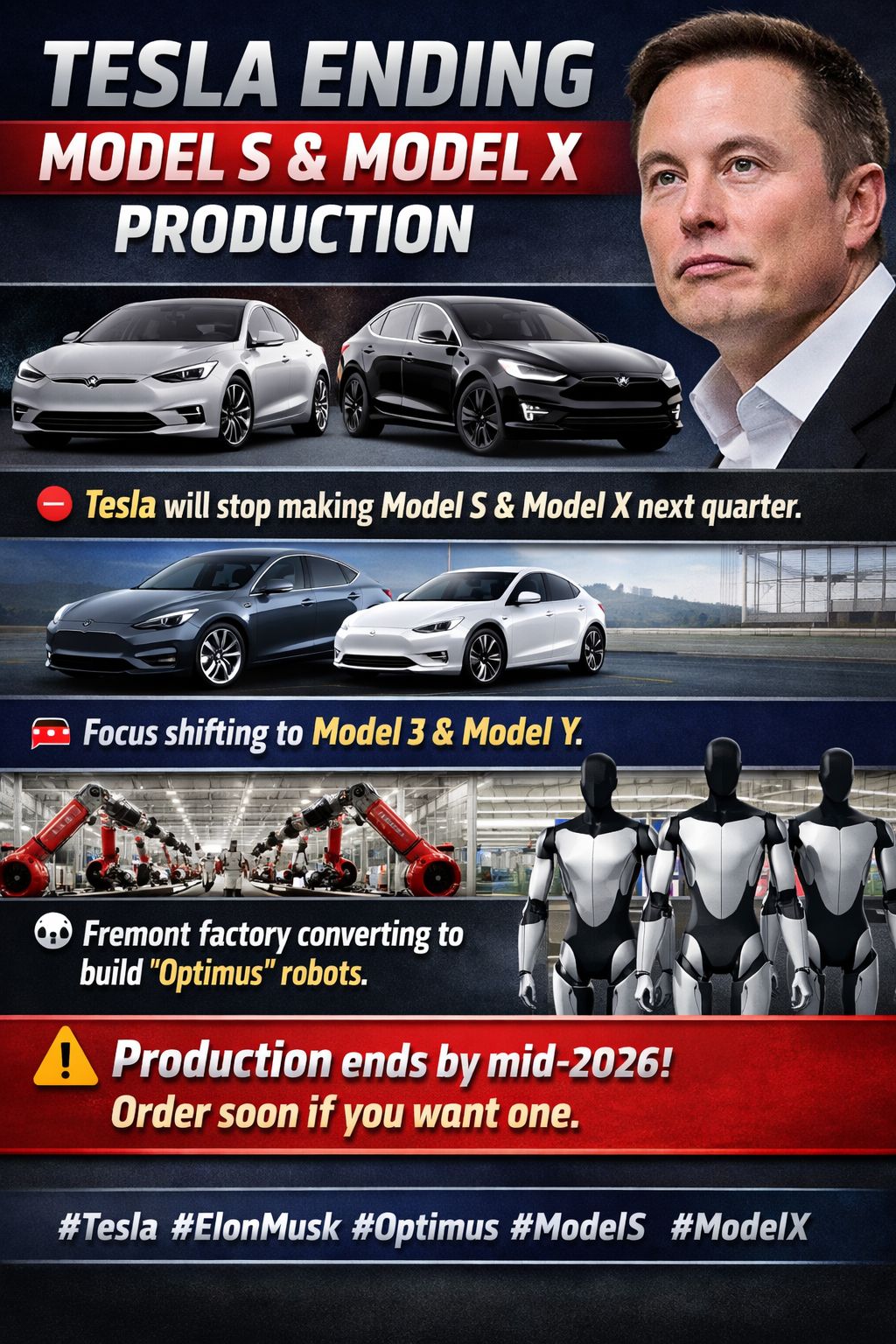
The End of an Era: Inside Tesla’s Radical Pivot to Mass-Market Motoring
BAKU/NEW YORK — In a sweeping strategic realignment that signals the definitive maturity of the global electric vehicle (EV) market, Tesla has officially pulled the plug on production for several of its legacy and low-volume vehicle variants. The decision, confirmed by industry insiders and corroborated by reports emerging from regional logistics hubs in Azerbaijan, marks a pivotal inflection point for the world’s most valuable automaker.
For years, Wall Street and automotive analysts have debated the sustainability of Tesla’s sprawling product matrix. Today, those debates are settled. The company is actively shedding its niche luxury and older high-end configurations to redirect massive capital, engineering talent, and factory floor space toward an aggressive, high-volume mass-market offensive.
The Anatomy of a Pivot: What Drove the Decision?

The writing has been on the wall for months, but the timeline has drastically accelerated. According to senior sources close to the matter, the primary catalyst behind the discontinuation of these select models is a rigorous corporate prioritization exercise. Tesla is no longer fighting for early-adopter prestige; it is fighting for global volume dominance against low-cost international competitors, particularly in critical growth corridors across Europe and Asia.
Global supply chain bottlenecks, fluctuating battery material costs, and the pressing imperative to improve operating margins have forced CEO Elon Musk and his executive team to ruthlessly trim the fat. Maintaining production lines for lower-volume variants no longer makes financial sense when factories can be retooled for the upcoming next-generation compact platform.
- Capital Reallocation: Billions in research and development are shifting away from legacy architecture and pouring directly into affordable mass-market platforms.
- Factory Optimization: Assembly lines are undergoing rapid, high-stakes overhauls to maximize throughput and reduce per-unit production costs.
- Competitive Pressures: Intensified price wars, spearheaded by aggressive Asian manufacturers, have made streamlined production non-negotiable.
- Regulatory Shifts: Evolving global emissions mandates and changing consumer subsidies favor high-volume, accessible EVs over expensive flagship variants.
Market Impact and Regional Shockwaves
The ripples of Tesla’s manufacturing contraction are already being felt globally. Logistics hubs tracking regional import-export flows, including major distribution channels interfacing with the South Caucasus through Azerbaijan, report immediate adjustments in vehicle transit schedules and inventory allocations.
Dealers and regional distributors are rushing to update their order books as factory allocations shift. While long-term automotive bulls view the move as a masterclass in capital efficiency, short-term volatility is all but guaranteed as consumers lose access to certain familiar configurations.
| Strategic Pillar | Previous Status | Current Realignment (2026) |
|---|---|---|
| Product Focus | Broad portfolio spanning luxury to mid-tier | Hyper-focus on mass-market volume |
| Factory Footprint | Divided lines for legacy variants | Consolidated tooling for next-gen platforms |
| Margin Strategy | Premium pricing with high customizability | Scale-driven cost reduction and standardization |
| Global Distribution | Fragmented regional model availability | Streamlined export of core high-demand units |
What This Means for Consumers and Investors
For the everyday car buyer, the message is clear: the era of highly customized, low-volume Tesla variants is taking a back seat to standardized, aggressively priced transport. Buyers currently holding orders for the discontinued models are being contacted regarding inventory swaps, specification upgrades, or refunds, depending on regional availability.
On Wall Street, institutional investors have largely welcomed the news, interpreting the capacity shift as a necessary operational discipline. As legacy automakers struggle to achieve profitability on their own EV divisions, Tesla’s willingness to prune underperforming lines demonstrates an unyielding commitment to bottom-line health.
Frequently Asked Questions
Why did Tesla decide to discontinue these specific vehicle models?
The decision stems from a strategic shift to prioritize high-volume, mass-market vehicles. By eliminating low-volume and older configurations, Tesla can free up valuable factory floor space, streamline supply chains, and concentrate capital on next-generation affordable platforms.
How will this move affect existing owners and current vehicle support?
Tesla has assured customers that parts, software updates, and service support for all discontinued models will remain fully operational. The change strictly impacts new production lines and future vehicle configurations, not existing fleets on the road.
As the dust settles on this structural overhaul, all eyes turn to Tesla’s upcoming quarterly delivery figures. The success—or failure—of this mass-market gamble will define not only the company's trajectory for the rest of the decade but the broader trajectory of the global electric vehicle revolution.