LONDON, BERLIN, PARIS — In an unprecedented escalation of critical infrastructure targeting, a coordinated cyber assault has breached the central climate-control and refrigeration networks of major supermarket conglomerates across Western Europe. The strike, which hit its stride during peak retail hours, underscores a chilling vulnerability hiding in plain sight: the interconnected, Internet of Things (IoT) driven cold-chain infrastructure that underpins the European food supply.
As chief investigative editors across financial and business intelligence desks track the fallout, the incident has evolved from a localized IT glitch into a multi-jurisdictional crisis. Industry executives, cybersecurity specialists, and regulatory bodies are scrambling to assess the damage, protect supply chains, and re-evaluate capital allocation for enterprise risk mitigation.
Executive Takeaways
Test Our Free AI & Tech Utilities Suite
Calculate LLM API token costs, analyze article dwell-time, or simulate tech DCA returns.
- Systemic Supply Chain Vulnerability: The attack bypassed conventional corporate firewalls by exploiting third-party vendor management software linked to industrial refrigeration units (PLCs) across thousands of retail locations in Germany, France, and the UK.
- Substantial Inventory Spoilage Risk: Millions of euros in perishable goods faced immediate threat as threat actors manipulated temperature setpoints, disabling automated alarm protocols and forcing manual overrides.
- Regulatory Scrutiny Intensifies: European Union cybersecurity regulators are moving swiftly to classify connected operational technology (OT) in retail logistics under stricter NIS2 directive enforcement, threatening heavy non-compliance penalties.
- Market and Valuation Pressures: Publicly traded grocery chains are facing short-term equity volatility as institutional investors re-price operational risk models and factor in escalating cybersecurity insurance premiums.
Comprehensive Narrative: Anatomy of a Cold-Chain Breach
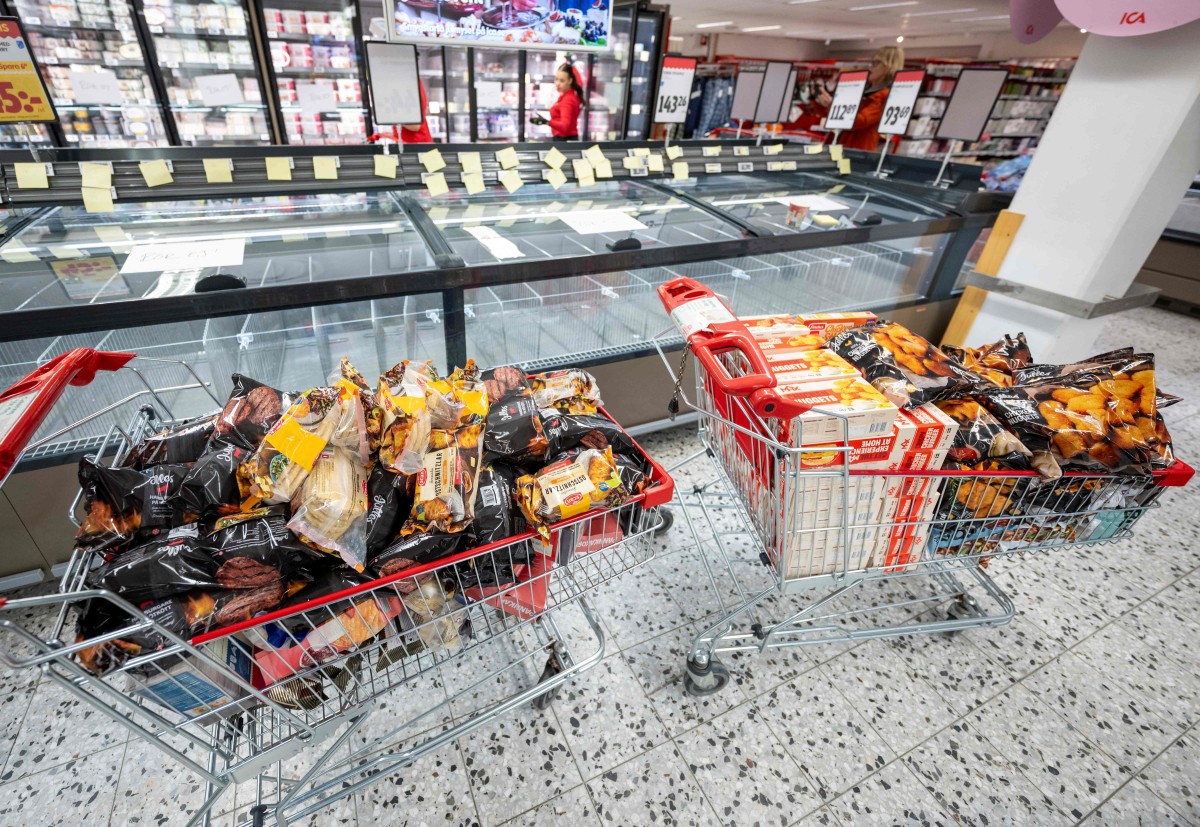
The genesis of the attack traces back to a sophisticated supply chain compromise involving an enterprise-grade Building Management System (BMS) vendor utilized by several tier-one European grocery giants. Rather than striking the core financial databases or customer loyalty registries, the malicious actors weaponized specialized firmware updates distributed by a trusted third-party maintenance provider.
By leveraging valid digital certificates stolen in a prior phishing campaign against an HVAC subcontractor, the attackers deployed a custom-built ransomware variant designed specifically to interact with supervisory control and data acquisition (SCADA) systems governing industrial chillers and display cases. Once inside the operational technology network, the payload systematically altered temperature thresholds, locking out local store managers by modifying supervisory control passwords and disabling remote telemetry dashboards.
Store managers across Frankfurt, Lyon, and London reported sudden, synchronized alarms failing to register on central monitoring consoles. In several distribution hubs, perishable inventory—including dairy, fresh produce, and pharmaceutical supplies—faced catastrophic thermal degradation. Operational continuity was severed as store staff were forced to resort to manual circuit-breaker interventions and emergency backup generators to stabilize temperatures.
This incident represents a paradigm shift in threat actor methodology. Historically, cybercriminals focused on ransomware targeting enterprise resource planning (ERP) systems or point-of-sale (POS) terminals. Today’s attack demonstrates an aggressive pivot toward physical-digital convergence threats, where disruption of physical assets translates directly into severe financial loss and operational paralysis, exerting maximum leverage for extortion.
Verified Data and Metrics Breakdown
| Metric / Indicator | Pre-Incident Baseline | Post-Incident Reality | Financial & Operational Impact |
|---|---|---|---|
| Affected Retail Outlets | 0 (Isolated Operations) | Over 1,400 supermarkets | Widespread regional supply chain friction |
| Estimated Inventory Loss | Nominal spoilage rate (<0.5%) | €45M - €60M projected write-offs | Direct impact on quarterly EBITDA margins |
| Mean Time to Detect (MTTD) | 15 minutes (Automated alerts) | 4.5 hours (Manual discovery) | Exposed gaps in OT network visibility |
| Regulatory Exposure | Standard GDPR compliance | NIS2 & Critical Infrastructure Audits | Potential fines up to 2% of global turnover |
Industry & Market Implications
The financial fallout from the refrigeration cyber attack extends far beyond immediate inventory write-offs. In the boardrooms of Europe's largest publicly traded retail groups, discussions have immediately pivoted to infrastructure scalability, third-party vendor risk management, and the restructuring of capital allocation strategies toward robust cybersecurity architectures.
Who Wins
- Cybersecurity Vendors Specializing in OT/IoT: Enterprise security firms offering micro-segmentation, zero-trust network architecture (ZTNA) for industrial control systems, and real-time behavioral anomaly detection are seeing an immediate surge in inbound enterprise inquiries.
- Specialist Cold-Chain Logistics Providers: Competitors and logistics partners with isolated, legacy-independent monitoring systems are capturing temporary market share as disrupted chains seek reliable secondary distribution channels.
Who Loses
- Legacy BMS Vendors: Manufacturers and software integrators relying on outdated, highly interconnected proprietary protocols face severe reputational damage and inevitable multi-million-dollar liability lawsuits.
- Grocery Retail Equity Valuations: Short-term market liquidity and valuation multiples for affected supermarket chains are under pressure as analysts factor in bloated remediation costs, potential regulatory sanctions, and higher recurring IT security operational expenditures.
People Also Ask (FAQ)
How did hackers manage to compromise supermarket refrigeration units?
The threat actors utilized a sophisticated supply chain vector, compromising a third-party Building Management System (BMS) vendor. By leveraging legitimate software update channels and stolen enterprise digital certificates, they injected malicious firmware updates directly into programmable logic controllers (PLCs) governing commercial refrigeration units.
Were customer financial data and personal information compromised?
According to preliminary forensic investigations, the attack was strictly confined to operational technology (OT) networks controlling environmental systems and refrigeration. Enterprise IT networks, point-of-sale (POS) terminals, and consumer loyalty databases remained segregated and secure.
What regulatory penalties do European supermarkets face following such incidents?
With the implementation of the EU's NIS2 Directive (Network and Information Security Directive), critical retail supply chains are increasingly classified under strict critical infrastructure guidelines. Failure to secure operational technology networks against foreseeable cyber threats can result in sweeping regulatory audits and financial penalties reaching up to 2% of total worldwide annual turnover.
How are grocers mitigating future vulnerabilities in their supply chains?
Major European supermarket chains are accelerating capital expenditure toward comprehensive network segmentation—completely isolating IT corporate systems from OT facility networks—alongside deploying continuous AI-driven behavioral monitoring and mandatory zero-trust verification for all third-party maintenance vendors.
Future Outlook and Strategic Milestones
As European markets absorb the shock of this coordinated infrastructure breach, the strategic imperative for corporate leadership is unambiguous. The era of treating facility management systems as isolated, low-risk operational overhead is officially over. Chief Information Security Officers (CISOs) are aggressively rewriting enterprise risk frameworks to encompass physical infrastructure convergence.
Key operational milestones to monitor over the next two quarters include:
- Q3 Regulatory Compliance Audits: European cybersecurity agencies are expected to issue emergency directive guidelines mandating strict vendor credential verification across all critical retail logistics chains.
- Insurance Market Restructuring: Underwriters are aggressively recalibrating cyber insurance policies, likely introducing mandatory exclusions for unsegmented OT networks or imposing prohibitive premium hikes.
- Technology Adoption Curves: Accelerated deployment of cloud compute architecture paired with edge-computing security gateways to ensure local refrigeration units can maintain safe operational parameters even during wide-area network outages.
For investors, executives, and technologists alike, the message is stark: resilience in modern commerce requires an uncompromising commitment to securing every digital touchpoint—whether it guards a corporate bank account or regulates the chill of a dairy aisle.