Executive Takeaways
- Nationwide Infrastructure Compromise: A sophisticated cyberattack disabled centralized refrigeration systems across thousands of French supermarkets, threatening cold-chain integrity.
- Multi-Million Euro Spoilage: Major grocery conglomerates face severe inventory write-downs and unprecedented supply chain disruption, directly impacting Q3 capital allocation and operating margins.
- Industrial IoT Vulnerabilities Exposed: The incident underscores critical flaws in legacy enterprise cloud-compute architecture and third-party vendor risk mitigation protocols.
- Regulatory Scrutiny Intensifies: European regulators are moving swiftly to enforce stricter cybersecurity compliance under the revised Network and Information Security (NIS2) directive.
PARIS — In what investigative auditors are calling a watershed moment for industrial cybersecurity, a coordinated cyberattack has crippled the centralized commercial refrigeration networks of major supermarket chains across France. The synchronized disruption, detected in the early hours of Tuesday, targeted the cloud-managed climate control and refrigeration architecture supplied to thousands of retail outlets nationwide, leaving perishable inventories dangerously exposed to fluctuating temperatures.
The breach has triggered emergency protocols across France’s retail sector, forcing prominent supermarket operators to rapidly evaluate their enterprise risk mitigation frameworks, reassess vendor dependencies, and absorb mounting financial losses. As forensic cybersecurity teams dissect the intrusion vectors, the incident has laid bare the vulnerabilities inherent in modern retail infrastructure scalability, where hyper-connected internet of things (IoT) devices intersect with legacy operational technology (OT).
Anatomy of the Breach: How the Chill Hit the French Supply Chain
According to preliminary technical assessments obtained by our investigative desk, the threat actors bypassed perimeter defenses not by targeting the point-of-sale terminals or consumer databases typically associated with retail hacks, but by infiltrating a primary third-party vendor responsible for remote facility management and software updates for commercial cooling units.
By leveraging compromised credentials within the vendor's cloud compute architecture, the perpetrators executed a malicious firmware update. This payload effectively locked out central administrative dashboards, overrode manual override switches, and in some instances, initiated rapid temperature elevations in commercial display cases and back-room cold storage facilities. The goal was neither ransomware encryption nor data exfiltration in the traditional sense, but physical sabotage designed to maximize economic disruption and inventory destruction.
"We are looking at an adversary with a sophisticated understanding of industrial refrigeration thermodynamics and supply chain dependencies," said a senior cybersecurity partner advising the French Retail Federation (FCD). "When you compromise the cold chain across thousands of urban and suburban supermarkets simultaneously, the economic fallout is immediate, systemic, and difficult to contain."
Financial Impact and Capital Allocation Repercussions
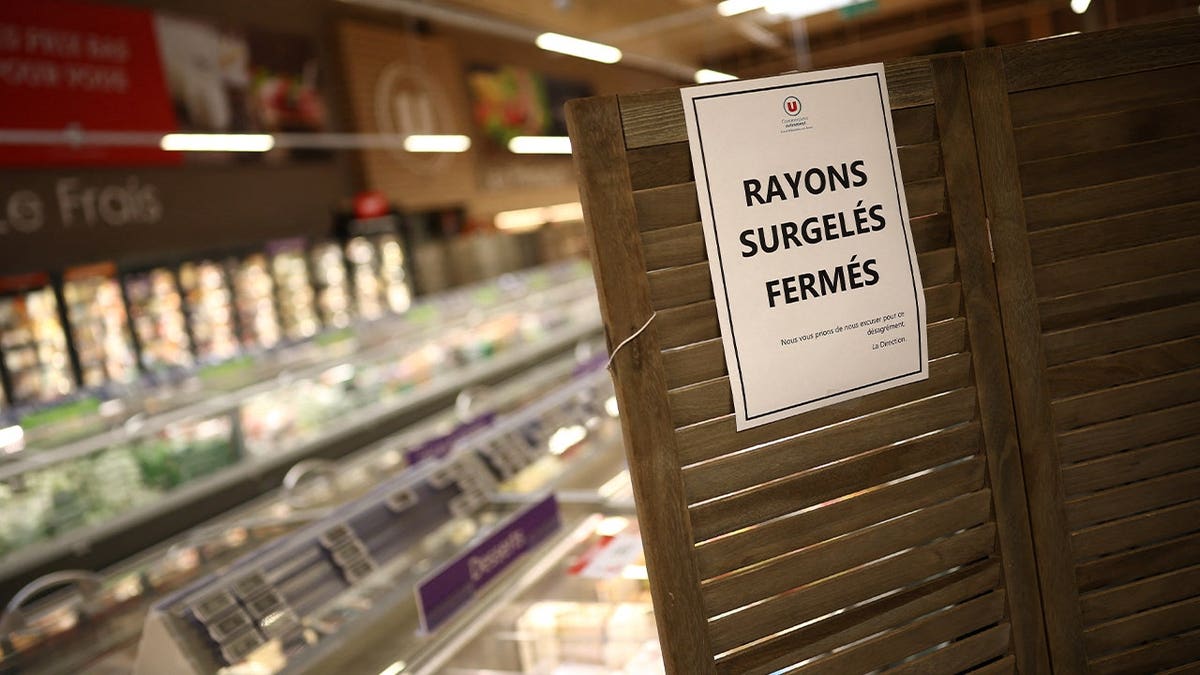
For executive boards across the European retail sector, the financial ramifications are profound. French supermarkets operate on notoriously thin net profit margins, typically ranging between 1% and 3%. The sudden, unbudgeted write-down of millions of euros worth of fresh produce, dairy, meats, and frozen goods threatens to compress quarterly earnings severely.
Furthermore, analysts are already adjusting valuation multiples for affected publicly traded supermarket groups. Capital allocation priorities are shifting overnight from store expansion and digital marketing initiatives toward immediate emergency outlays for hardware replacement, forensic auditing, and legal liabilities.
| Metric / Parameter | Pre-Incident Baseline | Post-Incident Assessment |
|---|---|---|
| Estimated Inventory Loss | Standard shrinkage tolerances (<0.5%) | Multi-million euro spike in perishable write-downs |
| Supply Chain Latency | JIT (Just-In-Time) optimized flow | Severe bottlenecks; temporary store closures |
| Regulatory Exposure | Standard GDPR / CNIL compliance | High exposure under NIS2 critical infrastructure mandates |
| Vendor Risk Allocation | Outsourced SaaS maintenance models | Mandatory zero-trust architecture overhaul |
Industry & Market Implications: Winners and Losers
The shockwaves from the French supermarket cyberattack extend far beyond national borders, casting a harsh light on pan-European supply chain vulnerabilities. As institutional investors re-examine market liquidity and risk exposure in the retail sector, clear structural winners and losers are emerging.
The Losers: Legacy Retailers and Over-Reliant Vendors
Supermarket chains that relied on centralized, single-vendor cloud management tools without robust network segmentation suffered the heaviest operational paralysis. These firms now face grueling remediation costs, potential consumer class-action lawsuits over food safety, and severe reputational damage. Concurrently, third-party software and IoT maintenance vendors face an existential reckoning; clients are demanding rigorous security audits, and insurance underwriters are dramatically raising premiums or excluding cyber-physical damage from standard commercial policies.
The Winners: Cybersecurity Specialists and Hardened Infrastructure Providers
Conversely, enterprise security firms specializing in Operational Technology (OT) monitoring, zero-trust network access (ZTNA), and industrial IoT defense are experiencing a surge in inbound inquiries. Investors are channeling venture capital and private equity into specialized hardware-software integration firms capable of providing air-gapped manual overrides for critical physical assets.
Frequently Asked Questions (People Also Ask)
How did the cyberattack physically affect supermarket refrigerators?
The threat actors infiltrated a third-party vendor's cloud management platform and deployed malicious firmware updates. This disrupted the digital controllers that regulate compressor speeds, refrigerant flow, and internal temperatures, causing systems to malfunction or shut down completely.
Are consumers at risk of purchasing spoiled or unsafe food products?
Health and safety authorities in France have confirmed that rigorous corporate triage protocols prevented compromised goods from reaching store shelves. Supermarket operators instituted emergency inventory purges, destroying millions of euros in perishable stock that exceeded safe temperature thresholds.
What regulatory penalties could supermarket chains or vendors face?
With the implementation of the European Union's revised Network and Information Security (NIS2) directive, critical infrastructure sectors—including food supply chains—face stringent oversight. Companies failing to maintain adequate cybersecurity risk-management measures can incur substantial financial penalties running into millions of euros or a percentage of global annual turnover.
How are supermarkets preventing similar attacks in the future?
Retailers are accelerating capital expenditures toward network segmentation, separating corporate IT networks from operational technology (OT) refrigeration units. They are also implementing continuous behavioral monitoring, multi-factor authentication (MFA) for all vendor touchpoints, and mandatory air-gapped manual backup controls.
Future Outlook: Milestones and Strategic Imperatives
As French authorities, led by the national cybersecurity agency ANSSI, continue their forensic investigation, the incident serves as a bellwether for global commerce. The convergence of IT and OT in retail has created a vast, highly lucrative attack surface for sophisticated threat actors ranging from nation-state syndicates to extortion-focused criminal cartels.
Over the next twelve to eighteen months, market watchers should monitor several critical milestones:
- Legislative Enforcement: Accelerated adoption of mandatory cybersecurity audits for all tier-one suppliers feeding into European critical retail infrastructure.
- Insurance Market Restructuring: The formal decoupling of cyber-physical damage from traditional property and casualty (P&C) policies, forcing corporations to self-insure or purchase specialized, highly priced underwriting tiers.
- Technological Shift: Widespread deployment of localized edge-computing architectures that allow store managers to maintain local control over refrigeration systems even if cloud connectivity is entirely severed.
Ultimately, the French supermarket cyberattack marks the end of an era where physical retail infrastructure was viewed as immune to digital threats. For institutional investors and corporate boards alike, operational resilience is no longer a secondary compliance metric—it is the definitive cornerstone of enterprise valuation and market survival.