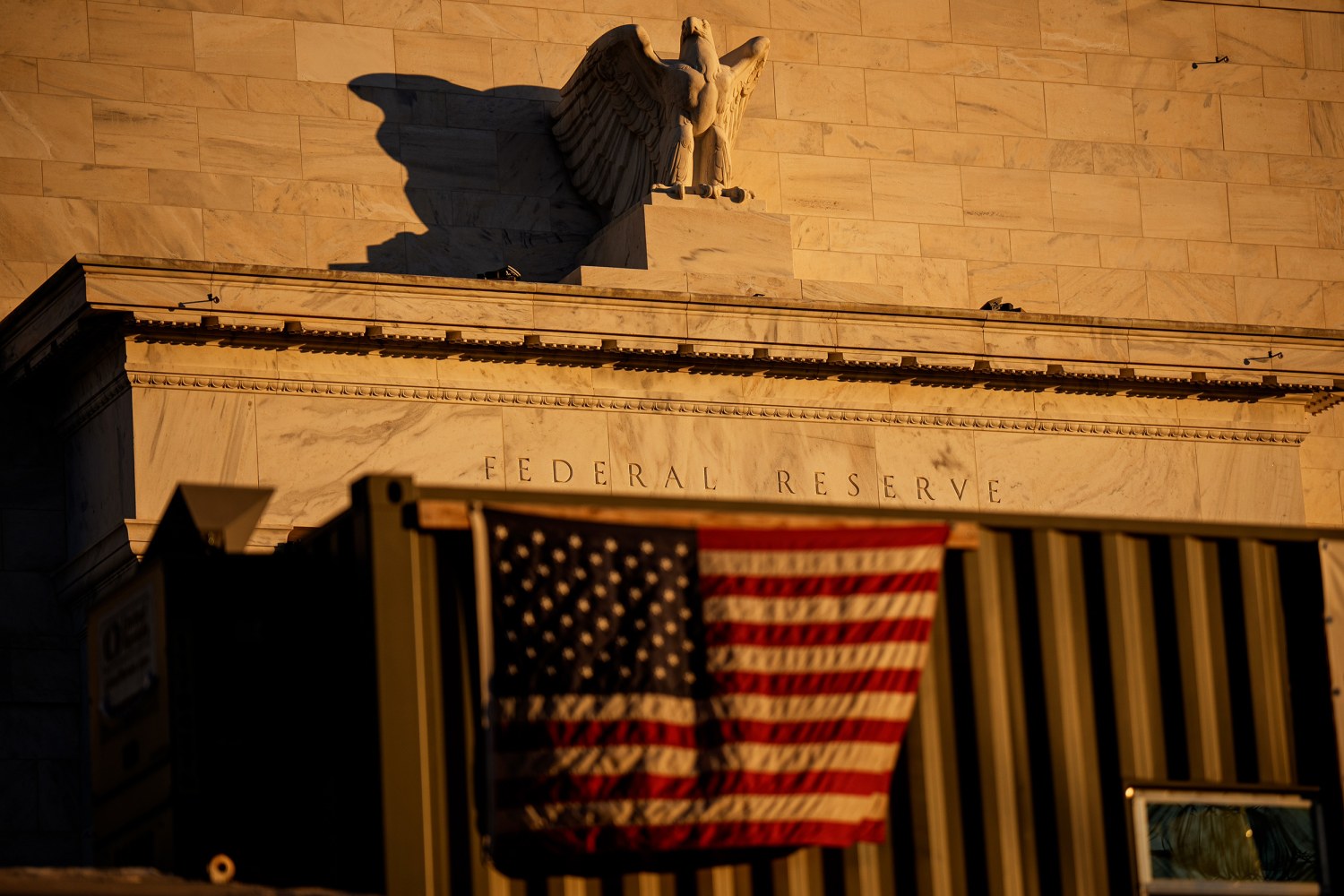
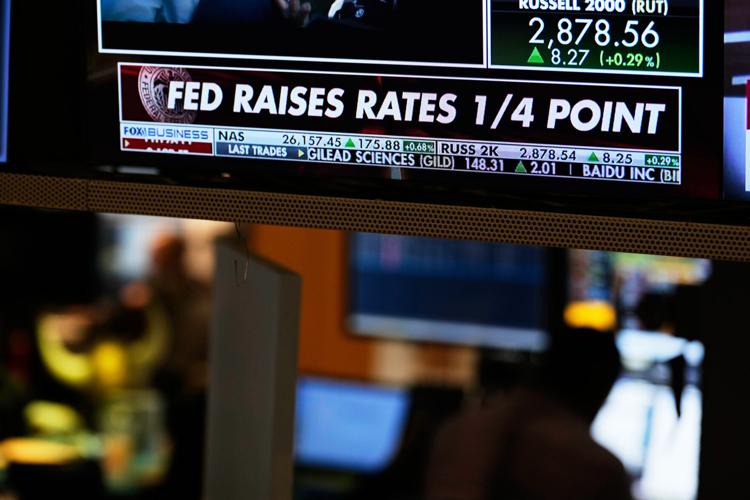
NEW YORK — In a market defying textbook economic gravity, global financial centers woke up to a historic confluence of events this week. Following a widely anticipated interest rate hike by the Federal Reserve, U.S. stocks and bonds didn't just survive; they staged a massive, aggressive rally. Propelling this unexpected market surge was a landmark psychological milestone: U.S. crude oil briefly plummeted below $100 per barrel for the first time in months, easing the stranglehold of inflation that has plagued consumers and corporations alike.
For weeks, macroeconomic analysts had braced for a turbulent autumn. Yet, as benchmark indices crossed into unprecedented territory—with the Dow Jones Industrial Average and the S&P 500 touching fresh record highs—traders revealed a distinct appetite for risk. Driven by a rare cocktail of declining energy costs, easing geopolitical tensions surrounding Iran, and relentless corporate enthusiasm for artificial intelligence, the financial landscape has fundamentally shifted.
Decoding the Rally: What Drove the Surge?
Market analysts point to a multi-faceted catalyst behind the sudden surge in investor confidence. While monetary policy tightening is traditionally treated as market poison, the Federal Reserve’s decisive action signaled to investors that the central bank remains firmly committed to subduing lingering inflationary pressures without tipping the economy into an immediate, disorderly contraction.
Simultaneously, the energy sector provided the ultimate safety valve. U.S. benchmark crude oil dipped below the critical $100-per-barrel threshold, offering immediate relief to logistics, manufacturing, and consumer discretionary sectors. Cheaper energy translates directly into lower input costs and expanded corporate margins, buffering the blow of higher borrowing costs.
- The Fed Factor: A proactive rate hike removed policy ambiguity, clearing the runway for institutional capital to return to equities and fixed-income assets.
- Crude Correction: West Texas Intermediate (WTI) dipping below $100/bbl alleviated immediate cost-of-living pressures and cooled headline inflation metrics.
- The Tech Engine: Artificial intelligence infrastructure spending continues to command high institutional valuations, offsetting weakness in traditional cyclical stocks.
- Geopolitical Thaw: Emerging diplomatic developments regarding Iran raised hopes for increased global oil supply stability and constrained military spending risks.
Market Snapshot: Asset Performance at a Glance
| Asset Class / Index | Recent Action | Key Driver / Sentiment |
|---|---|---|
| S&P 500 | Hit Record Highs | Fueled by AI sector dominance and falling energy prices |
| Dow Jones Industrial Average | Strong Upward Trajectory | Boosted by cyclical value rotation and rate-hike digestion |
| U.S. Crude Oil (WTI) | Dipped Below $100/bbl | Relief from supply outlooks and Iran diplomatic talks |
| U.S. Treasury Bonds | Rally (Yields Softened) | Safe-haven demand meeting peak-rate expectations |
The Geopolitical and Technological Nexus
Adding fuel to the equities fire was a surprising easing of geopolitical tensions. Ongoing diplomatic discussions involving Iran raised cautious optimism across global trade desks that a more stable Middle Eastern energy corridor could soon materialize. Detailed breakdowns of prospective defense expenditures and military operational costs had previously kept risk premiums artificially high. With those fears partially allayed, capital that was previously sidelined in cash equivalents rushed back into growth assets.
Simultaneously, the artificial intelligence revolution continues to act as an economic shock absorber. Even as traditional sectors grapple with tighter monetary conditions, mega-cap technology firms driving the AI hardware and software boom are generating robust cash flows that insulate them from higher interest rates. This bifurcation has created a powerful dual-engine market where tech innovation and macro relief are walking hand-in-hand.
What This Means for Investors and the Broader Economy
As Wall Street digests these shifting fundamentals, senior economists advise a balanced approach. While the breaking of the $100 oil barrier and the record highs in equity indices are undeniably bullish signals, market participants must remain vigilant regarding future Fed commentary and actual economic data prints.
Fixed-income investors are also finding compelling value in bonds as yields adjust to what many hope is the terminal phase of the central bank's tightening cycle. With bond prices rallying alongside stocks, the traditional 60/40 portfolio has experienced a much-needed resurgence.
Frequently Asked Questions
Why did stocks and bonds rally simultaneously after an interest rate hike?
Typically, rate hikes depress asset prices. However, in this instance, the hike was viewed as a necessary and fully priced-in step by the Federal Reserve to secure long-term price stability. Combined with the sudden drop in oil prices below $100, the overall market environment became significantly less inflationary, boosting the value of both equities and fixed-income bonds.
What caused oil prices to drop below $100 per barrel?
The decline was driven by a combination of factors, including shifting global demand forecasts, macroeconomic inventory adjustments, and positive momentum from diplomatic talks concerning Iran that eased fears of severe supply disruptions in the Middle East.