Wall Street reacts with relief as the Federal Reserve’s favorite inflation metric slides below expectations, while a robust private payroll print dispels recession fears.
NEW YORK — In a crucial trading session that could define the final quarter of the year, U.S. stock index futures surged early Wednesday morning. Investors reacted with synchronized optimism to a dual engine of macroeconomic relief: the Federal Reserve's preferred inflation gauge cooled faster than anticipated, while private-sector hiring demonstrated unexpected resilience. The highly anticipated data packet has effectively revived hopes of a perfect "soft landing" for the world's largest economy.
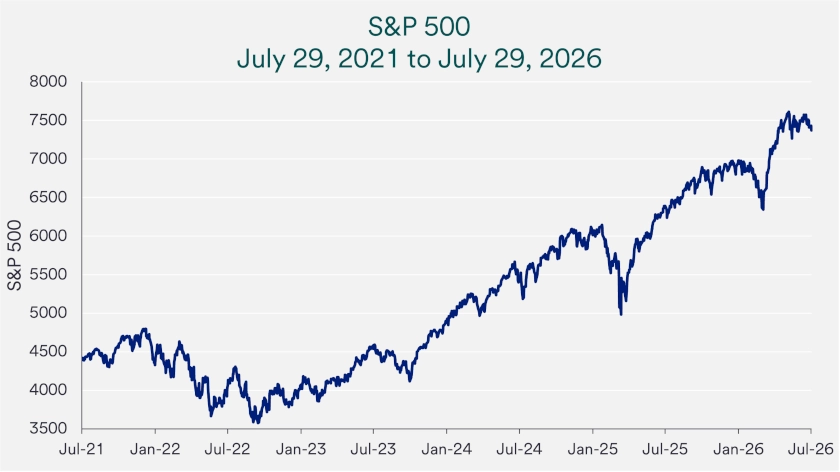
S&P 500 futures climbed 0.6%, pointing to a strong opening bell on West Street, while Nasdaq 100 futures jumped 0.8%, led by interest-rate-sensitive mega-cap technology giants. Dow Jones Industrial Average futures added 140 points, signaling broad-based market participation. In the debt markets, the yield on the benchmark 10-year U.S. Treasury note eased to 3.74%, reflecting a recalibration of interest rate expectations, while the U.S. dollar index slid against a basket of major global currencies.
For months, global markets have been caught in a tense tug-of-war between fears of sticky inflation and anxieties over a slowing labor market. Today's twin data releases appear to have temporarily resolved that tension, offering Wall Street a rare "Goldilocks" scenario: cooling price pressures alongside a stable, non-inflationary workforce expansion.
Inside the Numbers: PCE Cools to Key Thresholds
:max_bytes(150000):strip_icc()/ES1_2026-09-30_06-54-46-bf4417475e80472ba6336ceec2eff5a6.png)
According to data released by the Bureau of Economic Analysis, the Personal Consumption Expenditures (PCE) price index—which the FOMC values above the volatile Consumer Price Index (CPI) due to its dynamic weighting—rose just 0.1% in August from the previous month. This brought the annualized headline PCE rate down to 2.0%, hitting the Federal Reserve’s long-term target sooner than many skeptical economists had projected.
More importantly, Core PCE, which strips out volatile food and energy costs to provide a clearer view of underlying inflation trends, rose 0.1% on a monthly basis, undershooting the consensus Wall Street estimate of 0.2%. On an annual basis, Core PCE settled at a highly encouraging 2.1%.
August 2026 Macroeconomic Scorecard
| Economic Indicator | Actual Release | Wall Street Consensus | Prior Month |
|---|---|---|---|
| Headline PCE (YoY) | 2.0% | 2.2% | 2.3% |
| Core PCE (MoM) | 0.1% | 0.2% | 0.2% |
| Core PCE (YoY) | 2.1% | 2.3% | 2.4% |
| Private-Sector Job Additions | 142,000 | 115,000 | 98,000 |
The decelerating momentum in core services—specifically shelter and transportation—suggests that the compounding effects of high borrowing costs are finally draining excess demand from the consumer economy, without pushing it over the precipice.
The Labor Factor: Private Hiring Defies the Bears
While cooling inflation is welcome news for equity bulls, it only represents half of the macroeconomic puzzle. Concerns had been mounting that aggressive Fed policy had cracked the labor foundation. However, private-sector payroll data released early this morning by the ADP Research Institute in collaboration with Stanford Digital Economy Lab thoroughly dismantled those fears.
Private employers added 142,000 jobs in August, comfortably beating Wall Street forecasts of 115,000 and marking a solid rebound from the downwardly revised 98,000 jobs added in July. The hiring gains were led by the service sector—particularly healthcare, leisure, and professional services—while manufacturing showed stabilization.
"This is precisely what the Federal Reserve wanted to see," says Sarah Jenkins, Chief Market Strategist at Vanguard Global Asset Management. "We are seeing a normalization of the labor market, not a collapse. When you combine steady hiring with core inflation that is practically kissing the 2% target, you remove the immediate tail-risk of a recession while keeping the door wide open for further interest rate cuts."
What This Means for Fed Policy and Your Portfolio
The highly encouraging macroeconomic backdrop dramatically simplifies the path forward for Federal Reserve Chairman Jerome Powell and the Federal Open Market Committee (FOMC). With inflation effectively tamed and the labor market holding firm, the debate on Wall Street is shifting from whether the Fed will cut rates in their upcoming meetings, to the exact velocity of those cuts.
According to the CME FedWatch Tool, traders have now priced in a 100% probability of a 25-basis-point rate cut at the November meeting, with the probability of a more aggressive 50-basis-point cut falling from 40% to roughly 15%. This shift in odds reflects a market that no longer feels the Fed needs to "panic-cut" to save a deteriorating economy.
- Mega-Cap Tech Rebound: Companies like Apple, Microsoft, and Nvidia, which heavily rely on long-duration growth valuations, stand to benefit immensely from a lower-cost borrowing environment.
- Small-Cap Renaissance: The Russell 2000 index futures surged over 1.2% this morning, as smaller, debt-reliant corporations look forward to easing credit conditions.
- Treasury Stability: The stabilization of yields provides institutional bond portfolios with much-needed predictability after years of historic volatility.
As the closing bell of the third quarter approaches, the narrative of "higher-for-longer" has officially been retired. In its place stands a market that is cautiously celebrating the return of stable growth and predictable monetary policy.
Frequently Asked Questions (FAQ)
Why is the PCE inflation report preferred by the Federal Reserve over the CPI?
The Federal Reserve prefers the Personal Consumption Expenditures (PCE) price index because it accounts for consumer substitution—meaning it tracks how consumers change their buying habits when the price of one good rises relative to another (e.g., buying chicken instead of beef). Additionally, the PCE covers a broader scope of expenditures, including those paid for by third parties, such as employer-provided healthcare, offering a more comprehensive picture of aggregate inflation.
How does a lower-than-expected PCE affect everyday investors?
A lower PCE indicates that inflation is cooling toward the Fed's 2% target. For everyday investors, this usually translates to lower borrowing costs in the medium term, as the Federal Reserve cuts its benchmark interest rates. Consequently, mortgage rates, auto loans, and credit card APRs tend to decline, while equity markets—particularly tech, real estate, and small-cap stocks—often rally due to lower corporate borrowing expenses and improved valuation models.