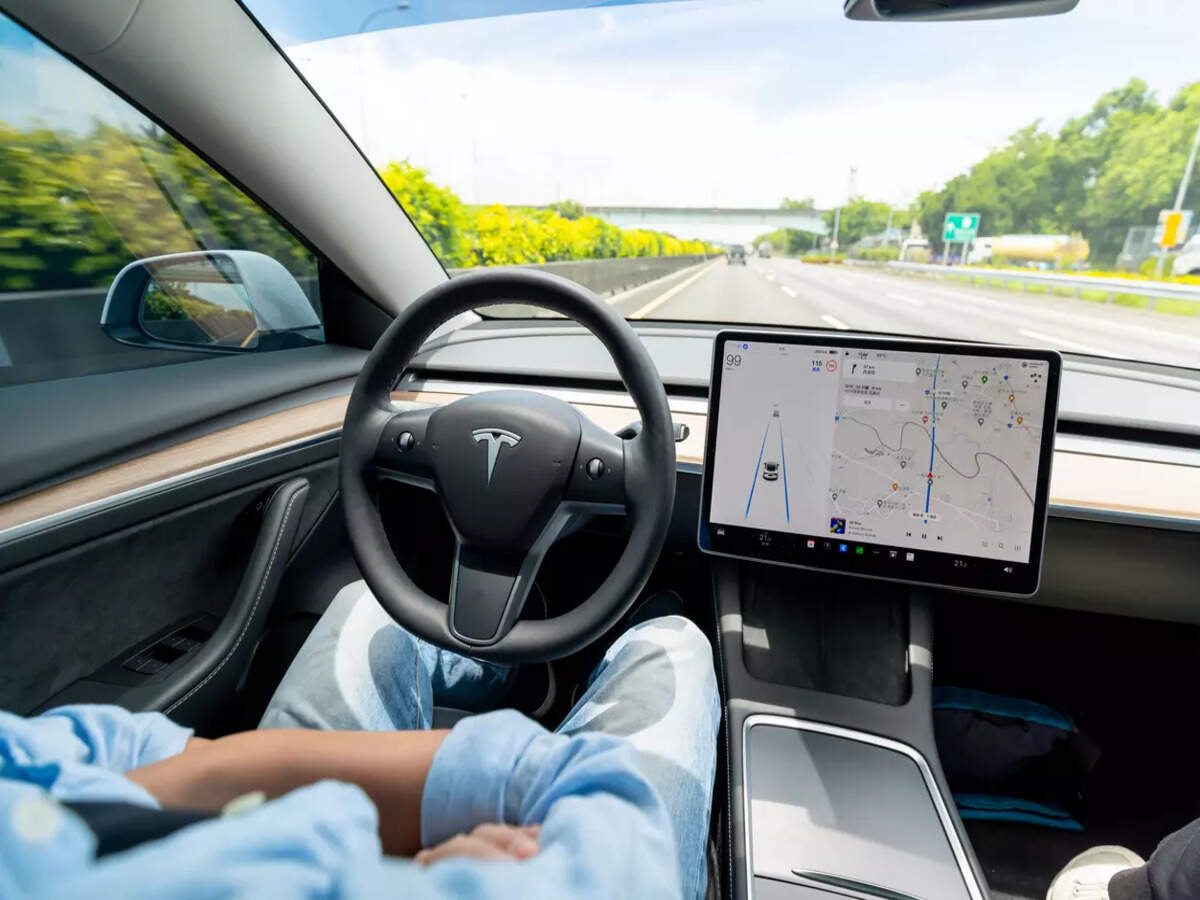
Pivot to the Cockpit: How AI and Autonomy Just Stole the Show as Automakers Put EVs in Reverse
LAS VEGAS — The trillion-dollar electric vehicle bandwagon has officially hit a speed bump. At the opening of the 2026 Consumer Electronics Show (CES) in Las Vegas, the world’s legacy automakers and high-tech upstarts executed a massive, highly visible pivot. After years of relentlessly pitching zero-emission battery ranges and charging speeds, boardrooms are suddenly singing a different tune: artificial intelligence, software-defined cockpits, and advanced autonomy.
Facing cooling consumer demand, stubbornly high battery costs, and razor-thin profit margins on mass-market EVs, auto executives used the desert tech showcase to hit the brakes on aggressive electrification timelines. In their place, a new hero emerged. Generative AI, predictive vehicle maintenance, and next-generation LiDAR sensors commanded the spotlight, proving that while car buyers might be hesitating on full electrification, they are more than ready to pay for rolling supercomputers.
The Great EV Retreat: Realities of the Market Correction
For the past half-decade, CES has functioned essentially as a massive EV parking lot. Every January, Detroit, Stuttgart, and Tokyo rolled out sprawling concepts powered entirely by lithium-ion battery packs. This year, the floor plan tells a dramatically different story.
Major manufacturers used the global media platform to quietly recalibrate their medium-term strategies. Capital expenditure is being aggressively rerouted away from multi-billion-dollar battery plant builds and funneled straight into silicon chips, neural networks, and cockpit interfaces. Industry analysts note that while the long-term destination remains zero emissions, the roadmap has been rewritten to prioritize software monetization over sheer hardware volume.
- Capital Reallocation: Billions previously earmarked for standalone EV platform development are pivoting toward in-car AI architectures and autonomous driving systems.
- Consumer Resistance: Persistently high vehicle acquisition costs and lingering anxiety over public charging infrastructure have forced executive boards to temper aggressive internal sales targets.
- Software as a Savior: Automakers are betting that subscription-based AI features, advanced driver assistance systems (ADAS), and digital entertainment will rescue profitability.
Inside the AI Cockpit: What Dominated the Las Vegas Convention Floor
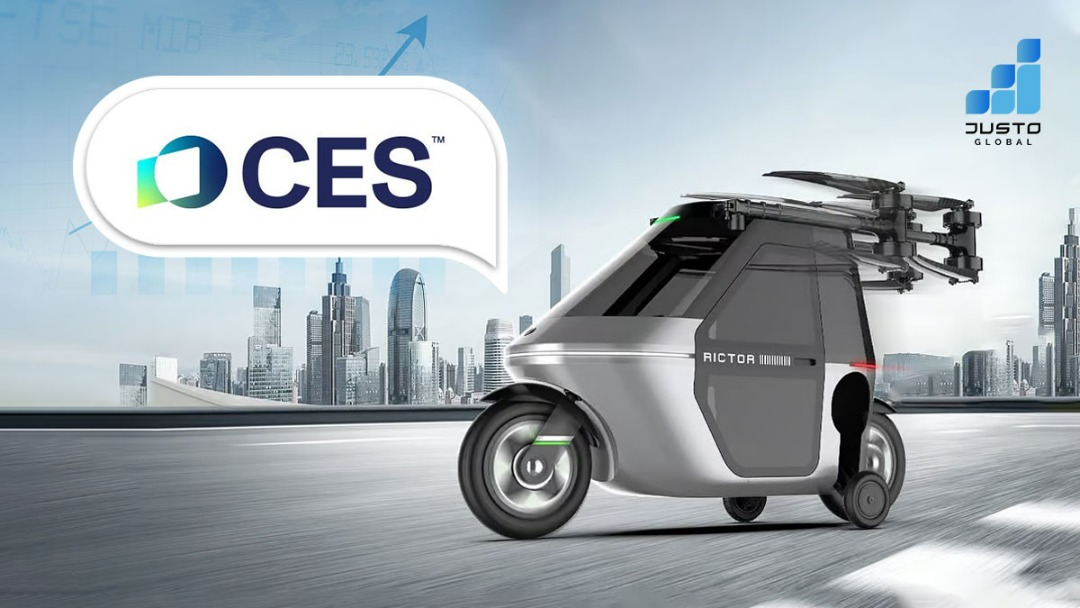
If the traditional engine block defined the 20th-century automobile, the large language model is claiming the 21st. Tech giants and Tier-1 automotive suppliers packed the exhibition halls with demonstrations of generative AI integration that go far beyond basic voice commands like finding the nearest coffee shop.
Modern cabin systems now feature localized neural networks capable of predicting passenger preferences, diagnosing mechanical anomalies in real-time, and rendering augmented reality dashboards that seamlessly blend the digital world with the highway ahead. Sony, Honda, and a wave of autonomous sensor startups drew massive crowds by demonstrating vehicles that practically drive and think for themselves.
Furthermore, Level 3 and nascent Level 4 autonomous systems took center stage. Rather than promising a fully driverless future tomorrow, companies showcased pragmatic, commercially viable autonomous highway cruising features that can be deployed under current regulatory frameworks—generating immediate revenue rather than theoretical future hype.
| Strategic Focus (Past CES) | Strategic Focus (CES 2026) | Primary Driver |
|---|---|---|
| Pure EV Range & Battery Gigafactories | AI-Powered Cockpits & Neural Software | Cooling consumer EV adoption rates |
| Aggressive 100% Zero-Emission Deadlines | Flexible Multi-Powertrain Platforms (ICE, Hybrid, EV) | Protecting near-term profit margins |
| Basic Infotainment Touchscreens | Generative AI Assistants & Predictive Maintenance | Unlocking recurring software subscription revenues |
Wall Street and Industry Reactions
Financial markets have responded favorably to the pragmatic retreat. Institutional investors, who spent much of 2024 and 2025 punishing legacy automakers for burning cash on unprofitable EV lines, viewed the CES pivot as a sign of operational maturity.
"The industry is finally waking up to the reality of adoption curves," says a senior automotive equity analyst based in New York. "You cannot force a market to buy battery-electric vehicles faster than the infrastructure—and their wallets—can support. By shifting the narrative to high-margin software, AI, and autonomy, automakers are protecting their bottom lines while keeping tech-hungry consumers engaged."
Still, critics warn that dialing back EV plans too sharply risks ceding long-term ground to dominant, vertically integrated players who refuse to slow down. However, the prevailing sentiment in Las Vegas is clear: survival today requires immediate profitability, and software is the vehicle to get there.
Frequently Asked Questions
Why are automakers dialing back their EV plans right now?
Automakers are scaling back aggressive EV targets primarily due to slower-than-expected consumer adoption, high upfront battery production costs, and inadequate public charging infrastructure. By dialing back these plans, companies can protect their profit margins while consumer demand matures.
What role does AI play in modern vehicles following this year's CES?
Artificial intelligence has shifted from a novel infotainment feature to the central nervous system of the modern vehicle. At CES, AI was showcased managing predictive mechanical diagnostics, powering hyper-personalized cabin experiences, and processing complex sensor data for advanced driver-assistance systems (ADAS) and autonomy.