DC Insider: U.S.-Iran Secure High-Stakes Diplomatic Opening as Federal Judge Rebuffs DOJ Kennedy Center Bid
WASHINGTON — In a breathless Friday across the nation's capital, high-stakes diplomacy collided with federal court drama. U.S. and Iranian negotiators achieved an apparent, long-sought breakthrough in backchannel negotiations aimed at curbing regional hostilities and reviving nuclear guardrails, sending tremors through global energy markets. Simultaneously, just blocks away from the National Security Council’s operations, a federal judge dealt an abrupt, stinging legal defeat to the Department of Justice, rejecting the government’s contested petition regarding oversight and access at the John F. Kennedy Center for the Performing Arts.
The dual developments underscore a hyper-pressurized moment in Washington, where fragile geopolitical gambits abroad are matching structural tug-of-wars within domestic institutions at home.
Executive Summary: Today’s Core Developments
- Geopolitical Breakthrough: Bilateral diplomatic tracks hosted via Gulf intermediaries produced a draft framework between Washington and Tehran, addressing uranium enrichment caps, reciprocal humanitarian asset releases, and maritime security protocols.
- Energy Market Reaction: Global benchmark Brent crude and West Texas Intermediate (WTI) retreated by more than 2.4% on the news as traders priced in a potential de-escalation of Gulf supply vulnerabilities.
- Judicial Pushback: U.S. District Court Judge Arthur R. Connelly summarily denied an emergency Department of Justice motion seeking expedited intervention and evidentiary enforcement tied to ongoing administrative disputes at the Kennedy Center.
- Congressional Friction: Capitol Hill defense and foreign relations committees convened impromptu closed-door briefings, with hardline lawmakers pledging immediate legislative hurdles against any unsanctioned sanctions relief.
The Geneva-Muscat Track: Inside the U.S.-Iran Breakthrough
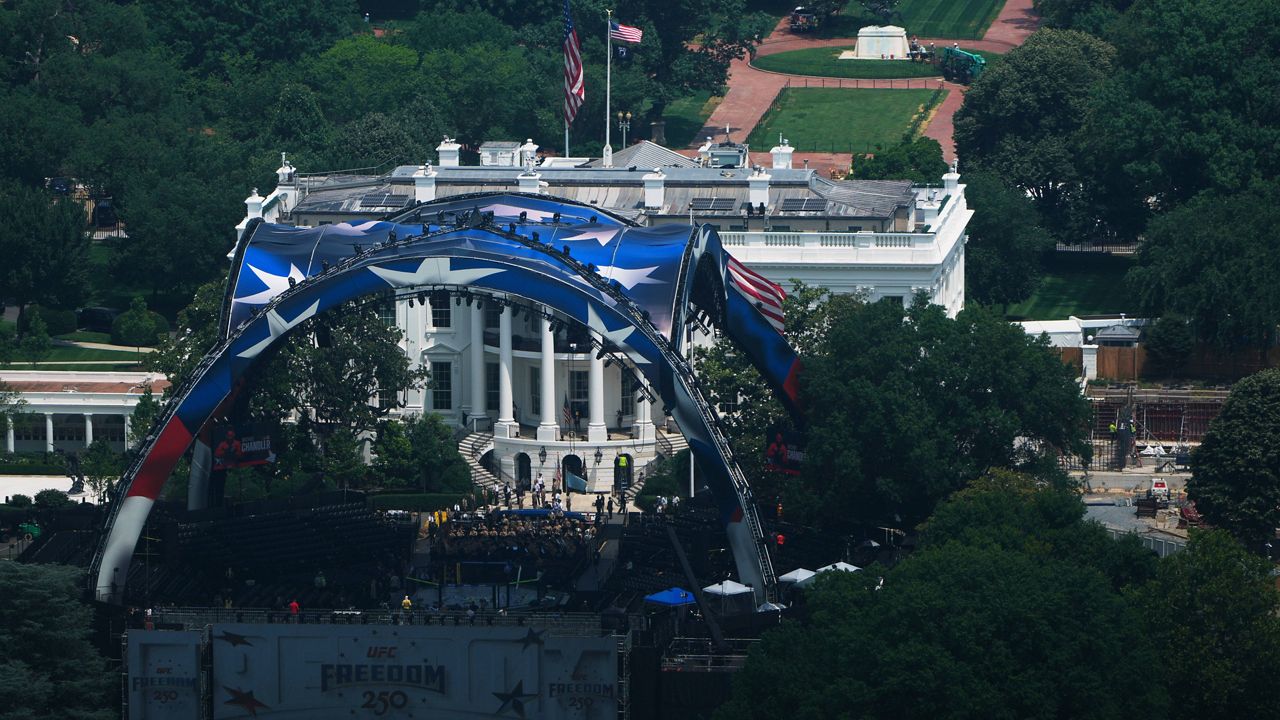
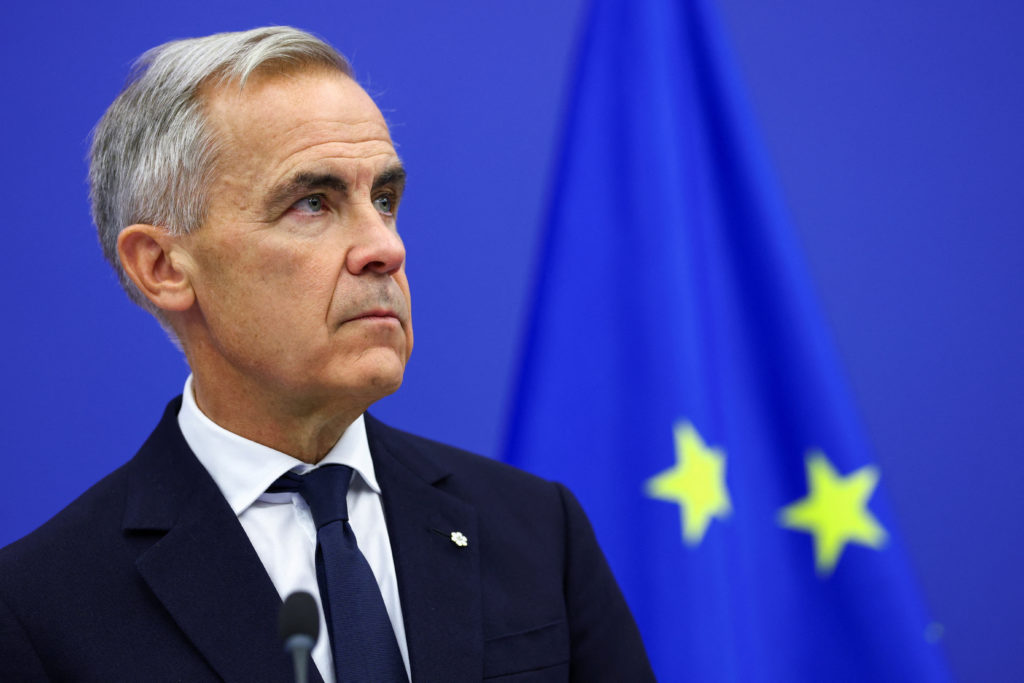
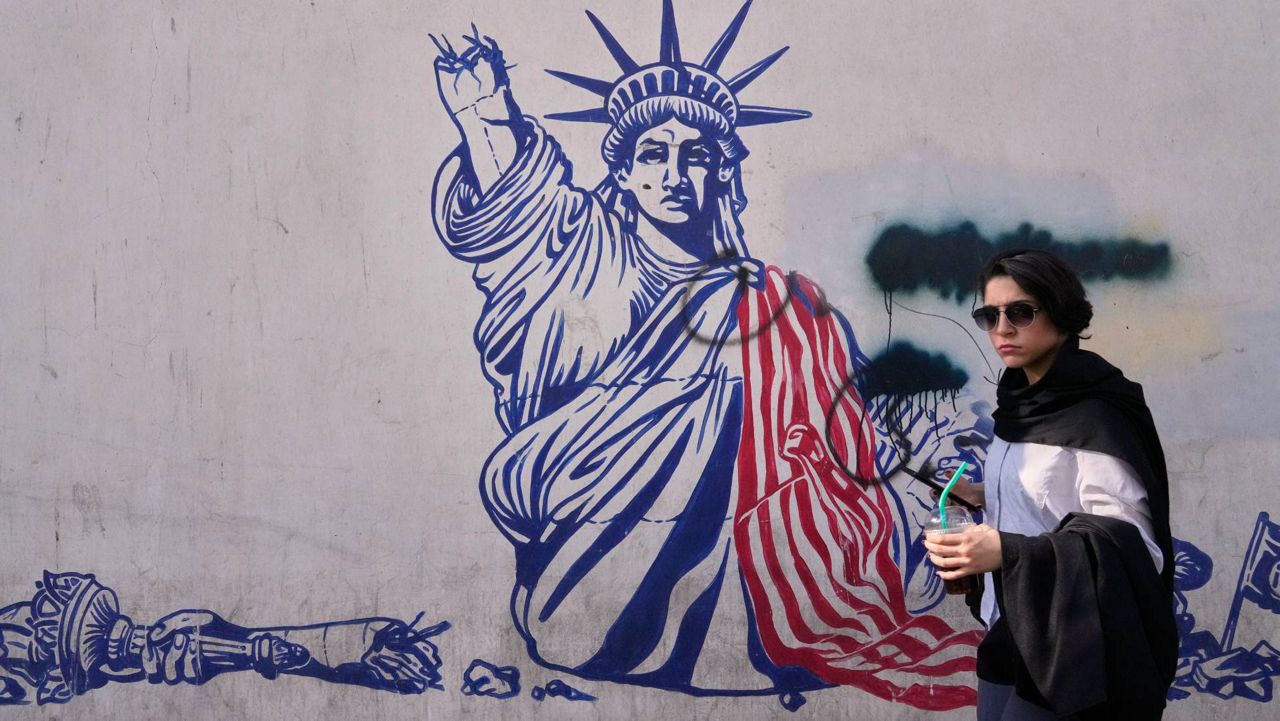
According to senior administration officials speaking on the condition of anonymity, the diplomatic turning point followed twelve days of intense, indirect talks mediated primarily by Omani and Swiss diplomats. The tentative framework establishes enforceable guardrails to reverse Tehran’s near-weapons-grade 60% uranium stockpiles in exchange for structured, third-party-monitored access to frozen foreign exchange reserves earmarked exclusively for agricultural and medical procurement.
“We have established an operational pathway forward that addresses our core non-proliferation baselines while defusing immediate maritime friction points in the Strait of Hormuz,” a senior State Department official confirmed to reporters. “However, this is a sequencing process, not an overarching political normalization. Trust remains non-existent; verification will be absolute.”
The diplomatic pivot comes at a critical juncture for the White House. Prolonged escalations involving proxy operations across the Levant and Red Sea shipping lanes had threatened to embroil American forces in a protracted regional theater. For Tehran, battered by systemic inflation, currency devaluation, and widespread domestic economic stress, unlocking sovereign accounts housed in Asian and European institutions provides a badly needed macroeconomic lifeline.
Yet the breakthrough faces an immediate buzzsaw in Congress. Key Senate leaders on the Foreign Relations Committee signaled they will invoke the Iran Nuclear Agreement Review Act (INARA) to force a contentious review period, demanding unredacted annexes before any sanctions waivers are formalized.
Legal Blow: Judge Rebuffs DOJ’s Move on the Kennedy Center
While the administration calibrated its foreign policy triumph, the Department of Justice absorbed an unexpected loss in the U.S. District Court for the District of Columbia. In a sharp, nine-page memorandum order, District Judge Arthur R. Connelly denied the DOJ’s motion for an expedited injunction that sought extensive compliance mandates and supervisory authority over the Kennedy Center’s internal operational and financial records.
The DOJ had petitioned the court under the premise of federal oversight statutory rights, citing the need to audit institutional allocations and administrative procedures following disputes over federal trustee appointments and facility management protocols. Judge Connelly rejected the government’s plea, ruling that the Justice Department failed to establish either "irreparable institutional injury" or clear statutory preeminence over the congressionally chartered cultural center's self-governing board.
“The government seeks to leverage emergency civil process where standard administrative procedure was not only adequate, but mandated by statute,” Connelly wrote. “The Court finds no basis to supplant statutory governance mechanisms with an ad-hoc judicial decree.”
The ruling represents an embarrassing procedural setback for Justice Department attorneys, who had sought to accelerate federal oversight protocols ahead of the upcoming fiscal cycle. Counsel for the Kennedy Center’s leadership hailed the decision as a decisive defense of institutional autonomy and statutory governance.
By the Numbers: Washington’s Twin Turning Points
| Focal Area | Primary Action / Ruling | Immediate Stakeholder Impact | Next Critical Milestone |
|---|---|---|---|
| U.S.-Iran Talks | Draft framework agreed in principle via Muscat mediation. | Global oil benchmark drops ~2.4%; de-escalation of Persian Gulf maritime alerts. | IAEA verification team deployment; 30-day Congressional review window. |
| DOJ v. Kennedy Center | Motion for emergency oversight and disclosure denied. | Kennedy Center maintains governing board independence; DOJ review paused. | DOJ timeline to appeal to D.C. Circuit Court of Appeals (30-day window). |
Strategic Implications: A Fluid Political Landscape
The convergence of these events highlights the razor-thin margin for error facing the administration. In the foreign policy arena, any sustained agreement with Iran requires not just diplomatic compliance from Tehran, but political endurance in Washington. With oil markets reacting swiftly, corporate energy buyers and institutional investors will scrutinize IAEA compliance reports for signs of structural stability.
Domestically, the Kennedy Center ruling sends a cautionary message to federal litigators testing the limits of executive branch authority over independent and quasi-public boards. With the DOJ weighing whether to lodge an emergency appeal before the D.C. Circuit, administrative law scholars noted that Connelly’s ruling reasserts traditional judicial skepticism against executive overreach into congressionally structured entities.
Frequently Asked Questions
What are the immediate economic effects of the U.S.-Iran breakthrough?
The most direct impact is registered across energy commodities. West Texas Intermediate and Brent crude futures slipped by more than 2% within hours of the announcement, reflecting a reduction in geopolitical risk premiums across the Persian Gulf. Additionally, clearing international escrow accounts for humanitarian goods is expected to stabilize critical regional supply chains.
Can the Department of Justice appeal the judge’s Kennedy Center decision?
Yes. The Justice Department has a 30-day statutory window to petition the U.S. Court of Appeals for the District of Columbia Circuit. However, because Judge Connelly’s dismissal cited fundamental jurisdictional defects and a failure to demonstrate irreparable harm, legal analysts suggest an appeal faces steep procedural hurdles without revised evidence.