Showdown at the Chokepoint: Why the Sudden Collapse of Iran-Gulf Hormuz Talks Threatens Global Energy Markets
MUSCAT / LONDON — A high-stakes diplomatic effort to defuse mounting maritime tensions in the Middle East has suffered a major setback. A highly anticipated summit between Iran and the Arab Gulf states aimed at securing the Strait of Hormuz—the world’s most critical oil transit chokepoint—has been abruptly postponed. The delay, confirmed by diplomatic sources in Muscat, highlights the deep-seated mistrust paralyzing regional security coordination at a time when global energy corridors face unprecedented risks.
Oman, acting as the primary mediator, cited a critical lack of "consensus" among the participating states as the primary reason for shelving the talks. While Tehran attempted to put a diplomatic gloss on the breakdown—insisting that regional nations remain committed to cooperation and will eventually reach an understanding—diplomats in Riyadh and Abu Dhabi suggest that fundamental disagreements over security guarantees and foreign military presence have derailed the initiative for the foreseeable future.
Executive Summary: The Hormuz Impasse
- The Core Event: A crucial diplomatic summit between Iran and the Gulf Cooperation Council (GCC) states to negotiate maritime safety in the Strait of Hormuz has been indefinitely postponed.
- Oman's Warning: Muscat, the traditional neutral mediator of the Middle East, pulled back the initiative, stating that a "consensus" on key security frameworks could not be reached.
- Tehran’s Stance: Iranian state media downplayed the postponement, claiming that regional countries will eventually coordinate maritime security without Western intervention.
- Market Implications: Brent crude and WTI futures showed immediate volatility on the news, as traders price in a prolonged risk premium for shipping through the Persian Gulf.
The Geopolitical Stumbling Block: Why Diplomacy Stalled

The failure to bring Iran and its GCC neighbors to the negotiating table underscores the fragile nature of the Middle East's diplomatic detente. Following the China-brokered normalization of relations between Saudi Arabia and Iran in 2023, there was hope that regional security frameworks could be established to protect merchant shipping. However, those hopes have crashed against the reality of ongoing regional proxy conflicts and the broader shadow war involving Israel and Iran.
According to senior diplomatic sources, the primary sticking point remains the presence of Western naval forces in the Persian Gulf. Iran has consistently demanded the complete withdrawal of the U.S. Fifth Fleet and allied European task forces, arguing that regional security should be managed exclusively by littoral states. Conversely, Gulf states like Saudi Arabia, the United Arab Emirates, and Bahrain view the U.S. security umbrella as an indispensable counterweight to Iran's naval capabilities and its history of seizing commercial tankers.
Furthermore, GCC members are highly skeptical of Tehran's sincerity. Even as Iranian diplomats preach regional unity, Western intelligence agencies continue to point to Iran’s backing of Houthi rebels in Yemen, whose missile and drone strikes have successfully throttled shipping through the Bab el-Mandeb Strait and the Red Sea. For the Gulf monarchies, securing Hormuz is meaningless if the secondary chokepoints of their supply chains remain under constant threat from Iranian proxies.
Strait of Hormuz: Global Shipping Vital Statistics
To understand the gravity of this diplomatic failure, one must look at the sheer volume of global trade that hinges on the stability of this narrow strip of water. Below is a breakdown of the strategic importance of the Strait of Hormuz to the global economy:
| Metric / Indicator | Volume / Data Points | Global Significance |
|---|---|---|
| Daily Oil Flow | ~20.5 Million Barrels Per Day (bpd) | Appx. 20% of global petroleum consumption |
| Liquefied Natural Gas (LNG) | Over 80 Million Tons Per Year | Crucial for European and Asian energy grids (primarily Qatar) |
| Chokepoint Width | 21 miles (33 km) at its narrowest | Highly vulnerable to naval blockades and mine-laying |
| Primary Destinations | China, India, Japan, South Korea | The lifeblood of East Asian industrial economies |
The Economic Stakes: Risk Premiums and Supply Chain Fears
For global financial markets and commodity traders, the postponement of these talks is a sobering reminder of the structural vulnerabilities in global energy supply chains. Over the past year, the shipping industry has already been forced to divert hundreds of container ships and tankers around the Cape of Good Hope to avoid the Red Sea. If the Strait of Hormuz experiences similar disruptions, the global economy would face an immediate, severe inflationary shock.
Maritime insurance underwriters in London have already begun recalculating war-risk premiums for vessels transiting the Gulf. While the postponement has not yet triggered a dramatic surge in crude prices, it places a firm floor under Brent pricing, preventing a broader market retreat despite slowing global demand. Analysts warn that any tactical escalation—such as a renewed wave of tanker detentions or drone provocations—could instantly send crude prices soaring past $90 a barrel.
The Role of Western and Asian Powers
The diplomatic stalemate puts both Washington and Beijing in a delicate position. For the United States, keeping the Strait of Hormuz open is a cornerstone of its global security commitments, even as it seeks to pivot its strategic focus to the Indo-Pacific. The Biden administration has quietly encouraged intra-regional dialogue, hoping that local pacts could eventually reduce the burden on U.S. naval assets.
For China, which imports more than half of its crude oil from the Persian Gulf, the breakdown of talks is a direct blow to its regional diplomacy. Having successfully brokered the Saudi-Iran rapprochement, Beijing had hoped to position itself as the ultimate guarantor of Middle Eastern stability. The current deadlock demonstrates the limits of Beijing’s transactional diplomacy when confronted with deep-rooted ideological and security anxieties.
Looking Ahead: Is a Diplomatic Breakthrough Possible?
Despite the setback, Oman has stated that it will continue its backchannel diplomacy to bridge the gaps between Tehran and the GCC capitals. However, senior analysts believe that a meaningful security treaty is highly unlikely until the broader regional conflicts—most notably the war in Gaza and the direct confrontations between Israel and Iran—reach some form of resolution.
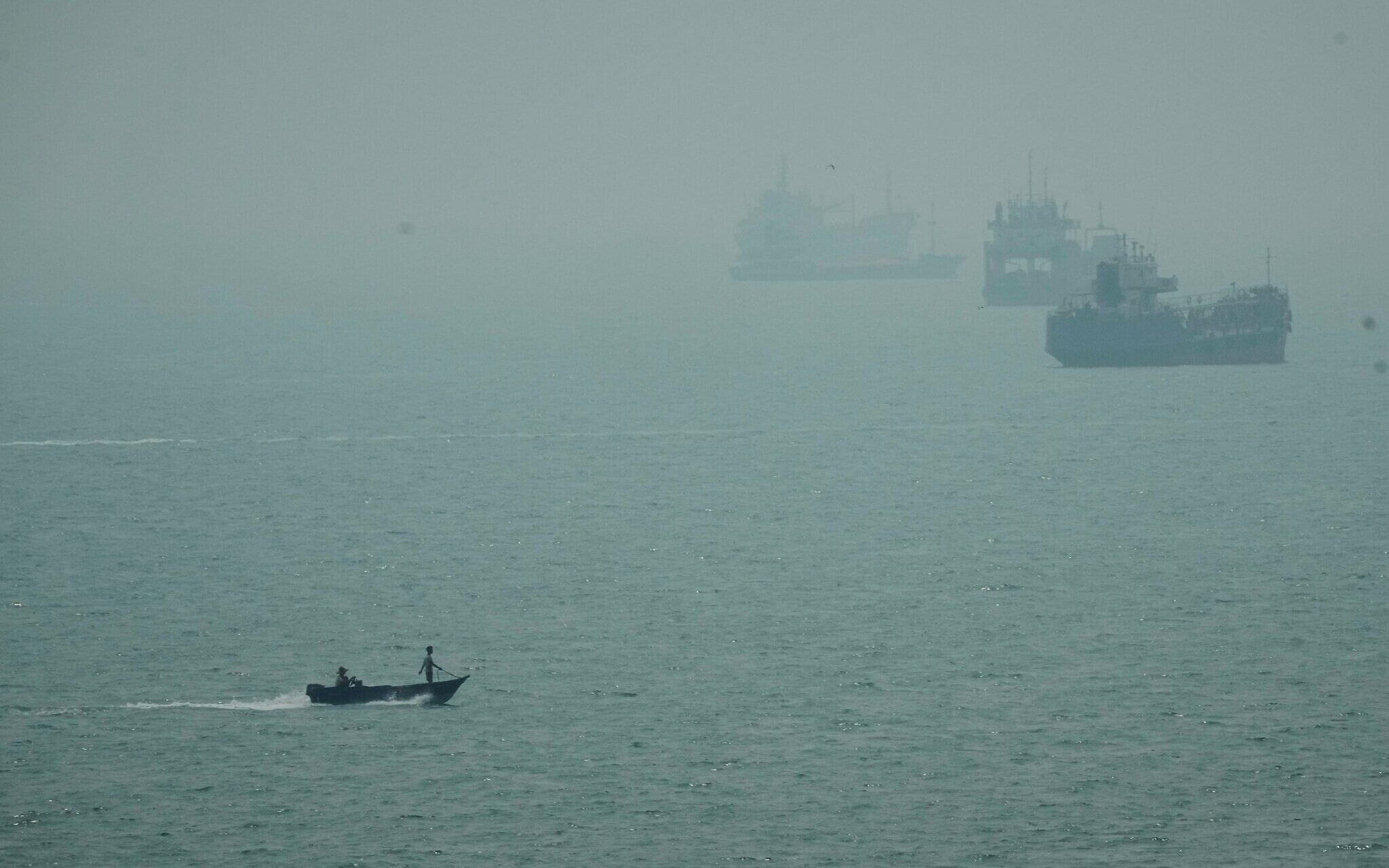
Until then, the Strait of Hormuz will remain a volatile geopolitical chessboard. Merchant vessels will continue to navigate its waters under high alert, reliant on Western naval coalitions rather than regional diplomatic agreements for their protection. In the game of Middle Eastern diplomacy, the path to consensus remains as narrow and treacherous as the strait itself.
Frequently Asked Questions (FAQ)
1. Why did Oman postpone the Iran-Gulf summit on the Strait of Hormuz?
Oman postponed the meeting because there was a lack of "consensus" among the participating nations. Deep disagreements persist between Iran and the Gulf Cooperation Council (GCC) states regarding maritime security protocols, the presence of foreign naval forces (such as the U.S. Fifth Fleet), and the ongoing regional proxy conflicts.
2. How does the postponement of these talks affect global oil prices?
While the postponement did not cause an immediate price spike, it maintains a persistent "geopolitical risk premium" on global crude benchmarks like Brent and WTI. Traders and insurance underwriters must continue to account for the risk of sudden disruptions, tanker seizures, or military escalations in the Strait of Hormuz, through which 20% of the world's petroleum flows.