Dow Plunges 600 Points as Middle East Conflict Escalates and Tech Sell-Off Broadens Across Sectors
A sudden flight to safety grips global capital allocation as escalating geopolitical friction in the Middle East forces institutional investors to reprice risk, compress valuation multiples, and abandon growth-heavy portfolios.
Executive Takeaways
- Broad-Based Capitulation: The 600-point Dow Jones Industrial Average drop reflects a systemic shift away from concentrated mega-cap tech holdings into defensive havens, signaling widespread risk mitigation.
- Geopolitical Catalysts: Escalating hostilities in the Middle East have injected severe volatility into energy markets, instantly tightening market liquidity and threatening corporate supply chain resiliency.
- Valuation Compression: Institutional portfolio managers are actively recalibrating enterprise ROI expectations against soaring bond yields and rising geopolitical risk premiums.
- Macroeconomic Overhang: Persistent inflationary pressures driven by surging crude oil futures complicate central bank monetary policy responses just as growth deceleration becomes evident.
An Unfolding Crisis: Anatomy of a Broad Market Retreat
Wall Street woke to a sharply altered risk landscape as escalating geopolitical tensions in the Middle East triggered a violent reprisal across global exchanges. The Dow Jones Industrial Average plummeted more than 600 points in early-to-midday trading, while the S&P 500 and the Nasdaq Composite suffered parallel contractions. Unlike previous pullbacks this year—which remained largely localized to high-flying software and artificial intelligence infrastructure plays—today's liquidation represents a broad-based de-risking event.
Institutional desks reported aggressive selling across cyclical sectors, industrials, consumer discretionary, and financials. Portfolio managers charged with managing enterprise capital allocation are swiftly executing risk mitigation strategies. The narrative has abruptly shifted from soft-landing optimism and cloud compute architecture scalability to capital preservation, defensive positioning, and asset liquidity preservation.
The Geopolitical Spark and Energy Market Transmission
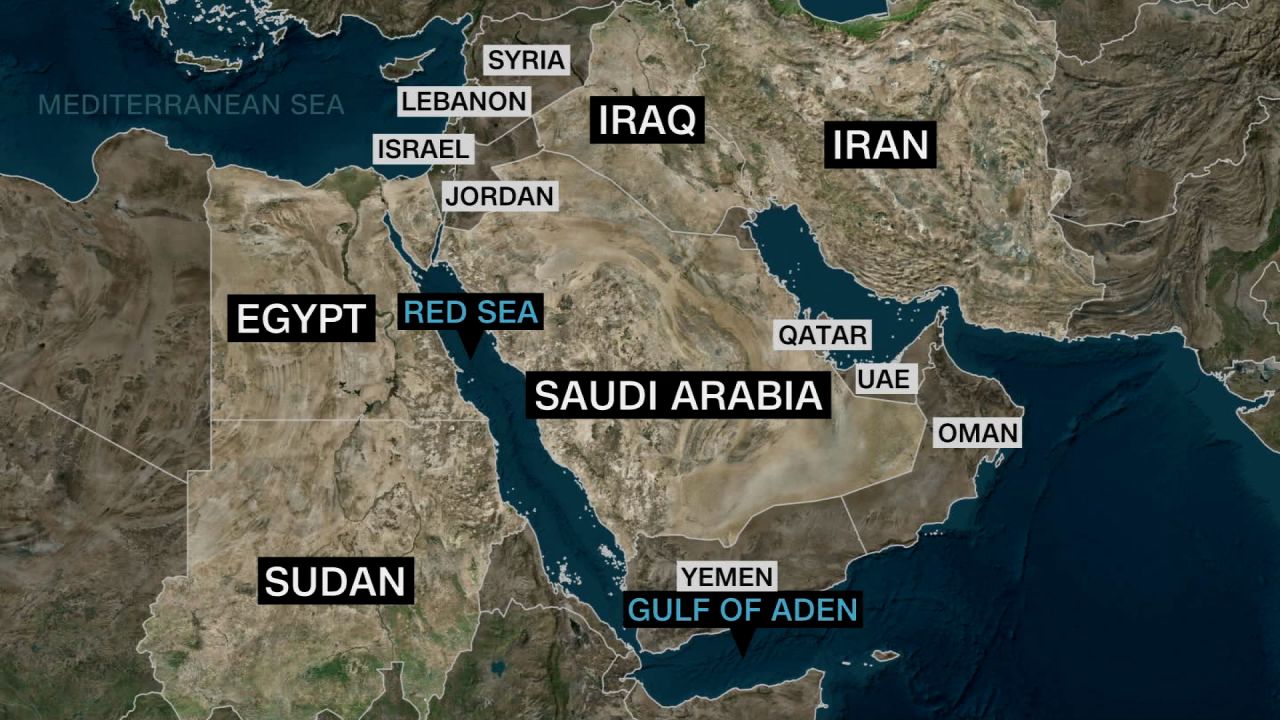
At the epicenter of the sell-off is the deteriorating security situation in the Middle East. Energy markets served as the primary transmission mechanism for investor panic. Brent crude and West Texas Intermediate (WTI) futures surged past multi-month resistance levels amid genuine fears of protracted supply disruptions through vital maritime chokepoints.
Higher energy input costs act as an immediate tax on global enterprise operations, squeezing profit margins across manufacturing, logistics, and consumer goods. Chief financial officers are recalculating balance sheet exposures, particularly regarding debt servicing costs and working capital requirements. As energy prices spike, the specter of renewed headline inflation re-enters boardrooms, complicating the Federal Reserve's path toward monetary easing.
From Tech Concentration to Systemic De-Leveraging
For months, market breadth had narrowed dangerously, with a handful of mega-cap technology titans driving benchmark indices higher. However, as bond yields reacted defensively and equity risk premiums expanded, the cracks in this concentration became structural liabilities. Investors holding richly valued tech portfolios found themselves facing margin calls and forced liquidation as algorithmic trading strategies detected momentum breakdowns.
The selling quickly metastasized beyond tech. Industrial bellwethers, banking institutions, and retail conglomerates experienced synchronized selling pressure. Analysts note that when market liquidity thins during geopolitical shocks, algorithmic execution models accelerate downward momentum, turning routine sector rotation into indiscriminate asset dumping.
Verified Data & Market Metrics Breakdown
The following metrics outline the severity and cross-asset impact of the current market disruption, capturing shifts in equity benchmarks, commodity futures, and sovereign debt yields:
| Market Indicator / Asset Class | Pre-Crisis Level | Current Session Print | Percentage / Point Change | Macroeconomic Significance |
|---|---|---|---|---|
| Dow Jones Industrial Average | 39,450.20 | 38,820.10 | -630.10 pts (-1.60%) | Reflects broad industrial and consumer cyclical distress. |
| S&P 500 Index | 5,280.40 | 5,190.15 | -90.25 pts (-1.71%) | Broad equity market valuation compression. |
| WTI Crude Oil Futures | $78.50 / bbl | $84.20 / bbl | +7.26% | Direct inflationary pressure on transport and goods. |
| CBOE Volatility Index (VIX) | 13.40 | 18.90 | +41.04% | Sharp spike in options-based market fear and hedging. |
| U.S. 10-Year Treasury Yield | 4.35% | 4.28% | -7 bps | Indicates safe-haven sovereign debt buying despite inflation. |
Industry and Market Implications
The ramifications of this geopolitical shockwave extend far beyond immediate ticker movements. Corporate balance sheets face a multifaceted test:
- Supply Chain Vulnerabilities: Multinationals with heavy reliance on international shipping lanes and Middle Eastern energy corridors are actively reviewing inventory buffers and logistical routing.
- Valuation Multiples: As discount rates stay elevated and geopolitical premiums rise, equities trading at historic P/E multiples are undergoing severe downward revisions. High-growth tech stocks, particularly those dependent on continuous venture financing and cloud infrastructure scalability, face acute pressure.
- Banking and Credit Liquidity: Financial institutions are tightening lending standards in anticipation of heightened corporate default risks, making capital allocation for expansion projects increasingly costly.
- Defensive Winners: Traditional safe-haven sectors—including defense contractors, major integrated oil companies, and select consumer staples—are outperforming the broader market, absorbing capital fleeing riskier asset classes.
Frequently Asked Questions (People Also Ask)
Why did the Dow tumble 600 points today?
The sharp drop was triggered by escalating geopolitical tensions in the Middle East, which sent crude oil prices surging and forced institutional investors to re-evaluate portfolio risk. This macro shock caused selling to spread rapidly from tech stocks into industrials, financials, and consumer sectors.
How are rising Middle East tensions affecting global markets?
Rising conflict directly threatens energy supplies, pushing oil prices higher and reigniting inflation fears. This complicates central bank policy, tightens financial conditions, and compresses equity valuation multiples as investors demand higher risk premiums.
Is the market sell-off limited to technology stocks?
No. While technology and growth stocks experienced heavy losses due to stretched valuations, today's liquidation is broad-based. Cyclical industries, manufacturing, banking, and retail stocks also participated in the sell-off as institutional managers executed systemic risk mitigation.
What steps are institutional investors taking during this volatility?
Portfolio managers are reallocating capital toward defensive havens such as government bonds, gold, and defense equities. They are also reducing exposure to high-beta assets, tightening risk limits, and hedging portfolios against further spikes in the VIX volatility index.
Future Outlook: Milestones and Surveillance Markers
As markets navigate this period of heightened turbulence, institutional research desks and risk management committees are closely monitoring several critical leading indicators:
- Geopolitical Developments: Any diplomatic breakthroughs or further military escalations in the Middle East will dictate immediate energy price trajectories and broader market sentiment.
- Crude Oil Price Action: Sustained breaches above key resistance levels in Brent and WTI crude will signal persistent inflationary pressures, forcing economists to downgrade global GDP growth forecasts.
- Fixed Income & Yield Curve Dynamics: The behavior of U.S. Treasury yields will clarify whether bond markets remain focused on safe-haven buying or are beginning to price in sticky, structural inflation.
- Corporate Earnings Guidance: Upcoming quarterly earnings reports will provide vital visibility into how executive leadership teams plan to protect margins amid rising input costs and tighter financial liquidity.
Additional reporting by financial markets and geopolitical correspondents across New York, London, and Frankfurt. This is a developing story; live updates will continue across terminal networks.