NEW YORK, LONDON, WASHINGTON — In what financial analysts are terming a watershed moment for high-growth equity valuation, the combined enterprise value of Elon Musk’s corporate empire has experienced an unprecedented contraction. In the wake of the midterm elections, a confluence of regulatory headwinds, shifting macroeconomic sentiment, and institutional portfolio rebalancing has erased more than $420 billion in combined market capitalization from Tesla and SpaceX.
For months, Wall Street desks and City of London trading floors had monitored the fragile equilibrium holding up sky-high valuation multiples. Yet, as political dynamics in Washington shifted post-midterms, the regulatory runway for autonomous driving, satellite communications, and government procurement contracts entered a period of intense uncertainty. Institutional asset managers, prioritizing strict risk mitigation and proven cash-flow generation over speculative growth narratives, initiated a swift, coordinated capital flight.
The Anatomy of the Sell-Off: Catalytic Events and Market Liquidity
The sudden downward pressure on Tesla (NASDAQ: TSLA) was not merely a function of broader macroeconomic cooling, though persistent interest rate pressures certainly played a role. Rather, it exposed deep-seated vulnerabilities in the company’s near-term earnings visibility. As global electric vehicle adoption curves encountered consumer resistance and aggressive price competition from legacy original equipment manufacturers (OEMs) and Chinese entrants, Tesla’s operational margins faced severe compression.
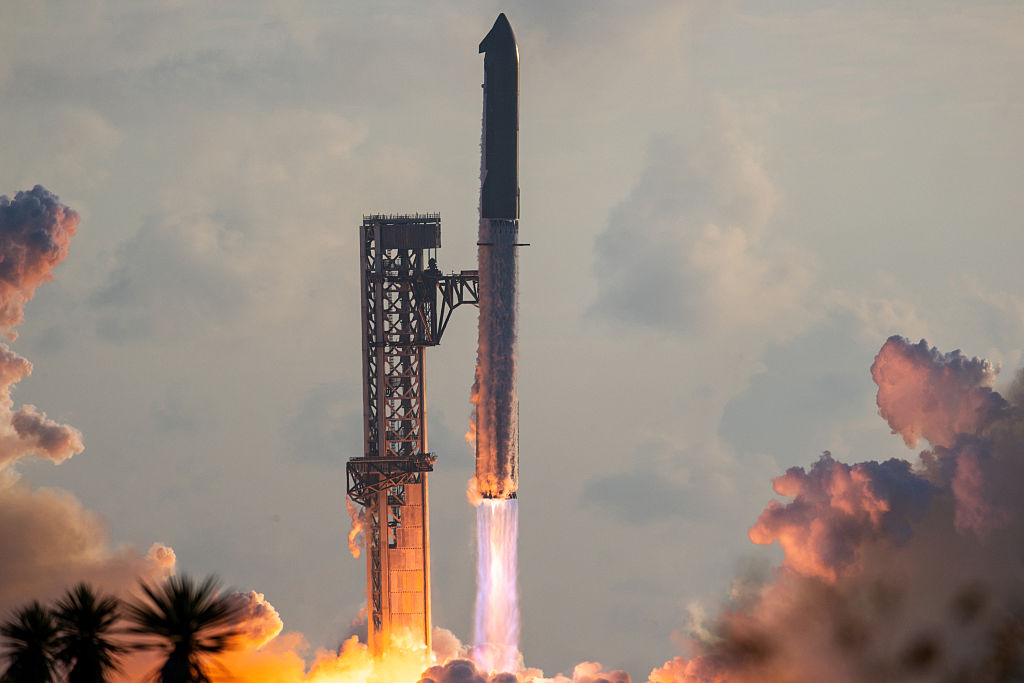
Simultaneously, private market valuations for SpaceX underwent a sharp recalibration. Institutional funds holding secondary shares began pricing in higher risk premiums. The capital-intensive nature of scaling the Starship orbital infrastructure, coupled with questions surrounding the long-term capital expenditure requirements of the Starlink satellite constellation, forced a rigorous reassessment of private market liquidity and enterprise ROI.
“We are witnessing the end of the era where infinite valuation multiples were granted on the promise of future technological dominance alone,” said a senior portfolio manager at a top-tier global asset management firm, speaking on condition of anonymity. “Institutional capital allocation is returning to fundamentals: cash-flow predictability, regulatory compliance defensibility, and ironclad balance sheets.”
Regulatory Compliance and Political Headwinds

The post-midterm legislative landscape introduced immediate friction points for Musk’s enterprises. With legislative committees poised to intensify oversight on autonomous vehicle deployment, workplace safety standards, and federal contracting dependencies, compliance costs are projected to escalate significantly.
Tesla’s Full Self-Driving (FSD) regulatory approval timeline remains bogged down by mounting scrutiny from federal safety regulators. Each delay increases the friction required to monetize software-as-a-service models embedded within the vehicle fleet. For SpaceX, reliance on National Aeronautics and Space Administration (NASA) and Department of Defense launch manifests means that any political gridlock or budgetary sequestration directly impacts forward revenue projections.
| Metric / Indicator | Pre-Midterm Baseline | Post-Correction Reality | Financial Impact / Implication |
|---|---|---|---|
| Combined Market Cap Loss | Peak Valuation Era | -$420 Billion Deficit | Severe compression of equity value and collateral base. |
| Tesla (TSLA) Margin Profile | Industry-leading automotive margins | Compressed via price cuts | Lower earnings per share (EPS) visibility. |
| SpaceX Capital Expenditure | Aggressive R&D scaling | Constrained secondary liquidity | Higher cost of capital for Starship/Starlink. |
| Institutional Risk Premium | Low-cost debt and equity | Elevated hurdle rates | Stricter corporate governance and capital allocation discipline. |
Industry and Market Implications
The ripple effects of this $420 billion correction extend far beyond Musk’s immediate corporate umbrella. Venture capital firms, hedge funds, and sovereign wealth funds are actively re-evaluating exposure to high-beta technology assets. The valuation models that justified astronomical pricing for disruptive tech firms are being systematically stress-tested against higher risk-free rates.
For competitors in the electric vehicle sector—ranging from legacy automotive giants in Detroit and Stuttgart to pure-play EV startups—the capital flight represents a double-edged sword. While validation of EV market headwinds cools overall sector enthusiasm, it also forces industry-wide rationalization. Weaker competitors lacking robust balance sheets face existential threats as access to cheap venture funding and high-valuation equity financing evaporates.
Meanwhile, the aerospace and defense sectors are closely monitoring SpaceX’s capital structure. As commercial satellite operators and defense contractors navigate tightening budgets, the pricing power that SpaceX previously enjoyed with reusable rocket launches is coming under microscopic examination by procurement officers seeking cost efficiencies.
Frequently Asked Questions (People Also Ask)
What directly triggered the $420 billion valuation drop for Tesla and SpaceX?
The drop was triggered by a combination of post-midterm political shifts in Washington, heightened regulatory scrutiny on autonomous technology and government contracts, persistent macroeconomic interest rate pressures, and a broader institutional flight from high-multiple growth equities toward defensive, cash-generating assets.
How are Tesla's operating margins affected by current market conditions?
Tesla has experienced notable margin compression resulting from aggressive global price reductions aimed at maintaining volume amid rising competition from traditional automotive manufacturers and international EV brands, compounded by inflationary cost pressures on core material inputs.
What are the implications of this correction for SpaceX's private valuation and funding?
Institutional investors in private secondary markets are demanding higher risk premiums and stricter capital efficiency. This impacts SpaceX's ability to raise capital at historical valuations while funding ambitious, capital-intensive infrastructure projects like the Starship program and global Starlink expansion.
How does this market adjustment influence broader institutional capital allocation?
Asset managers are moving away from speculative growth models based on future projections. Capital allocation is increasingly governed by strict risk mitigation, proven enterprise ROI, predictable cash flows, and defensible regulatory compliance frameworks.
Future Outlook and Key Milestones to Watch
As financial markets digest the full weight of this $420 billion correction, executive leadership across Tesla and SpaceX faces a pivotal strategic transition. The upcoming quarters will test management’s ability to defend operating margins, streamline supply chain efficiencies, and navigate complex regulatory environments without relying on expansive valuation multiples.
Key milestones for market observers to monitor include upcoming quarterly earnings reports detailing unit delivery costs and automotive gross margins, updates on federal regulatory rulings regarding autonomous driving frameworks, and private funding rounds or secondary market transactions pricing SpaceX's ongoing capital expenditure requirements. Only by demonstrating sustained operational resilience and disciplined capital allocation will these corporate flagships rebuild institutional confidence and stabilize their long-term equity trajectories.