
AI Convergence or Cold War? Global Experts at Landmark Summit Demand Inclusive Governance Framework
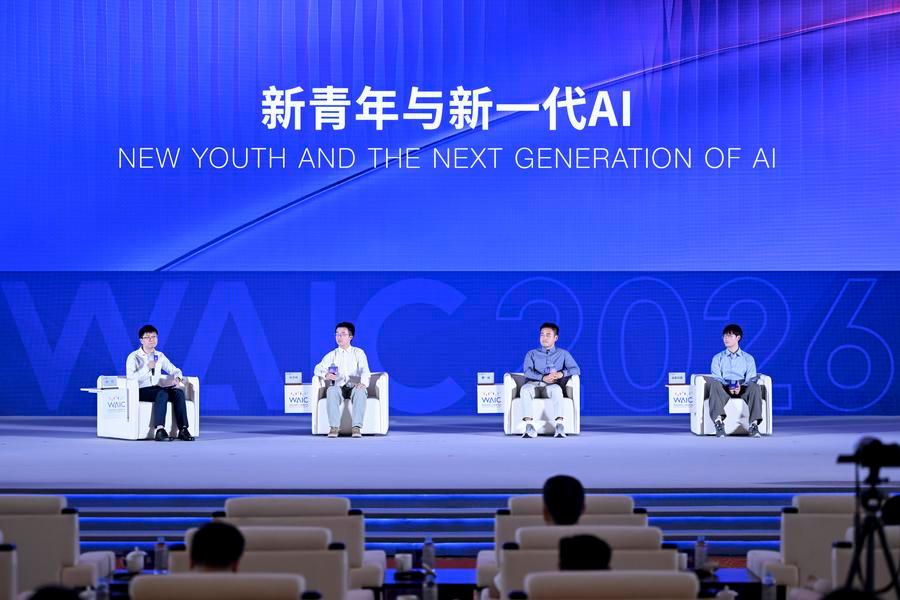
SHANGHAI/NEW YORK — As artificial intelligence hurtles past critical capability milestones, leading technologists, policymakers, and economists gathered at the world's premier artificial intelligence conference to issue a stark warning: the future of humanity cannot be dictated by a select few Silicon Valley giants or isolated nation-states. Instead, international experts have hailed the summit as an indispensable catalyst for inclusive global cooperation, setting a new tone for cross-border AI governance.
The high-stakes gathering, which concluded its primary plenary sessions this weekend, drew thousands of delegates from over 50 countries. Against a backdrop of rapid technological disruption and escalating geopolitical tech-competitions, the core message resonating from the conference floor was absolute: AI development must pivot from fragmented nationalism toward unified, equitable global stewardship.
The Shift Toward Multilateral AI Governance
For the past three years, the global AI landscape has been defined by fierce competition, characterized by massive capital expenditures, proprietary model hoarding, and regulatory fragmentation. However, discussions at the summit signaled a tectonic shift. Analysts and senior diplomats alike emphasized that frontier models—capable of transforming healthcare, energy grids, and financial markets—pose systemic risks that respect no borders.
“We are no longer debating whether artificial intelligence will reshape civilization; we are negotiating who gets to write the rules,” said a senior multilateral trade advisor speaking on the sidelines of the conference. “If AI remains the exclusive playground of a hyper-wealthy duopoly between a few Western corporations and select eastern hubs, the global economic divide will become unbridgeable.”
Experts pointed out that developing nations risk being reduced to mere consumers of algorithmic outputs rather than architects of their own technological destinies. The summit served as a critical platform to bridge this widening chasm, uniting voices from the Global South with traditional tech superpowers to demand open-source collaboration, shared compute resources, and democratized access to machine learning breakthroughs.
Key Takeaways from the Global Summit
- Equitable Compute Access: Delegates heavily debated frameworks to ensure developing nations gain access to high-performance computing infrastructure necessary for training indigenous AI models.
- Open-Source vs. Proprietary Models: Industry leaders clashed over safety protocols, with a growing consensus emerging that transparent, open-source AI is vital for academic research and regulatory oversight.
- Standardized Safety Baselines: Global regulators urged the establishment of universally accepted benchmarks for algorithmic safety, mitigating risks associated with automated warfare, misinformation, and workforce displacement.
- Cross-Border Talent Mobility: Executives highlighted the urgent need to ease visa restrictions for top-tier engineering talent, warning that talent nationalism stifles global innovation.
Economic Implications: Growth vs. Inequality
From an economic standpoint, the stakes could not be higher. Financial institutions estimate that generative AI could inject up to $15.7 trillion into the global economy by 2030. Yet, without proactive policy intervention, this wealth is projected to concentrate sharply within tech-centric urban centers, leaving manufacturing-heavy and agrarian economies behind.
The conference underscored the necessity of integrating AI literacy into global labor policies. Chief economists from leading investment firms noted that international supply chains are undergoing their most radical restructuring since the industrial revolution, driven entirely by automation and smart-logistics integration.
| Metric / Focus Area | Current Status (2026) | Projected Target (2030) | Primary Bottleneck |
|---|---|---|---|
| Global AI Economic Impact | ~$6.5 Trillion | ~$15.7 Trillion | Energy constraints & chip shortages |
| Global South Compute Share | Less than 12% | Targeting 35%+ | Capital allocation & export controls |
| Multilateral Treaties Signed | 4 Frameworks | 15+ Binding Accords | Geopolitical mistrust |
| Open-Source Adoption Rate | 42% of enterprise | 65% of enterprise | Proprietary IP protection laws |
The Road Ahead: Challenges and Collaboration
Despite the optimistic rhetoric surrounding international cooperation, significant roadblocks remain. Deep-seated mistrust between major superpowers threatens to derail multilateral treaties. Export controls on advanced semiconductors and specialized hardware continue to act as a geopolitical wedge, forcing nations to duplicate research efforts rather than pool intellectual capital.
Nevertheless, the resounding success of the conference in bringing hostile and competing factions to the negotiating table has injected a renewed sense of cautious optimism into the global tech ecosystem. As delegates packed their bags and returned to their respective capitals, the mandate was clear: cooperation is no longer a diplomatic luxury—it is an existential prerequisite for the survival of a stable global digital economy.
Frequently Asked Questions
Why is this year's global AI conference considered a turning point for international cooperation?
Unlike previous summits dominated by corporate marketing and competitive posturing, this year's conference successfully unified delegates from over 50 countries around concrete frameworks for open-source sharing, equitable compute access, and cross-border safety standards.
What are the primary economic risks of failing to establish inclusive AI governance?
Failure to include developing nations in AI development risks severe global economic stratification, widening the wealth gap, entrenching technological monopolies, and triggering destabilizing labor displacement across traditional industries in the Global South.