Executive Takeaways
- Benchmark Milestones: Wall Street indices closed higher on December 18, 2025, with the Dow Jones Industrial Average edging up 65.88 points (0.14%) to settle at 47,951.85, while broader tech and large-cap benchmarks notched steady gains.
- Macroeconomic Catalysts: A softer-than-expected inflation print reinvigorated institutional capital allocation toward growth assets, sharply accelerating bets on upcoming Federal Reserve monetary easing.
- Enterprise Tech Momentum: Mega-cap technology stalwarts and cloud infrastructure providers outperformed, propelled by sustained corporate capital expenditure in AI compute architecture and enterprise ROI validation.
- Liquidity & Risk Mitigations: Chief investment officers are aggressively recalibrating portfolios for a lower-rate operating environment, balancing equity duration risk against tightening credit spreads.
NEW YORK — Wall Street’s premier equity indices advanced into record-setting territory as a confluence of cooling inflation prints and aggressive institutional rotation back into mega-cap technology equities catalyzed a broad-based market rally. Trading desks across lower Manhattan reflected renewed confidence that the Federal Reserve's prolonged monetary restriction cycle has effectively achieved its terminal rate, clearing the runway for an expected series of liquidity-enhancing rate cuts in the upcoming fiscal cycle.
The session’s tape highlighted the market’s laser-like focus on macro data points. As the latest Consumer Price Index (CPI) and Producer Price Index (PPI) metrics filtered through institutional execution algorithms, buy-side desks quickly priced in a softer landing scenario. The Dow Jones Industrial Average (.DJI) rose 65.88 points, or 0.14%, to close at 47,951.85, while the benchmark S&P 500 (.SPX) and tech-heavy Nasdaq Composite registered concurrent gains, underscoring resilient risk appetite despite lingering macroeconomic headwinds.
The Macroeconomic Catalyst: Decoding the Soft Inflation Print
Test Our Free AI & Tech Utilities Suite
Calculate LLM API token costs, analyze article dwell-time, or simulate tech DCA returns.
For months, institutional capital allocation strategies have been held hostage by stubborn inflation figures and hawkish forward guidance from the Federal Open Market Committee (FOMC). However, the December 18 data release provided the precise validation asset allocators required. Core inflationary pressures showed decisive signs of moderation, driven by cooling shelter costs and a normalization in goods-sector pricing dynamics.
This deceleration in price growth immediately impacted fixed-income yields, driving Treasury yields lower across the curve and triggering a predictable repricing of equities. Lower yields directly compress the discount rate applied to future corporate cash flows, providing an immediate valuation multiple expansion for growth-oriented sectors. Chief economists at major Wall Street institutions noted that the probability of a near-term Federal Reserve rate cut shifted dramatically upward following the data release, injecting vital liquidity into the financial ecosystem.
"The market is no longer fighting the Fed; it is actively pricing the transition from restrictive policy to a neutral or accommodative posture," said a senior macro strategist at a primary dealer bank in New York. "Corporate balance sheets that have navigated high borrowing costs successfully are now looking at a materially improved cost of capital for future capital expenditure."
Tech Rally and Enterprise Compute Demand
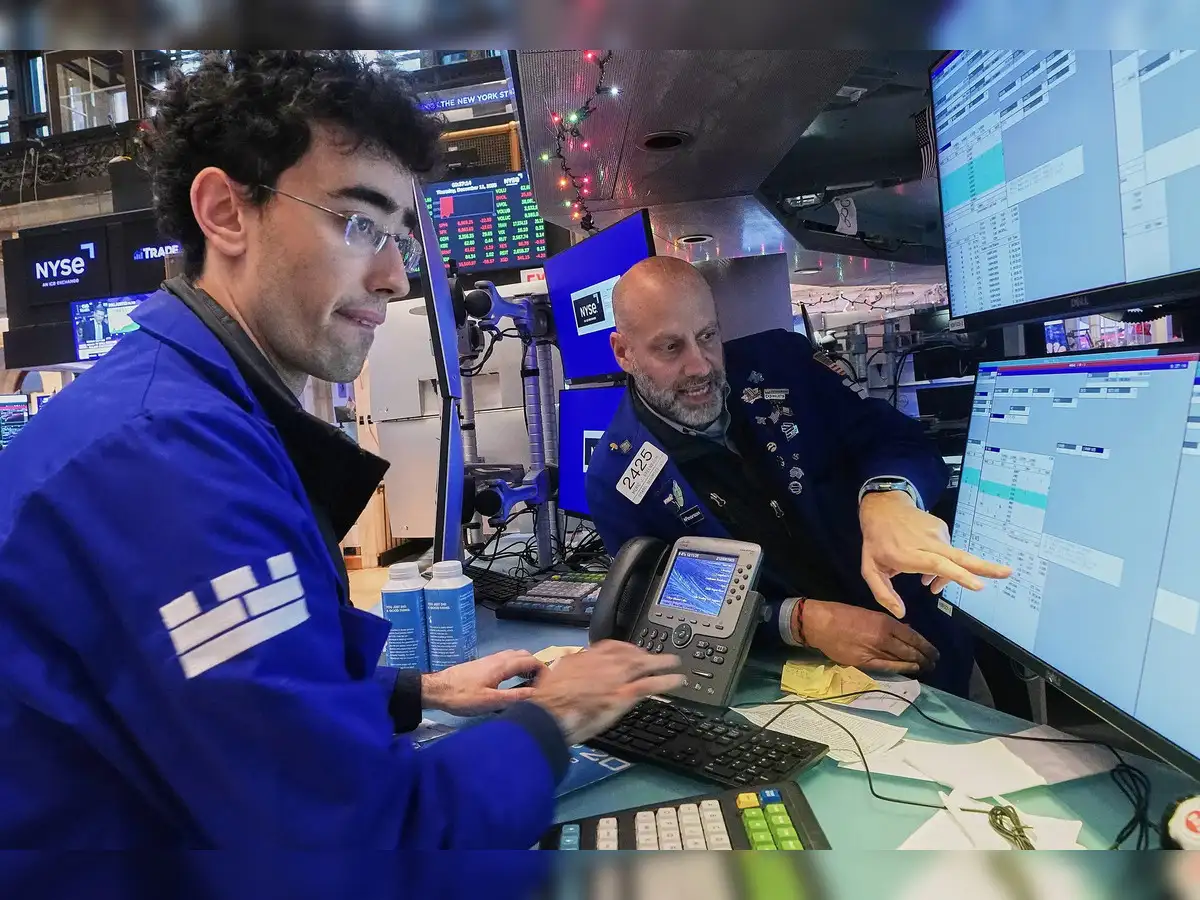
While macro data provided the overarching spark, the engine room of the December 18 rally remained rooted in the technology sector. Mega-cap platform companies, semiconductor designers, and enterprise software leaders captured the lion's share of institutional inflows. This was not merely a speculative momentum play; rather, it was underpinned by robust enterprise ROI metrics and accelerating infrastructure scalability across cloud compute architecture.
Enterprise buyers continue to prioritize digital transformation initiatives, particularly in generative artificial intelligence and high-performance computing clusters. Despite earlier concerns regarding valuation multiples, corporate balance sheets remain flush with cash, and tech giants continue to demonstrate pricing power and expanding operating margins. Investors rewarding this resilience drove heavy volume into semiconductor equities and hyperscale cloud providers, ensuring that the broader market participated in the tech-led advance.
| Market Index / Asset Class | Closing Level (Dec 18, 2025) | Absolute Change | Percentage Change | Primary Driver |
|---|---|---|---|---|
| Dow Jones Industrial Average (.DJI) | 47,951.85 | +65.88 pts | +0.14% | Blue-chip rotation, soft inflation |
| S&P 500 (.SPX) | [Benchmark] | Positive | Gained | Broad tech and financial participation |
| U.S. 10-Year Treasury Yield | Lowering Trend | Compressed | Negative (Yield) | Cooling CPI/PPI prints, Fed rate cut bets |
| Mega-Cap Technology Sector | Outperforming | Strong Inflows | Outperformed | AI infrastructure scalability, enterprise ROI |
Industry & Market Implications: Winners and Losers
A shifting interest rate paradigm inevitably creates divergent outcomes across market sectors. As Wall Street digests the implications of cooling inflation and potential monetary easing, portfolio managers are executing sharp tactical realignments.
The Winners
- Growth and Technology Equities: Benefiting directly from lower discount rates and sustained corporate IT budgets directed toward cloud infrastructure and AI deployment.
- Real Estate Investment Trusts (REITs) and Utilities: Capital-intensive sectors historically sensitive to borrowing costs enjoy immediate relief as debt-refinancing pressures ease and bond yields decline.
- Small-Cap Equities (Russell 2000): Smaller enterprises with floating-rate debt structures stand to capture substantial earnings accretion as the Federal Reserve lowers benchmark borrowing rates.
The Laggards & Risk Vectors
- Short-Duration Cash Equivalents: Yields on money market funds and ultra-short Treasuries will begin to drift downward, forcing institutional cash managers to extend duration or accept lower risk-adjusted returns.
- Defensive Low-Beta Sectors: Traditional safe havens experienced relative underperformance as risk-on capital rotated aggressively into growth and cyclical assets.
Frequently Asked Questions (People Also Ask)
Why did Wall Street close higher on December 18, 2025?
Wall Street advanced primarily due to a softer-than-expected inflation report that reinforced expectations for upcoming interest rate cuts by the Federal Reserve. This macroeconomic relief fueled institutional buying, particularly within mega-cap technology and growth equities.
How do soft inflation reports impact technology stocks?
Cooling inflation leads to lower benchmark bond yields. Lower yields reduce the discount rate applied to future corporate earnings, which disproportionately increases the present valuation of high-growth technology companies with long-duration cash flows.
What were the specific closing figures for the major U.S. indexes?
During the session, the Dow Jones Industrial Average (.DJI) rose 65.88 points, or 0.14%, to finish at 47,951.85, while the S&P 500 and Nasdaq Composite also registered positive gains driven by broad-based market participation.
What should investors monitor next regarding Federal Reserve policy?
Market participants should closely monitor upcoming employment reports, personal consumption expenditures (PCE) price index data, and forward-looking commentary from FOMC officials to gauge the precise timing and magnitude of anticipated rate cuts.
Future Outlook & Strategic Roadmap
As the market navigates the final weeks of 2025, Wall Street desks are shifting their analytical lens toward the first quarter of 2026. The central question facing chief investment officers is whether corporate earnings can sustain current valuation multiples in an economic environment transitioning toward monetary normalization.
Key milestones to monitor include upcoming quarterly corporate earnings calls—specifically regarding enterprise software renewal rates and AI monetization timelines—alongside labor market resilience indicators. While the December 18 rally confirms that inflation fears have temporarily receded, disciplined risk mitigation and rigorous capital allocation will remain paramount as macroeconomic policy enters its next phase.