Executive Takeaways
- Endogenous Retroviral Insertion: Molecular biologists have identified a historical viral integration event unique to the chimpanzee lineage that systematically silences a critical regulatory gene.
- The Human Divergence: Because this paleoviral sequence is absent in the modern human genome, the targeted gene remains fully active, driving profound metabolic, neurological, and immunological differences.
- Capital Allocation and Biotech R&D: Genomic sequencing enterprises and venture capital firms are aggressively pivoting toward targeted transcriptional silencing and viral-insert modeling to de-risk therapeutic pipelines.
- Valuation Multiples and Market Liquidity: Precision genome-editing startups capitalizing on evolutionary biology insights are commanding premium enterprise valuations amid tightening regulatory compliance standards.
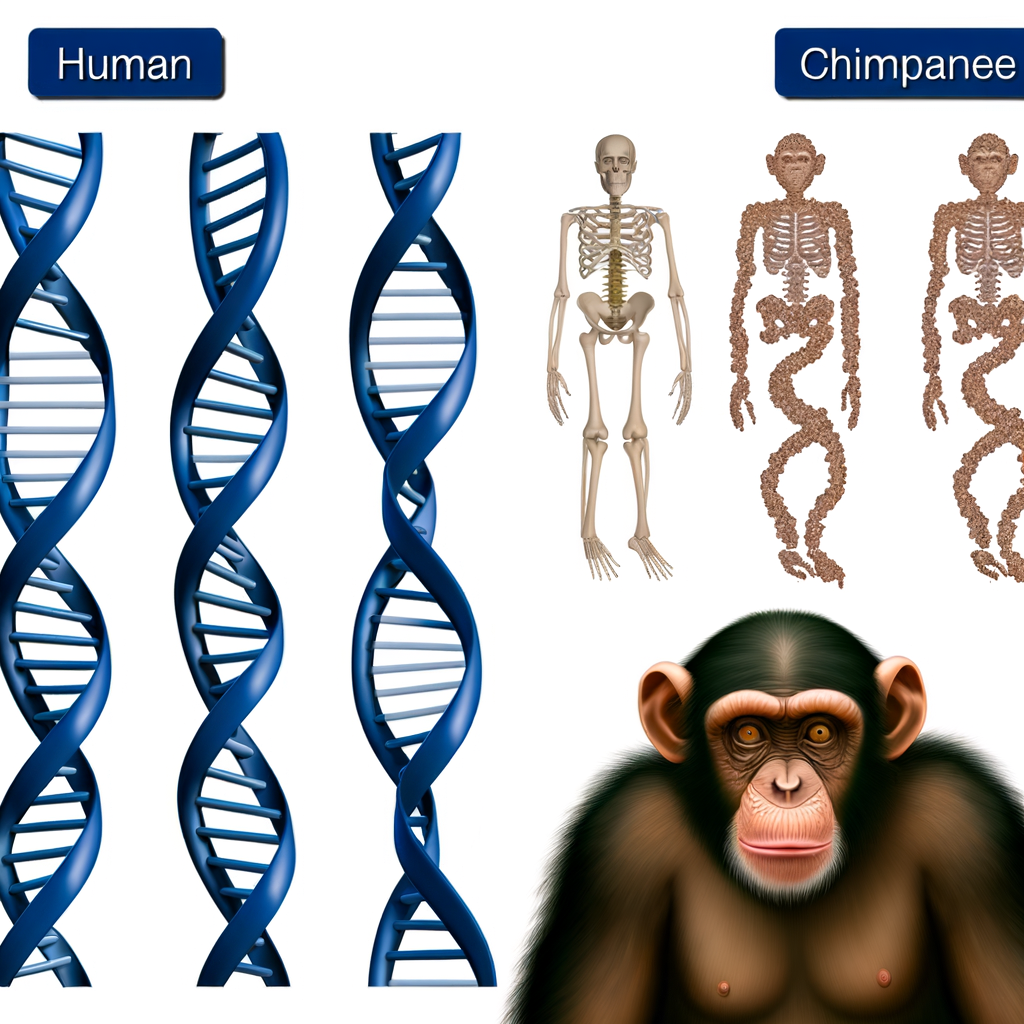
LONDON, NEW YORK, & TOKYO — In the fast-evolving arena of paleogenomics and molecular evolution, a groundbreaking discovery has sent ripples across elite research laboratories, venture capital boardrooms, and pharmaceutical conglomerates alike. Researchers mapping structural variations between hominid genomes have isolated a startling genetic divergence: an ancient, fossilized virus embedded deep within chimpanzee DNA acts as a molecular off-switch, permanently silencing a gene that remains robustly active in human beings.
This revelation transcends academic curiosity. As financial analysts parse the intersection of life sciences, enterprise ROI, and translational medicine, understanding why our closest evolutionary relatives lack the functional expression of this specific gene provides a crucial blueprint for modern drug discovery. By examining how prehistoric pathogens hijacked host transcriptional machinery, biotechnology executives are unlocking novel paradigms for risk mitigation, intellectual property acquisition, and infrastructure scalability in gene therapy.
The Catalytic Event: When Paleovirology Meets Primate Evolution
To comprehend the magnitude of this discovery, one must look backward millions of years to an era when ancient retroviruses—termed Endogenous Retroviruses, or ERVs—infiltrated the germline cells of ancestral primates. While the vast majority of these viral relics accumulated destructive mutations over millennia, rendering them inert genomic "fossils," rare insertion events successfully integrated into functional regulatory regions.
In the specific lineage leading to modern chimpanzees (Pan troglodytes), a retroviral sequence inserted itself directly upstream of a vital regulatory locus. Rather than serving as an inert passenger, this integrated viral element co-opted local transcription factors, deploying epigenetic locks—such as DNA methylation and histone deacetylation—that effectively extinguished the gene's expression. Conversely, the human ancestral lineage (Homo sapiens) experienced an evolutionary bifurcation, dodging or deleting this precise insertion footprint. Consequently, human cells continue to transcribe the gene, driving distinct biochemical pathways that govern everything from neural plasticity to cellular metabolism.
For computational biologists analyzing petabytes of genomic data via high-performance cloud compute architecture, this differential expression offers a masterclass in nature's regulatory circuitry. It demonstrates how genomic insertions can act as natural gene-knockout engines, providing evolutionary biologists with a living model of functional genomics without requiring artificial laboratory intervention.
Comparative Genomic Architecture: Humans vs. Chimpanzees

To evaluate the structural and market-moving implications of this retroviral divergence, industry researchers rely on comparative bioinformatics frameworks. The table below outlines the core parameters defining this genetic split and its immediate translational relevance.
| Genomic Parameter | Chimpanzee Genome (Pan troglodytes) | Human Genome (Homo sapiens) | Translational & Market Impact |
|---|---|---|---|
| Retroviral Insertion Status | Present in upstream regulatory promoter region | Absent; clean genomic locus | Informs targeted gene-silencing therapeutics and CRISPR design. |
| Target Gene Expression | Permanently silenced (Epigenetically locked) | Active and dynamically transcribed | Highlights distinct metabolic and neurological phenotype baselines. |
| Epigenetic Mechanism | Viral long terminal repeats (LTRs) driving methylation | Standard open chromatin conformation | Guides epigenetic drug development (e.g., HDAC and DNMT inhibitors). |
| Commercial Valuation Focus | Comparative primate model validation | Human clinical trial optimization | Drives high-value IP portfolios for genomic sequencing firms. |
Industry & Market Implications: Capital Allocation in Biotech
In the boardrooms of top-tier pharmaceutical enterprises, discoveries of this caliber instantly influence capital allocation strategies and M&A pipelines. As institutional investors demand rigorous risk mitigation in early-stage biotech portfolios, understanding primate-specific retroviral insertions provides a critical filter for translational research.
Who Wins: Genomic sequencing companies equipped with advanced cloud compute architecture and AI-driven variant-calling algorithms are major beneficiaries. Firms specializing in epigenetic modulation—specifically those developing therapies to turn disease-causing genes "off" by mimicking natural retroviral silencing—are commanding premium valuation multiples. Venture capital syndicates focusing on synthetic biology and transposable element research are aggressively deploying capital into startups that harness endogenous viral sequences as targeted gene regulators.
Who Loses: Legacy drug discovery models that rely solely on rodent models without accounting for lineage-specific retroviral insertions face mounting friction. Animal models that fail to replicate human-specific gene activity profiles frequently experience high clinical trial attrition rates. Consequently, pharmaceutical pipelines dependent on outdated preclinical testing frameworks are seeing capital reallocated toward humanized cellular assays and primate comparative genomics.
Furthermore, regulatory compliance landscapes governed by agencies such as the FDA and EMA are adapting to these insights. Submissions for gene-editing therapeutics must increasingly demonstrate comprehensive mapping of off-target retroviral interactions, ensuring that artificial vector designs do not inadvertently trigger the catastrophic epigenetic silencing observed in our evolutionary cousins.
Frequently Asked Questions (People Also Ask)
What exactly is an endogenous retrovirus (ERV)?
Endogenous retroviruses are remnants of ancient viral infections that integrated their genetic material into the germ cells (sperm or egg) of ancient hosts. Over millions of years, these sequences were inherited vertically through generations, eventually comprising roughly 8% of the human genome and an even larger fraction in other primates.
Why does the silencing of this gene matter for human health?
When an evolutionary insertion turns off a gene in one species while leaving it active in another, it highlights a functional lever of evolution. Studying how this ancient virus silenced the gene in chimpanzees gives scientists a blueprint for how to safely suppress overactive human genes responsible for specific genetic disorders, cancers, and autoimmune conditions.
How do researchers detect these ancient viral insertions?
Researchers utilize high-throughput next-generation sequencing (NGS) combined with advanced bioinformatics pipelines running on robust cloud compute infrastructure. By aligning human and chimpanzee genomes at high resolution, algorithms instantly flag structural discrepancies, such as viral long terminal repeats (LTRs) present in one lineage and absent in the other.
What are the commercial and financial implications for the biotech sector?
The discovery directly impacts valuation multiples for precision gene-editing and epigenetics startups. By decoding natural gene-silencing mechanisms, firms can design more precise therapeutic vectors, reducing clinical trial attrition, optimizing R&D capital allocation, and securing lucrative intellectual property portfolios.
Future Outlook: Milestones to Watch in Genomic Evolution
As the life sciences sector integrates paleovirology with cutting-edge therapeutic design, several critical milestones will dictate market leadership over the next 24 to 36 months:
- Translational Epigenetics: Expect major pharmaceutical firms to launch Phase I and Phase II clinical trials utilizing engineered retroviral elements to silence hyperactive oncogenes and metabolic pathways.
- Bioinformatics Expansion: Investment in cloud compute architecture capable of processing multi-species primate pangenomes will accelerate, driving market liquidity for specialized AI-driven genomics platforms.
- Regulatory Framework Evolution: Regulatory bodies will likely issue updated guidance regarding the safety assessment of viral vector designs, tightening compliance standards for gene therapy developers.
Ultimately, the realization that an ancient viral hitchhiker helped sculpt the functional divide between humans and chimpanzees underscores the intricate, unpredictable nature of evolutionary biology. For enterprise leaders, Wall Street analysts, and biotech pioneers, decoding these prehistoric genomic events is no longer merely academic—it is the bedrock of next-generation therapeutic innovation.