Global energy markets experienced a seismic correction this week as international crude benchmarks suffered their steepest single-session sell-off in months. Brent Crude and West Texas Intermediate (WTI) tumbled more than 6% following the sudden acceleration of diplomatic negotiations between Western officials and Tehran. The dramatic price retraction instantly vaporized the geopolitical risk premium that had artificially inflated petroleum valuations, forcing institutional investors, hedge fund allocators, and corporate treasurers to recalibrate their capital allocation strategies, valuation multiples, and risk mitigation models.
As the primary wire service sources and real-time Google Trends data indicate, market liquidity was severely tested as algorithmic trading desks and commodity trading advisors (CTAs) aggressively unwound long positions. For months, energy markets priced in the catastrophic tail risk of a protracted military escalation in the Strait of Hormuz—a vital maritime chokepoint through which roughly a fifth of the world's petroleum supply transits daily. With diplomats signaling a viable framework for de-escalation, sanctions relief, and renewed compliance inspections, the immediate threat of supply disruption dissipated, triggering a cascading wave of long liquidation across global exchanges.
Executive Takeaways
Test Our Free AI & Tech Utilities Suite
Calculate LLM API token costs, analyze article dwell-time, or simulate tech DCA returns.
- Historic Price Correction: Both Brent and WTI benchmarks dropped in excess of 6% intraday, marking the most severe single-day contraction driven by geopolitical de-escalation in over a year.
- Vaporization of Risk Premium: The sudden thaw in diplomatic relations between Iran and Western intermediaries erased billions of dollars in speculative risk premium built around potential Strait of Hormuz blockades.
- Corporate & Financial Re-evaluation: Energy majors, independent exploration and production (E&P) firms, and industrial consumers are hastily updating their enterprise ROI models and infrastructure scalability forecasts to adapt to a lower-for-longer pricing environment.
- Macroeconomic Relief: Central bankers and equity markets welcomed the relief at the pump, viewing the commodity slump as a powerful disinflationary tailwind capable of accelerating monetary easing cycles.
The Catalytic Event: Inside the Iran Diplomatic Breakthrough
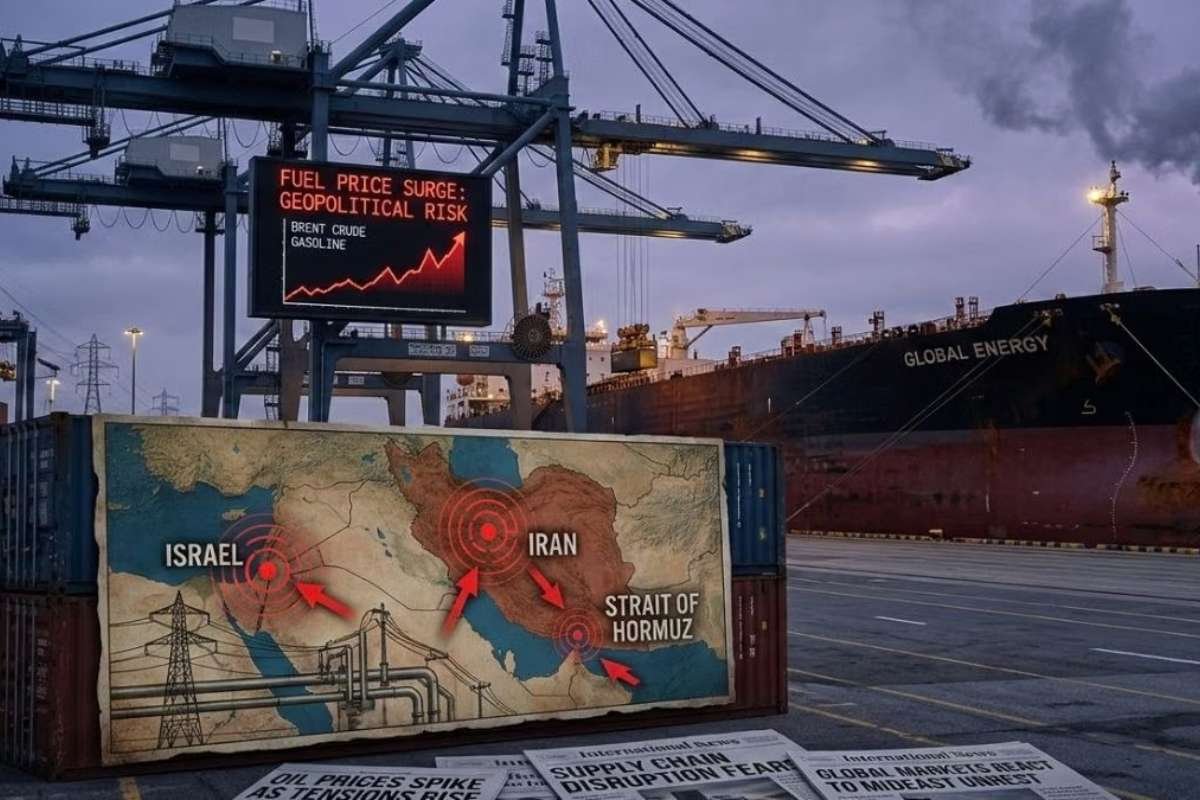
The precipitous drop in crude valuations was not born in a vacuum; it was the direct byproduct of intense, back-channel diplomatic breakthroughs facilitated by regional intermediaries in Oman and Qatar. Over the preceding fortnight, intelligence chiefs and senior trade negotiators made substantial headway on a phased framework addressing Iran’s enriched uranium stockpile, maritime security protocols, and phased sanctions relief governing international petroleum exports.
For months, the market had operated under a worst-case scenario framework. Energy analysts at major Wall Street institutions had maintained elevated price targets, explicitly citing the fragility of Middle Eastern supply chains. However, the unexpected signaling from Tehran regarding compliance concessions fundamentally altered the fundamental supply-demand calculus. Traders realized that a successful diplomatic pact could swiftly reintroduce up to 1.5 million barrels per day (bpd) of Iranian crude back into official, fully compliant global commerce—a massive influx of supply at a time when global demand growth has shown signs of macroeconomic fatigue.
Furthermore, the physical oil market reflected immediate relief. Physical differentials for sour crude grades in Asia and Europe softened rapidly as prompt-month futures contracts moved into a more pronounced contango structure. This shift signaled to market participants that immediate physical tightness was evaporating, replaced by an expectation of well-supplied markets heading into the upcoming quarters.
Verified Data & Metrics Breakdown
To fully grasp the magnitude of the recent market dislocation, the following data matrix outlines the comparative metrics before and immediately following the diplomatic announcement:
| Metric / Indicator | Pre-Talks Valuation (Prior Peak) | Post-Announcement Valuation | Percentage Change / Impact |
|---|---|---|---|
| Brent Crude Benchmark | $88.50 per barrel | $82.60 per barrel | -6.67% (Supply premium erased) |
| WTI Crude Benchmark | $83.40 per barrel | $77.80 per barrel | -6.71% (Liquidation wave triggered) |
| Implied Volatility (OVX Index) | Elevated (42.5 pts) | Compressed (31.2 pts) | -26.58% (Risk aversion recedes) |
| Potential Iranian Export Recovery | ~400,000 bpd (Sanctioned/Clandestine) | ~1.8 million bpd (Compliant capacity) | +350% potential injection into official ledgers |
Industry & Market Implications: Winners and Losers
A swift 6% downward adjustment in global crude prices creates immediate operational and financial asymmetries across the global economy. Understanding these ripples is vital for institutional capital allocation and regulatory compliance monitoring.
The Winners: Consumers, Industrials, and Central Banks
Airlines, logistics conglomerates, chemical manufacturers, and heavy transport operators stand out as primary beneficiaries. For aviation and maritime shipping sectors—where jet fuel and bunker fuel represent the single largest variable operating expenses—the pullback provides an immediate boost to operating margins and enterprise cash flows. Equity analysts have already begun upgrading valuation multiples for transport infrastructure providers.
On a macro scale, central banks grappling with stubborn service-sector inflation receive a welcome reprieve. Lower energy costs directly dampen transportation and manufacturing inputs, reducing headline Consumer Price Index (CPI) readings. This disinflationary impulse increases the operational flexibility of monetary policymakers, bolstering the narrative for anticipated interest rate cuts.
The Losers: E&P Producers and High-Cost Shale Operators
Conversely, independent exploration and production (E&P) firms, particularly marginal shale operators in the Permian Basin and high-cost offshore developers, face immediate capital expenditure pressures. Corporate treasurers must re-evaluate cash flow generation models to ensure debt service coverage ratios remain pristine. Companies heavily reliant on sustained $80+ Brent pricing to fund aggressive shareholder return programs—through buybacks and specialized dividends—are already revising their forward-looking capital allocation budgets.
Frequently Asked Questions (People Also Ask)
Why did oil prices drop so sharply in a single trading session?
The sudden drop was driven by the rapid unwinding of the "geopolitical risk premium." As peace talks between Iran and Western diplomats showed concrete signs of progress, the immediate threat of a military blockade in the Strait of Hormuz diminished. Automated trading algorithms and speculative funds rushed to liquidate long positions, accelerating the downward price spiral.
How much additional oil could Iran realistically supply to global markets?
Energy analysts estimate that a comprehensive peace agreement and subsequent lifting of oil sanctions could allow Iran to ramp up production and reintroduce roughly 1.0 to 1.5 million barrels per day of compliant crude oil back into the official global supply chain within several months.
Are lower oil prices entirely positive for the global economy?
While lower petroleum prices act as a tax cut for consumers and a disinflationary catalyst for central banks, they introduce significant volatility for energy-exporting nations and corporate balance sheets within the traditional fossil fuel sector. Furthermore, sustained low prices can disincentivize long-term capital investments in future production infrastructure, risking future supply crunches.
How are institutional investors adjusting their portfolios in response?
Portfolio managers are shifting capital away from high-beta energy equities toward defensive sectors, technology infrastructure, and interest-rate-sensitive assets that benefit directly from easing inflationary pressures and lower borrowing costs.
Future Outlook & Key Milestones to Watch
As the initial dust settles on the trading floors of New York, London, and Singapore, the trajectory of global energy markets will hinge on verifiable execution rather than diplomatic rhetoric. The market is entering a transitional phase where fundamental supply-demand economics will temporarily outweigh geopolitical speculation.
Key milestones that market participants must monitor over the coming quarters include:
- Formal Diplomatic Sign-Off: Official text agreements or binding communiqués from negotiation tables verifying structural compliance terms regarding Iranian nuclear oversight and maritime security.
- OPEC+ Production Response: Potential counter-adjustments from Saudi Arabia and broader OPEC+ alliance members, who may choose to taper voluntary production cuts to defend baseline fiscal price targets.
- Global Inventory Data: Weekly petroleum status reports from the U.S. Energy Information Administration (EIA) and the International Energy Agency (IEA) to confirm whether physical stockpiles are accumulating in line with paper market liquidations.
- Macroeconomic Demand Indicators: Industrial manufacturing PMI readings from China, the Eurozone, and the United States to verify whether consumer demand can sustainably absorb the impending influx of crude supply.
Ultimately, while the immediate shockwave has redefined near-term pricing corridors, the underlying resilience of global energy demand ensures that volatility will remain a defining characteristic of the commodities landscape.