‘Get In Loser, We’re Buying Spirit’: Inside the Audacious Viral Crusade to Resurrect America’s Budget Airline Using the Green Bay Packers Playbook
A viral social media campaign is attempting to turn Chapter 11-bound Spirit Airlines into a publicly owned, community-funded carrier. Wall Street is laughing—but retail investors are listening.
NEW YORK — It started with a cult-classic movie meme, a bright yellow PowerPoint deck, and a deep-seated frustration with the rising cost of domestic air travel. Today, it has morphed into a viral retail investing movement that is capturing the attention of both TikTok users and bankruptcy lawyers on Wall Street.
“Get in loser, we’re buying Spirit.”
The tongue-in-cheek battle cry, borrowed from the 2004 comedy film Mean Girls, is the centerpiece of a highly unconventional plan proposed by Marcus Koeller, a 29-year-old former airline operational analyst turned retail investing influencer. His goal? To save Spirit Airlines from its spiraling financial woes by converting the ultra-low-cost carrier (ULCC) into the aviation industry’s equivalent of the Green Bay Packers: a community-owned, non-profit-adjacent enterprise funded entirely by its passenger base.
While institutional investors and airline executives view the plan as a logistical and regulatory impossibility, the campaign’s rapid traction highlight a growing trend: retail investors using social media to bypass traditional investment banking channels to intervene in corporate restructurings.
The Green Bay Packers Playbook: How It Works
To understand Koeller’s viral pitch, one must look to Green Bay, Wisconsin. The Packers are unique in American professional sports, owned not by a billionaire mogul or a private equity syndicate, but by more than 537,000 individual shareholders. These shares do not pay dividends, cannot be traded on an exchange, and offer virtually no financial upside other than voting rights on team governance and access to exclusive merchandise.
Koeller’s blueprint proposes replicating this exact model for Spirit Airlines, which has been teetering on the edge of a comprehensive debt restructuring following its failed $3.8 billion merger with JetBlue Airways and persistent Pratt & Whitney engine reliability issues that have grounded a significant portion of its Airbus A320neo fleet.
Under the viral plan, Koeller proposes launching a massive, regulated crowdfunding campaign to raise $1.5 billion from everyday travelers. In exchange for a $250 “Spirit Fan Share,” contributors would receive:
- Voting Rights: Direct input on route selection, baggage fees, and cabin configurations.
- The "Yellow Card": A permanent 10% discount on all Spirit flights and one free carry-on bag per year.
- Board Representation: Three seats on Spirit’s Board of Directors reserved for representatives elected directly by the retail shareholder base.
“If just six million of Spirit’s annual passengers buy a single share, we can pay off the company’s immediate maturing debt and take the airline private under a public trust,” Koeller explained in a video that has amassed over 4.2 million views. “We don’t need Wall Street. We just need the people who fly the yellow planes.”
The Cold, Hard Financial Reality
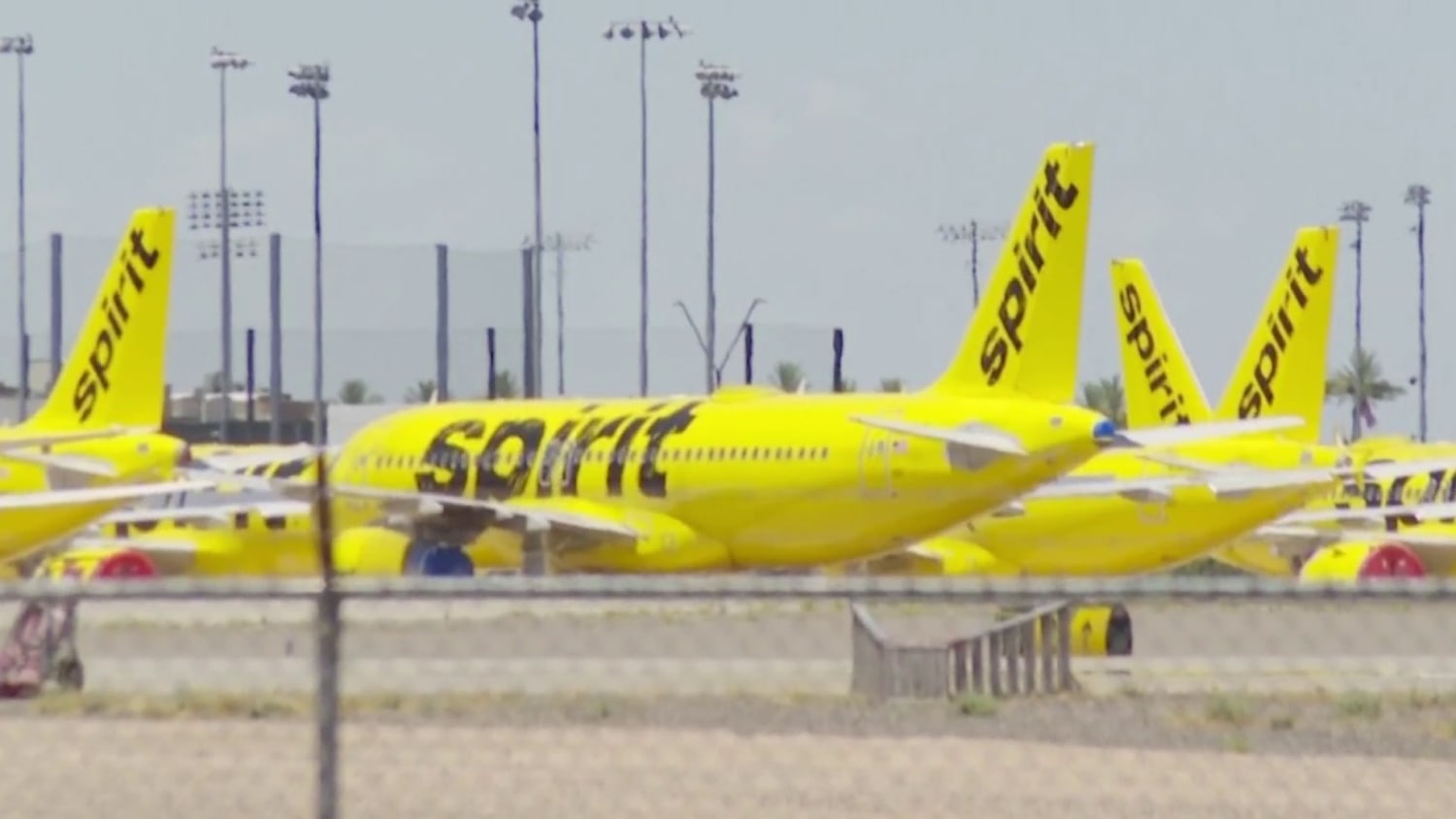
While the romanticism of a passenger-owned airline has captured the public imagination, aviation economists are quick to pour cold water on the strategy. Spirit Airlines is facing a complex web of financial obligations that cannot be solved by a simple crowdfunding campaign.
The airline’s balance sheet is heavily leveraged, with over $1.1 billion in loyalty-program-backed bonds maturing soon, alongside hundreds of millions in lease liabilities. Furthermore, operating an airline is notoriously capital-intensive, characterized by thin margins, volatile fuel costs, and stringent labor contracts.
| Financial Metric / Challenge | Current Status | Strategic Impact |
|---|---|---|
| Total Debt Load | ~$3.2 Billion | Severely limits liquidity and restructuring options. |
| Grounded Aircraft (A320neo) | Over 25 planes grounded | Pratt & Whitney engine issues limiting capacity. |
| Operating Margin | -8.4% (Q1 2026) | Persistent cash burn due to high fuel and labor costs. |
| Regulatory Hurdle | DOT & SEC Compliance | Mass crowdfunding for public utilities requires rigorous vetting. |
“The Green Bay Packers model works because sports teams have a captive, highly localized fan base that does not have to worry about federal regulatory compliance, international safety standards, or multi-billion-dollar fuel hedging contracts,” says Helane Becker, a senior aviation analyst. “A commercial airline cannot be managed by a decentralized committee of TikTok users. The Department of Transportation (DOT) and the Federal Aviation Administration (FAA) require clear, heavily capitalized, and highly experienced ownership structures to maintain an air operator certificate.”
Regulatory and Legal Roadblocks
Even if Koeller’s campaign managed to raise the targeted $1.5 billion, the legal hurdles are immense. Under Securities and Exchange Commission (SEC) guidelines, crowdfunding campaigns are strictly capped unless executed under specific exemptions like Regulation A+ or Regulation D, which carry intense registration and disclosure requirements.
Furthermore, any change in control of a U.S. air carrier requires a "fitness determination" by the DOT. The agency must verify that the purchasing entity is "fit, willing, and able" to conduct operations and is under the actual control of U.S. citizens who possess the necessary managerial expertise. A highly fragmented, meme-driven retail trust would face unprecedented regulatory scrutiny before being allowed to take control of a commercial fleet.
Why the Movement Matters
Despite the skepticism, Wall Street is not entirely ignoring the phenomenon. The "Get in loser" campaign represents a broader, structural shift in how retail investors perceive distressed corporate assets. Following the meme-stock craze of GameStop and AMC, retail traders no longer view bankruptcy as the end of a company, but rather as an opportunity to intervene.
For Spirit Airlines, the viral campaign provides an unexpected public relations boost. It reminds the market that despite its operational struggles, Spirit has a highly passionate, cost-conscious consumer base that values the ultra-low-cost model. Whether this public affection can be converted into viable capital remains to be seen, but for now, the campaign has successfully forced its way into the broader conversation about the future of American aviation.
Frequently Asked Questions
Can a crowd-funded entity legally own a commercial airline in the United States?
Technically, yes, but it is highly improbable. Any entity acquiring a controlling stake in a U.S. airline must undergo a rigorous "fitness review" by the Department of Transportation (DOT). The DOT must be satisfied that the airline's management possesses the operational expertise and financial stability required to run safe, scheduled commercial flights.
What is Spirit Airlines’ current stance on the viral buyout proposal?
Spirit Airlines has declined to comment directly on the social media campaign. The company remains focused on its ongoing discussions with bondholders and creditors regarding its debt restructuring, noting in official filings that it is exploring all strategic alternatives to improve liquidity and protect shareholder value.