Global Debt Shock: Bond Yields Surge to Fresh Highs as Multi-Trillion Dollar Reckoning Hits Governments and Corporate Giants
NEW YORK / LONDON — A brutal sell-off across global sovereign debt markets accelerated today, driving benchmark sovereign bond yields to fresh multi-month highs and tightening the financial vice on heavily indebted governments, corporate titans, and mortgage holders worldwide.
From Capitol Hill to the boardrooms of Frankfurt and Tokyo, finance chiefs are confronting an uncomfortable reality: the anticipated pivot to aggressive central bank rate cuts is rapidly evaporating. Instead, a potent cocktail of relentless sovereign debt issuance, sticky wage and service inflation, and stronger-than-expected economic resilience has revived the "higher-for-longer" interest rate regime with a vengeance.
The global cost of capital is repricing violently. The benchmark U.S. 10-year Treasury note hovered near cycle peaks, dragging European, British, and Asian sovereign counterparts into its slipstream. With more than $3 trillion in corporate debt set to mature globally over the next 24 months, the spike in borrowing costs threatens to transform manageable refinancing operations into costly corporate distress.
The Perfect Storm: Torrential Supply Meets Hawkish Reality
For months, market participants had convinced themselves that cooling headline inflation would prompt central banks to execute synchronized, rapid-fire rate cuts through late 2024 and 2025. That narrative has fractured.
Investors are now demanding a fatter "term premium"—the compensation required to hold longer-dated paper—in exchange for absorbing record supplies of sovereign bonds. The United States Treasury Department alone has flooded primary markets with an unrelenting stream of coupons and bills to finance a fiscal deficit tracking past $1.8 trillion, while European sovereigns ramp up debt auctions to fund industrial subsidies and green-transition outlays.
"Markets are finally recognizing the sheer volume of supply colliding with an investor base that is no longer being backstopped by central bank quantitative easing," said Marcus Vance, Chief Fixed Income Strategist at London-based Global Alpha Partners. "Central banks are running quantitative tightening while treasuries are running wartime-level fiscal deficits. The clearing price for debt simply has to go up."
Executive Summary: Key Drivers of the Yield Spike
- Vanishing Rate Cuts: Traders have aggressively pruned expectations for central bank easing, pushing projected terminal rates higher across the Federal Reserve, the European Central Bank, and the Bank of England.
- Sovereign Supply Gluts: Western treasuries are issuing unprecedented volumes of long-dated paper, overwhelming dealer balance sheets and institutional bid depth.
- Persistent Price Pressures: Sticky core consumer prices, driven by shipping bottlenecks, resilient consumer spending, and energy volatility, prevent monetary authorities from declaring victory.
- Rising Term Premiums: Structural anxieties over long-term fiscal sustainability in major economies are pushing investors away from long-duration assets unless rewarded with higher returns.
Market Snapshot: Benchmark 10-Year Sovereign Yields
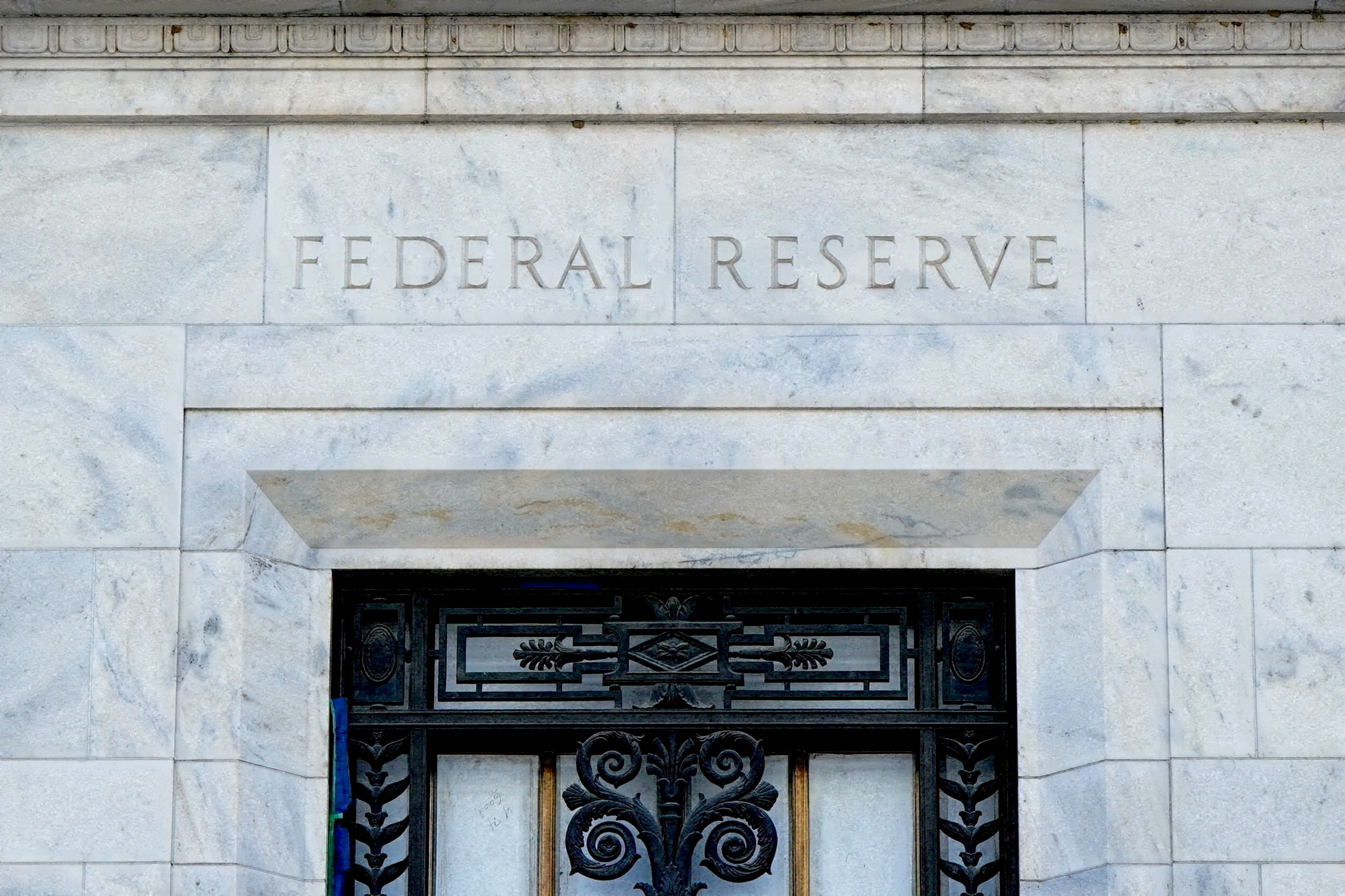
The table below highlights the dramatic repricing across major sovereign bond benchmarks over recent trading sessions:
| Sovereign Benchmark | Current Yield (%) | 1-Month Change (bps) | Market Context / Primary Catalyst |
|---|---|---|---|
| U.S. 10-Year Treasury | 4.68% | +38 bps | Deficit-driven issuance, hawkish Fed pushback |
| German 10-Year Bund | 2.62% | +24 bps | Persistent core inflation across the Eurozone |
| UK 10-Year Gilt | 4.35% | +31 bps | Entrenched wage growth, fiscal headroom concerns |
| Japan 10-Year JGB | 1.08% | +19 bps | Bank of Japan normalization, historic yen defense |
The Great Refinancing Cliff: Who Gets Hurt First?
The implications of this bond rout go far beyond Wall Street trading desks. The immediate fallout will be concentrated in three key segments of the global economy:
1. Commercial Real Estate and Leveraged Debt
Borrowers who secured low, fixed-rate financing during the pandemic era now face an existential reset. Highly leveraged private equity portfolios and real estate developers with floating-rate debt are seeing their interest coverage ratios plunge. Banks, already tightening credit conditions, are demanding more equity injection before rolling over loans, increasing the likelihood of structural defaults and firesales.
2. Low-Grade Corporate Issuers
While cash-rich tech titans remain insulated by sitting on high-yielding cash reserves, mid-cap companies and "junk"-rated borrowers face a wall of debt maturities. Spreads between high-yield credit and sovereign benchmarks have started to widen, signaling that credit rating downgrades will likely accelerate into the fourth quarter.
3. Sovereign Fiscal Capacity
Governments in advanced economies will soon spend more on debt service than on key social programs or national defense. In the United States, net interest outlays are already on track to exceed $1 trillion annually, crowding out discretionary spending and constraining lawmakers' ability to deploy counter-cyclical stimulus should a recession materialize.
Strategic Outlook: A Long Grind Ahead
Few Wall Street analysts anticipate a rapid reversal. Unless a severe credit event breaks the plumbing of the financial system or unemployment spikes unexpectedly, sovereign yields are set to remain elevated throughout the year.
For investors, this shift marks the decisive conclusion of the post-2008 era of free money. Capital now carries a steep hurdle rate. Corporate management teams that built business models around 2% debt must quickly pivot toward cash-flow generation, balance-sheet discipline, and selective capital allocation—or face ruthless market repricing.
Frequently Asked Questions (FAQ)
Why do rising bond yields matter to ordinary consumers?
Government bond yields act as the foundational benchmark for virtually all consumer credit. When sovereign yields rise, banks automatically raise interest rates on 30-year fixed mortgages, auto loans, personal lines of credit, and credit cards. Higher yields also put downward pressure on stock market valuations, directly impacting retirement portfolios and corporate hiring plans.
Could central banks step in to cap bond yields?
Under current conditions, direct market intervention like Yield Curve Control (YCC) or fresh Quantitative Easing (QE) is highly improbable. Central banks are actively fighting inflation; buying bonds to artificially lower yields would inject liquidity into the financial system, reigniting consumer price growth and destroying institutional credibility.